


Grooming essentials for dogs: a guide to everyday tools

What if your dog’s grooming kit worked better with fewer tools? The most useful grooming essentials for dogs are chosen for coat type, comfort and the care you do regularly, not the number of products on the shelf.
If you’ve ever wondered whether your dog needs a slicker brush, a comb or something gentler, you’re not alone. The right choice depends on how your dog’s coat behaves and how they respond to grooming. A small, considered kit can make everyday care simpler and more comfortable for both of you.
This guide explains how to match brushes and combs to your dog’s coat, what to consider in bath-care products, and which other tools may be useful at home. You’ll also find practical ways to introduce tools gently, check they’re in good condition and keep each session manageable. With a little thought and a steady routine, coat care can become a comfortable part of your time together.
Key Takeaways
- Build your grooming essentials for dogs around coat type, comfort and the care you’ll do at home.
- Choose brushes and combs for a clear purpose, considering coat length, texture, density and tendency to tangle.
- Introduce tools gently and check their surfaces for damage before use.
- Keep your routine adaptable, with brushing and suitable bath care fitted to your dog’s needs.
- Keep coat freshening optional, and distinguish everyday home tools from specialist grooming equipment.
Grooming essentials for dogs: what belongs in a home-care kit?
A practical home-care kit is a small set of tools chosen for your dog’s coat, comfort and regular routine. It doesn’t need to cover every grooming task or resemble a salon trolley. Start with what helps you care for your dog at home, then add other items only when they serve a clear purpose.
Coat type is a useful starting point, but your dog’s tolerance matters too. A tool that seems suitable on paper may not feel comfortable in use. Notice whether it moves through the coat easily, and whether your dog stays relaxed. The aim is a considered collection, not a cupboard full of products you rarely reach for.
Which grooming tasks do everyday tools support?
Home grooming brings together several separate tasks. Brushing helps with routine coat maintenance, while a comb can help you check smaller sections and find knots a brush may not reach easily. The right choice depends on coat length, texture and density, as well as how your dog responds to the sensation.
- Brushing and combing: Choose tools to suit the coat and the areas you regularly care for.
- Bathing: Use a shampoo made for dogs. Bathing is a separate part of coat care, not a substitute for brushing.
- Drying: Consider your dog’s comfort and coat when deciding how to dry them after a bath.
- Finishing: Keep any finishing step simple and optional. Some households may include pet fragrance as part of coat freshening.
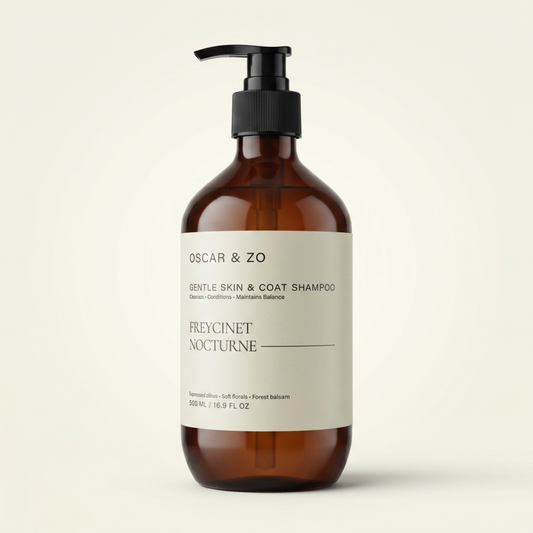
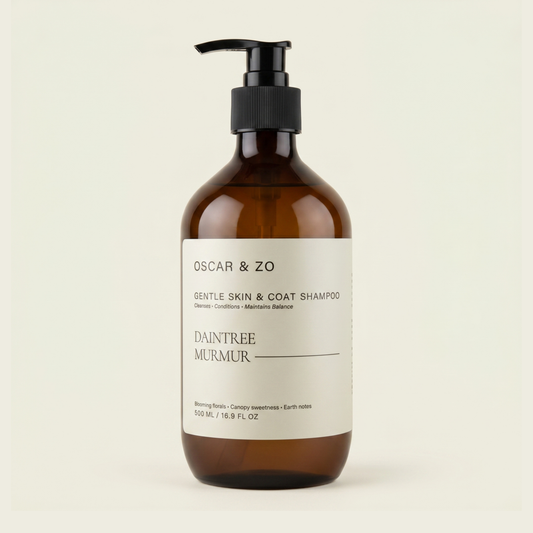
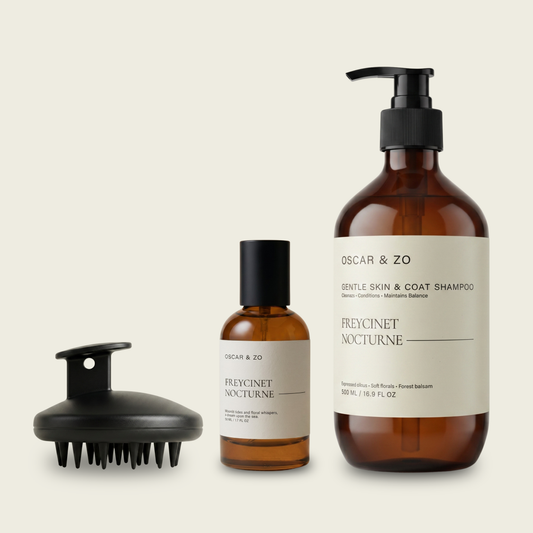
For bath care, Oscar & Zo Skin & Coat Shampoo is vet-recommended and thoughtfully crafted for sensitive skin and coats. It is designed to cleanse without stripping, leaving the coat soft and fresh. It can fit into a considered bathing routine alongside grooming tools chosen for brushing. For broader context on the importance of dog grooming, explore how grooming practices can differ.
Everyday tools versus professional grooming equipment
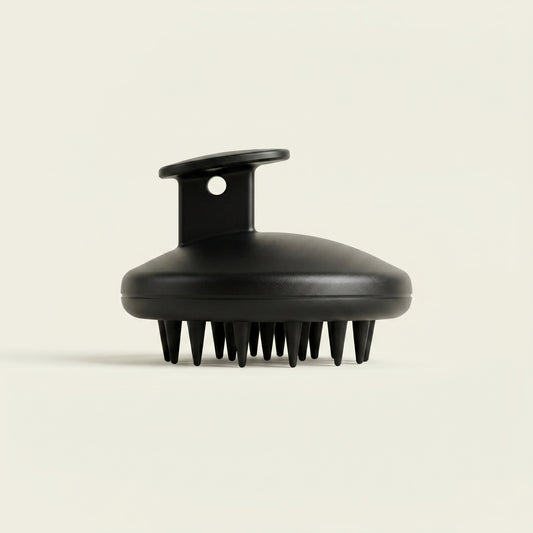
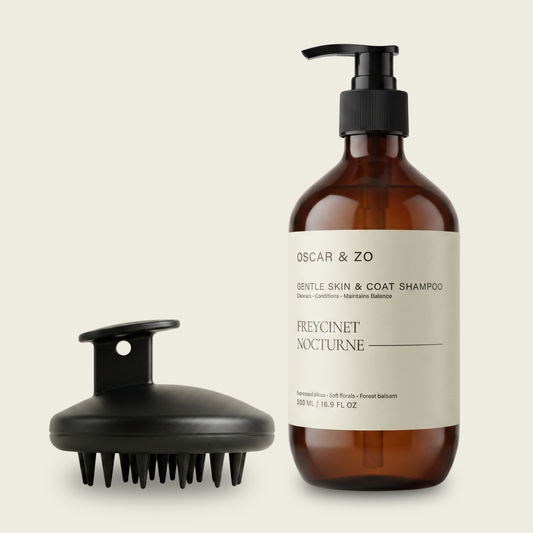
Everyday home tools help with familiar, manageable care between professional appointments. A brush or comb suited to your dog, plus a dog-specific shampoo if bathing is part of your routine, may be enough to start. Oscar & Zo grooming tools are made for everyday coat care at home.
Specialist clippers and salon equipment aren’t essential for every household. Clipping a coat, working through heavy matting or using unfamiliar equipment can require experience. If a task feels difficult or your dog is uncomfortable, pause and seek guidance from a professional groomer. If you notice something concerning about their skin or coat, speak with your veterinarian.
There’s no single kit for every dog. Let your dog’s coat and comfort guide what you keep close, and adapt the routine as their needs change.
Dog brushes and combs: understand what each tool is for
Brushes and combs do different jobs. A brush can help work through the coat’s surface or manage loose hair, while a comb offers a closer check through smaller sections. The right choice depends on coat length, texture, density and how readily it tangles, as well as what your dog is comfortable with. No single brush suits every coat.
Use this comparison as a starting point, not a fixed prescription. A tool should move through the coat without pulling or making your dog uneasy. If it catches, presses against the skin or seems uncomfortable, pause and reconsider the tool or your technique.
| Tool type | Intended use | Selection cue |
|---|---|---|
| Slicker brush | Working through suitable coats and lifting loose surface hair. | Consider it for a coat that needs help with surface tangles; use a light touch. |
| Pin brush | Brushing some longer or softer coats. | Its pins may feel gentler for some dogs, but suit the brush to the coat. |
| Bristle brush | Smoothing or finishing the coat after other brushing. | Think of it as a finishing option, not a universal way to remove tangles. |
| Grooming comb | Checking coat sections and locating knots that may be missed during brushing. | Choose a comb that moves through the coat without snagging or discomfort. |
How do common brush types differ?
A slicker brush may suit some coats where surface tangles or loose hair need attention, while a pin brush can be a gentler-feeling option for certain longer or softer coats. A bristle brush is often better thought of as a finishing step than a detangling tool. These are starting points, not rules. Coat density and your dog’s response matter just as much as length.
When can a grooming comb help?
After brushing, guide a comb through small sections to check whether the coat is clear. Take extra care where hair rubs or gathers, such as behind the ears or beneath the collar. Don’t force the comb through resistance. If your dog seems uncomfortable or a knot won’t loosen easily, stop rather than tugging.
Choose grooming essentials for dogs by matching the tool to the task, then notice how it feels in your hand and on your dog. Regularly inspect the brush and comb for bent pins, sharp edges or damaged teeth, and set aside anything that could catch or scratch.
If you’re refining your home kit, explore Oscar & Zo grooming tools as one option for everyday coat care.
Match grooming essentials to your dog’s coat and comfort
Choose grooming tools for coat type and comfort, not appearance alone. A dog’s coat offers useful clues about where to begin, but texture, density and your dog’s response matter too. Use these features to guide your first choice, then adjust if the tool pulls, catches or makes grooming feel unsettled.
Coats don’t always fit neatly into one category. A dog may have short hair that’s surprisingly dense, or longer hair that’s fine and easily tangled. Think about how the coat feels and behaves, rather than relying on breed labels or choosing a brush because it looks gentle.
Choosing a brush for different coat types
Start with the coat’s length and texture. Short hair may need a different approach from long hair, while thick coats can take more care to work through in sections. Curly or knot-prone coats need a particularly gentle touch. If you’re unsure how to manage tangles, a professional groomer can help guide you.
- Short coats: A soft bristle brush or rubber grooming mitt may be a comfortable starting point for smoothing the surface and collecting loose hair. Watch how your dog responds, as even short coats vary in density and sensitivity.
- Long coats: A pin brush may suit some longer, softer coats. Work in manageable sections so you can see where the brush is moving, rather than pulling it through a large area at once.
- Dense coats: Brush small sections at a time and check that the tool is moving through the coat, not just across the top. A comb can help you check your work without rushing.
- Double coats: The undercoat sits beneath a longer outer layer. Take a patient, section-by-section approach, and avoid pressing hard or repeatedly brushing the same area.
- Curly or easily tangled coats: Move slowly and pause if the tool catches. If knots are difficult to work through, avoid tugging and seek help from a professional groomer.
These are starting points, not strict rules. Two dogs with similar-looking coats may need different tools or handling. A brush that glides through one coat may snag in another, so let the coat’s response guide your next step.
Reading your dog’s response during grooming
Keep early sessions calm and brief, giving your dog time to become familiar with the brush. Use light contact and notice changes such as turning away, moving off or tensing. Ease the pressure or pause. Comfort matters more than collecting every loose hair. If your dog seems relaxed, continue gently and finish before either of you becomes frustrated.
Uncertainty with a new tool may settle as your dog gets used to it. Skin or coat changes, persistent sensitivity, or a reaction that concerns you are different. Pause grooming over the area and speak with your veterinarian for guidance. The most useful grooming essentials for dogs are those you can use gently and confidently as part of a routine that suits your individual companion.
Choose, use, and care for dog grooming tools thoughtfully
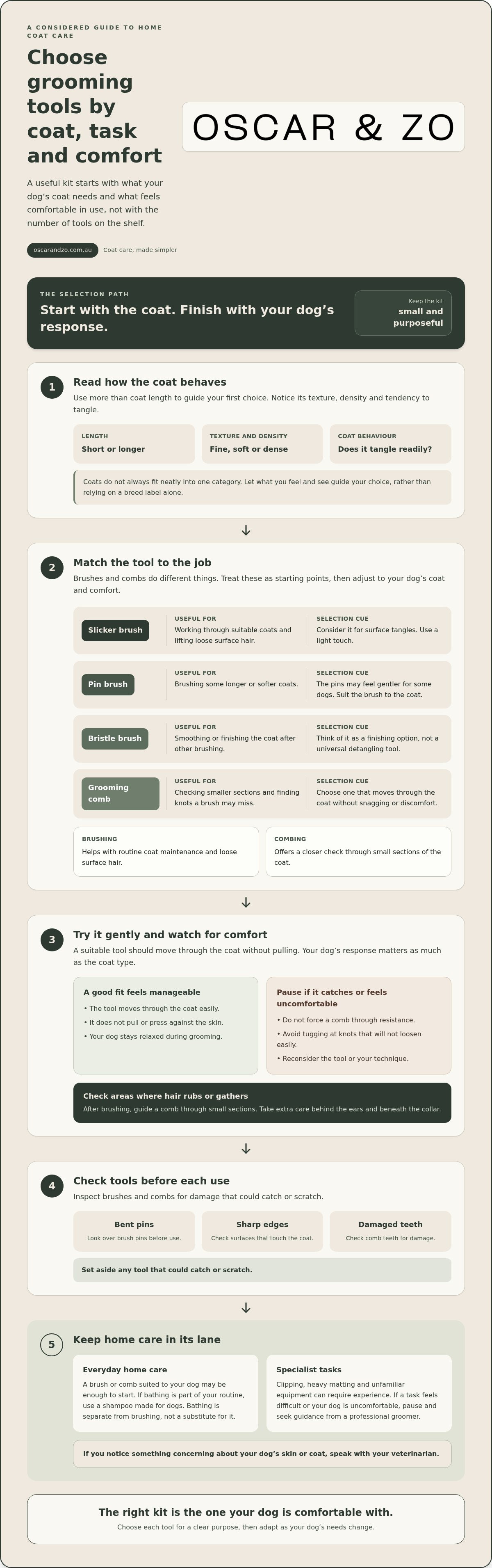
A considered grooming routine starts with a simple sequence: identify what your dog’s coat needs, choose a suitable tool, introduce it gently, then reassess how your dog responds. This keeps the process practical. You don’t need to master every grooming technique before you begin, and you can change your approach if a tool isn’t comfortable or useful.
- Identify the coat’s needs. Notice its length, texture, density and tendency to tangle.
- Select a suitable tool. Choose a brush or comb for the task, rather than buying several tools without a clear purpose.
- Introduce it gently. Let your dog investigate it, then begin with light contact and brief passes.
- Reassess. Consider whether the tool moves through the coat comfortably and whether your dog remains at ease.
For more context on comparing options, the pet grooming tools buying guide can help you think through what belongs in a home kit.
A calm way to introduce a new grooming tool
Set the brush or comb nearby and give your dog time to notice it before you start. Keep your movements unhurried, use light pressure and make brief passes that follow the direction of the coat. If the tool meets resistance, don’t pull through it. Pause, adjust your approach, or finish the session and try again another time.
Watch your dog’s response as carefully as the coat. Moving away, tensing or repeated signs of unease are reasons to stop and give them space. If grooming repeatedly causes distress or discomfort, seek guidance from a professional groomer. A calm pause is more useful than pushing through a difficult session.
Regularly checking your tools helps keep home grooming considered, comfortable and ready for the next session. Before use, look over the brush and comb surfaces. Check for bent or broken pins, rough edges, loose parts or damaged teeth that could snag the coat or feel uncomfortable against the skin. If you find damage, stop using the tool rather than trying to work around it.
Keeping brushes and combs ready for next time
After grooming, remove collected hair and follow the maker’s care instructions for cleaning and storage. Tool materials and construction can differ, so avoid assuming every brush or comb should be cleaned in the same way. Once cared for, store tools clean and dry somewhere easy to reach. Replace or set aside anything with a damaged surface or uncomfortable edge.
A little attention before and after each use can help you make the most of the grooming essentials for dogs you already own. Thoughtful selection and regular care matter more than building a large kit. For tools suited to a home routine, explore Oscar & Zo grooming tools.
Build a simple dog grooming routine around useful essentials
A useful routine is guided by your dog, not a fixed checklist. Keep the tools that suit their coat and the care you can do comfortably at home. Brushing may be part of regular coat maintenance, while bathing fits as a separate step when your dog needs it. Drying and any finishing touch can vary with the coat and your dog’s comfort.
Keep the sequence flexible. You might brush first, pause if your dog needs a break, then bathe on a different occasion. There’s no need to add every possible product or make each session cover every task. A calm, repeatable approach is often easier to maintain than a long routine that doesn’t suit your household.
- Brush or comb: Use a tool suited to the coat, with light contact and attention to your dog’s response.
- Bath when needed: Choose a shampoo made for dogs and allow for drying in a way that suits the individual coat.
- Finish only if useful: Keep coat freshening optional, rather than making it a required step after every brush or bath.
Which care products complement everyday brushing?
Brushes and combs support coat maintenance, while shampoo has a separate role in bathing. Oscar & Zo Skin & Coat Shampoo is a vet-recommended option for a considered bath-care routine. If you’re weighing up dog shampoos, the vet-recommended dog shampoo guide can help you consider what may suit your routine.
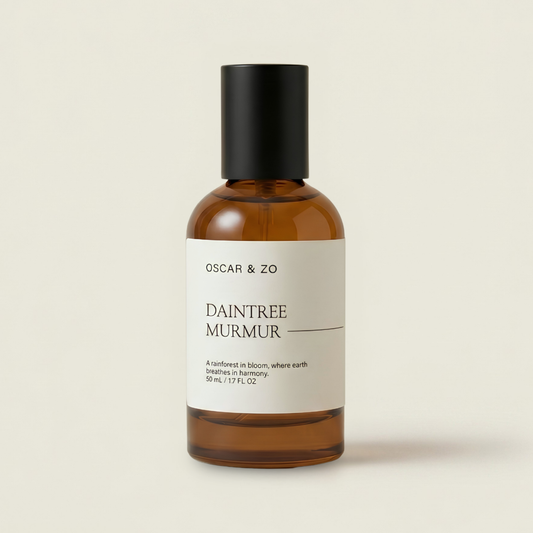
Pet fragrance is also optional. It may be used as a coat-freshening step in line with its directions, but it doesn’t replace bathing or veterinary care. If you’re considering this finishing touch, the pet fragrance spray guide offers further context.
A considered next step for your dog’s grooming routine
Let your dog’s coat and comfort shape what you use and how often you use it. If a tool causes repeated discomfort, or you have a concern about your dog’s skin or coat, pause and seek guidance from a professional groomer or veterinarian. A routine should feel manageable, not pressured.
The most useful grooming essentials for dogs are the ones that serve a clear purpose in your home routine. Explore Oscar & Zo grooming essentials for considered options for brushing and everyday coat care.
Make your next grooming moment a little easier
You don’t need to perfect your routine all at once. Let your next grooming session be an opportunity to notice what feels comfortable for your dog and what might benefit from a gentler pace. Those small observations can help you decide what belongs in your routine and when it’s best to pause.
The most useful grooming essentials for dogs are the ones that suit your companion and fit naturally into everyday life. Your dog’s needs may shift with changes in their coat or routine, so allow your approach to adapt too. Calm, attentive care can grow through small moments of patience and familiarity.
Oscar & Zo offers grooming essentials for thoughtful, everyday pet care. Explore Oscar & Zo grooming essentials to find tools for your dog’s home-care routine.
Frequently asked questions
What grooming essentials does a dog need at home?
A dog’s home kit usually starts with a brush or comb suited to their coat, plus dog-specific shampoo if you bathe them at home. You might also keep a towel nearby for drying. Add other tools only when they serve a clear purpose in your routine. The right grooming essentials for dogs depend on coat needs and what you can use calmly and comfortably with your dog.
How do I choose the right brush for my dog?
Use coat length, texture and density to narrow down the options, then consider how your dog responds to the brush. For example, a soft bristle brush may suit some short coats, while a pin brush can be a starting point for certain longer coats. Try gentle strokes in a small area. If the brush catches, pulls or makes your dog uncomfortable, pause and reconsider.
Can I use a human hairbrush on my dog?
A human hairbrush isn’t designed with a dog’s coat and grooming needs in mind, so a dog-specific brush is a more considered choice. Human brushes may not reach through thicker coats or may feel uncomfortable on your dog’s skin. For a dog with a smooth, short coat, choose a suitable grooming tool rather than assuming a familiar household brush will work just as well.
Is it better to brush a dog before or after a bath?
For many dogs, gently brushing before a bath can help you notice tangles and remove loose surface hair before the coat gets wet. Be careful around knots, and don’t pull at them. After bathing, let the coat dry in a way that suits your dog and coat type before brushing, unless you’ve been guided to use a particular technique. Stop if brushing seems uncomfortable.
Can you brush a dog’s coat while it is wet?
It depends on the coat, tool and technique. Wet hair can be more prone to stretching or breakage, so avoid forceful brushing and don’t work through tangles by pulling. If your dog’s coat needs attention after bathing, follow advice suited to that coat and use gentle handling. If the brush snags or your dog shows discomfort, stop and allow the coat to dry before reassessing.
How should I clean my dog’s grooming brush?
Remove collected hair after use, then follow the care instructions supplied with the brush. Some tools may be cleaned differently, so avoid soaking or using cleaning products unless the maker’s guidance allows it. If washing is suitable, let the brush dry fully before storing it. Check the pins or bristles as you clean, and stop using the tool if you notice damage or rough edges.
When should I ask a professional groomer for help with my dog’s coat?
Seek help from a professional groomer if your dog’s coat is heavily matted, needs clipping, or a grooming task feels difficult to manage safely at home. Don’t tug at tight knots or continue if your dog becomes distressed. For skin changes, persistent sensitivity or another health concern, speak with your veterinarian. A groomer can support coat care, while a veterinarian can advise on health questions.