


How to Keep a Dog Clean Without Bathing: Choose a No-Bath Method

A dry shampoo isn’t always the best choice. For muddy paws or a damp coat, a towel or dog-safe wipes may be simpler; dry shampoo can refresh the coat without a full bath. Learning how to keep a dog clean without bathing means matching the method to the mess and your dog’s comfort. Regular brushing helps lift loose dirt and keep the coat tidy between washes.
It’s understandable to want a quick, gentle way to freshen your dog without making bath time part of every clean-up. A simple no-bath routine can include brushing the coat, spot-cleaning where needed and taking care around sensitive areas.
Here, you’ll learn when to use a damp towel, wipes or dog-specific dry shampoo, and how to clean paws, ears, face and rear end with care. You’ll also find practical guidance for puppies and tips for choosing a method that suits your dog’s coat and everyday routine.
Key Takeaways
- Choose between brushing, a damp towel, wipes or dog-specific dry shampoo based on where the dirt is and what your dog tolerates comfortably.
- Make brushing part of your routine to lift loose dirt and keep the coat tidy between baths.
- After walks, gently wipe paws, including between the pads and toes, and clean only the visible part of the ears.
- Use care with powder-based cleaning methods, particularly around a dog’s face and if they have sensitive skin or breathing concerns.
- Keep puppy clean-ups brief and gentle, and use a damp cloth for small messes rather than rushing into a full bath.
Brushing dogs with different coat lengths
A coat-specific brushing routine is a practical way to learn how to keep a dog clean without bathing between washes. Match the tool and technique to your dog’s fur, then adjust your approach wherever the coat catches or tangles.
- Use a soft touch on short coats. A grooming mitt or soft-bristled brush can lift loose hair and surface dirt from a smooth coat. Work from the shoulders towards the tail, then use shorter strokes on the chest and legs. A short-haired dog may not need a long brushing session, but a regular pass helps you spot dried mud or loose hair before it spreads around the home.
- Divide long coats into sections. Separate the fur with your fingers and brush one small area at a time, working from the ends towards the skin. This makes knots easier to spot before they tighten. A wide-toothed comb can help check longer fur on the tail, legs and behind the ears, where loose hair can collect.
- Work carefully through a double coat. Lift the outer layer and brush the undercoat in manageable sections, following the direction of growth. Use light pressure around the collar line, armpits and hindquarters, where friction can catch loose fur. If you find a tangle, hold the coat near the skin and gently ease apart the ends with your fingers before brushing.
- Choose a grooming tool for the coat, not just its length. Curly, wiry and silky coats behave differently, even when the hair seems a similar length. A comb that glides through a silky coat may snag curls, while a mitt may not reach through dense fur. Introduce a tool gently on the back first, then adjust if it catches or pulls.
- Make brushing a calm, useful check-in. Brush where your dog is comfortable standing or resting, and pause if they shift away. Use each pass to look for burrs, leaf fragments or small tangles, particularly after outdoor play. If dry shampoo is part of your routine, keep it separate from detangling so brushing stays gentle and controlled.
For short-haired dogs, brush once a week to distribute natural oils and remove dirt. Keep dry shampoo away from the eyes, mouth and ears when treating the head.
Cleaning paws, face, ears, and rear end
Use a soft cloth or dog-safe wipe for small, localised messes. After a walk, check each area before cleaning so you can remove visible dirt without rubbing sensitive skin.
See your vet if cleaning reveals skin changes, discomfort, unusual discharge or an odour that persists. A professional groomer can help with coat care when tangles or soiling are difficult to manage at home.
-
Wipe paws and paw pads
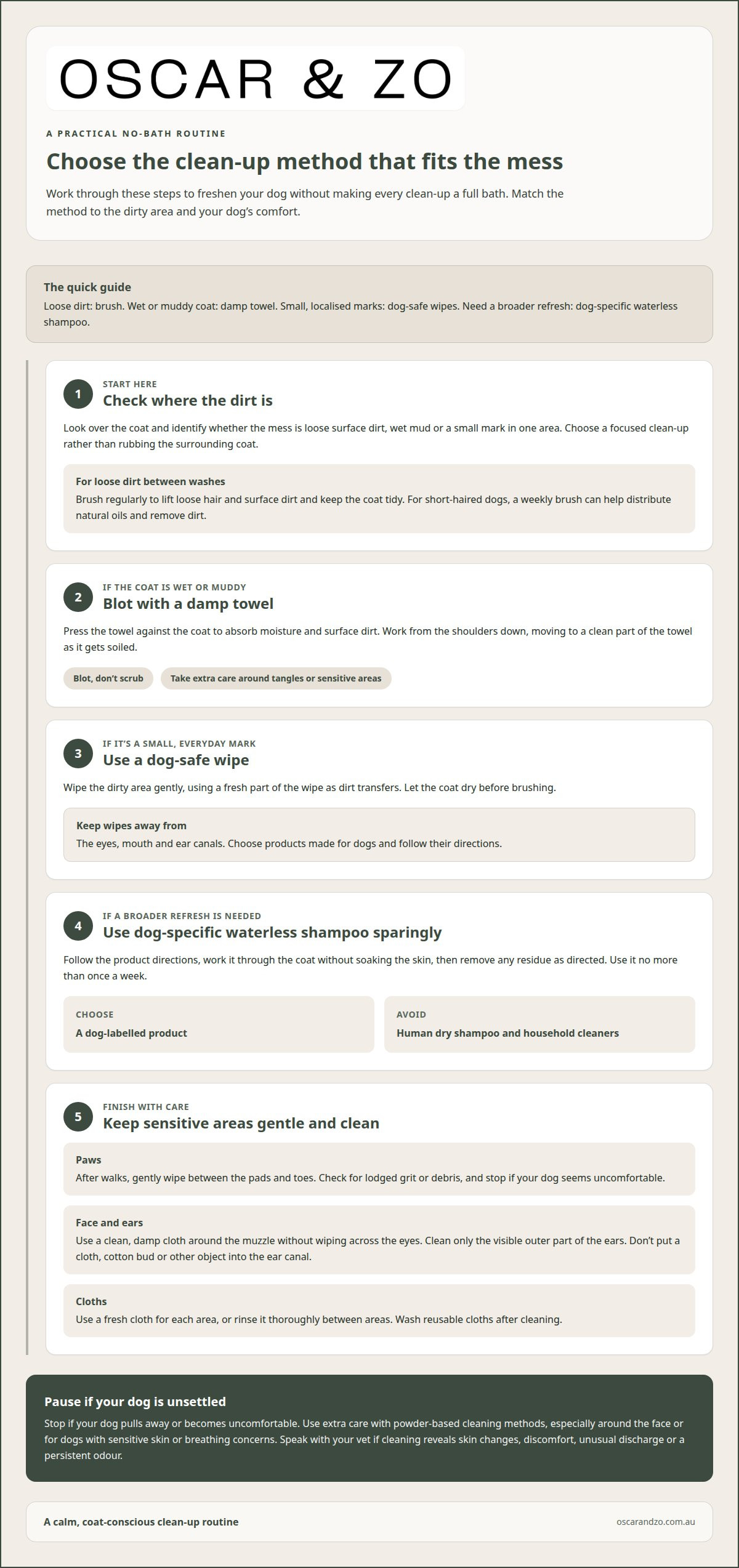
After walks, gently wipe each paw, especially if your dog has crossed grass or sand. Clean between the paw pads and toes, where grit and damp debris can collect. Use a fresh part of the cloth for each paw, then check the pads and spaces between the toes for lodged material. Keep your touch light, and stop if your dog pulls away or seems uncomfortable.
-
Clean the face, ears and rear end
Use a clean, damp cloth to lift food marks or dirt from the face, working around the muzzle without wiping across the eyes. For ears, clean only the visible outer area; don’t put a cloth, cotton bud or other object into the ear canal. Use a separate cloth to wipe visible soiling around the rear end, moving away from the body’s openings.
- Use a fresh cloth for each area. Keep separate cloths for paws, face, ears and rear-end clean-ups, or rinse one thoroughly between areas. This helps prevent dirt from one spot being carried to another. For example, don’t use a cloth that has wiped muddy paws on your dog’s muzzle. Wash reusable cloths after cleaning.
- Keep the clean-up focused. Wipe only the dirty area rather than repeatedly rubbing the surrounding coat. If a paw is sandy, make several light passes between the toes instead of scrubbing. For a small mark on the muzzle, use a damp corner of the cloth and pat gently. Dry the area with a clean towel if it remains damp.
- Pause and assess what you find. A quick check as you wipe can reveal whether the mess is ordinary outdoor dirt or something that needs professional attention. If your dog resists having an area touched, don’t force the clean-up. Note where the discomfort occurs and discuss it with your vet. For coat tangles around the rear, a groomer can help manage the fur safely.
Waterless shampoo, wipes, dry shampoo, and damp towels
Match the method to the mess: a damp towel lifts surface mud, while dog-specific wipes or waterless shampoo can suit broader clean-ups. Human dry shampoo and household cleaners aren’t substitutes for products made for dogs. Choose dog-labelled options and follow their directions.
- Use a damp towel for wet or muddy coats. When your dog comes inside damp, press a towel against the coat to absorb moisture and dirt. Work from the shoulders down, using clean sections of fabric as they become soiled. Blot rather than scrub, especially over tangled or sensitive areas. This is a practical first step after a muddy walk, before deciding whether more cleaning is needed.
- Choose dog wipes for small, everyday marks. Wipes made for dogs can clean the coat. Start at the neck and work down towards the tail, using a fresh area of the wipe as dirt transfers. Avoid the eyes, mouth and ear canals. For example, wipe a dusty flank or dirty chest, then let the coat dry before brushing.
- Apply waterless dog shampoo sparingly. Follow the product directions and use it no more than once a week. Work it through the coat without soaking the skin, then remove residue as directed. If your dog becomes unsettled, pause and switch to a damp towel. A waterless clean is best done outside, where your dog can shake without scattering moisture indoors.
- Keep dry shampoo specific to dogs. Dog dry shampoo comes as foam, powder or spray; choose a product formulated for dogs and pH-balanced. Apply only as directed, keeping it away from the eyes, mouth and ears. Brush the product out thoroughly, then use a towel to lift remaining dirt or residue. Powder may not suit dogs with sensitive skin or breathing concerns around powders.
- Dry the coat gently after spot-cleaning. Use a towel first to absorb excess moisture. If you use a blow dryer, choose cool or low heat and continue only while your dog remains comfortable. Keep the airflow moving rather than holding it against one area. For a small damp patch, towel drying may be enough; a dryer isn’t essential.
- Keep household products separate from the routine. Don’t treat human dry shampoo, household cleaners and dog grooming products as interchangeable. A plain damp cloth can lift a small spot without adding another product. For a larger clean-up, choose a product labelled for dogs, read its directions and use it only on the areas specified.
Combining baking soda with cornstarch
A DIY dry mix combines equal parts baking soda and cornstarch. Baking soda deodorises the coat, while cornstarch absorbs oil and softens it.
- Ask your veterinarian before using the mixture. Some dogs may be allergic to baking soda, so get veterinary advice before applying it. This is especially relevant if your dog has a skin condition or reacts to grooming products. If your veterinarian advises against the mixture, choose another cleaning method instead.
- Measure equal amounts. The suggested coat mixture uses one cup of baking soda and one cup of cornstarch. Combine them in a clean bowl until evenly mixed. Keep the mixture separate from food ingredients, and prepare it only for coat cleaning.
- Apply a small amount at a time. Work over a surface that’s easy to clean, as loose powder can scatter. Sprinkle the mixture lightly onto the coat rather than pouring it over your dog. Keep it away from the eyes, mouth and ears, and don’t apply it to irritated or broken skin.
- Let it sit briefly, then brush it out. Leave the mixture on the coat for a few minutes, then brush thoroughly to remove the powder. Use a gentle brush and work through the coat in sections, checking that no visible residue remains. A towel can help lift leftover powder from the fur after brushing.
- Watch your dog throughout the process. Keep your dog from licking the mixture while it’s on the coat or before brushing is complete. Ingesting a small amount of baking soda is described as safe, but eating a large amount is dangerous. Stop applying the powder if your dog licks at it or becomes unsettled.
- Consider whether powder suits your dog. Powder-based cleaning may not suit dogs with sensitive skin or breathing concerns around powders. If your dog turns away, coughs or seems uncomfortable, stop and remove the mixture with a brush and towel. A damp towel or dog-specific wipe can be simpler for a small dirty patch.
This mixture is a dry-cleaning option, not a substitute for addressing ongoing skin or coat problems. If you notice persistent irritation or your dog’s coat remains unusually oily or unpleasant-smelling, speak with your veterinarian before repeating the method.
Spot-cleaning puppies
For puppies younger than around 8 weeks, avoid a full bath unless your veterinarian advises otherwise. They can’t regulate their body temperature well, so a full bath may be risky. For a small mess, use a calm, brief spot-clean instead.
- Prepare the clean-up before bringing your puppy over. Set out a soft cloth, a dry towel and a warm, draught-free spot. Choose a stable surface where your puppy can stand comfortably, or sit with them securely on your lap. Having everything ready keeps the clean-up focused and avoids leaving a damp puppy while you fetch supplies.
- Keep the session short and gentle. A brief cleaning session can help a puppy become accustomed to calm handling. Use a quiet voice and slow movements. If your puppy wriggles or seems unsettled, pause and let them settle before continuing. There’s no need to turn one small muddy mark into a full grooming session.
- Clean only the dirty patch. Dampen a soft cloth and gently wipe the affected area, such as a muddy paw or a mark on the chest. Use a clean part of the cloth for each pass. Avoid rubbing hard, and keep the cloth away from the eyes, mouth and inside of the ears.
- Dry the area straight away. Press a clean towel gently against the damp fur to absorb moisture. Check the skin and coat beneath the cleaned patch, then make sure the puppy is settled in a comfortable, warm place. A towel is usually enough for a small spot clean, without wetting the rest of the coat.
- Make handling familiar through small steps. During a calm moment, briefly touch a paw, lift an ear flap or run your hand over the back. Pair each gentle touch with a pause, then stop before your puppy becomes uncomfortable. These short handling moments can make a later wipe-down feel less unfamiliar.
- Consider the reason for the mess before choosing a method. For loose dirt after outdoor play, brush the dry coat once your puppy is comfortable. For a small sticky mark, use a damp cloth rather than applying powders or household products. If your puppy has a skin condition, speak with your veterinarian before trying a new cleaning method.
For puppies younger than around 8 weeks, a full bath can be risky because temperature regulation is still developing. A prepared cloth, brief clean-up and gentle towel dry keep attention on the soiled area, not the whole coat.
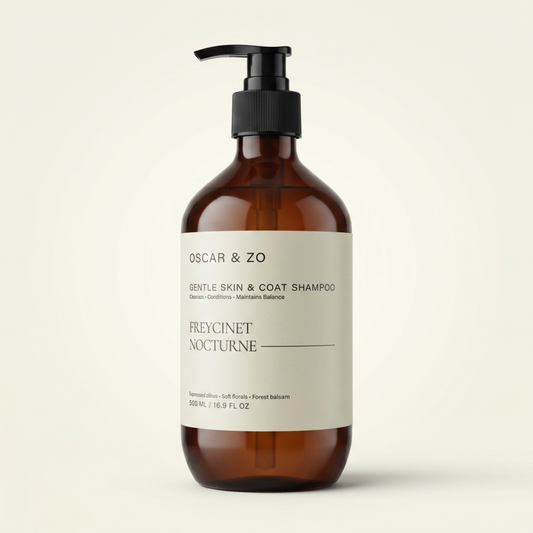
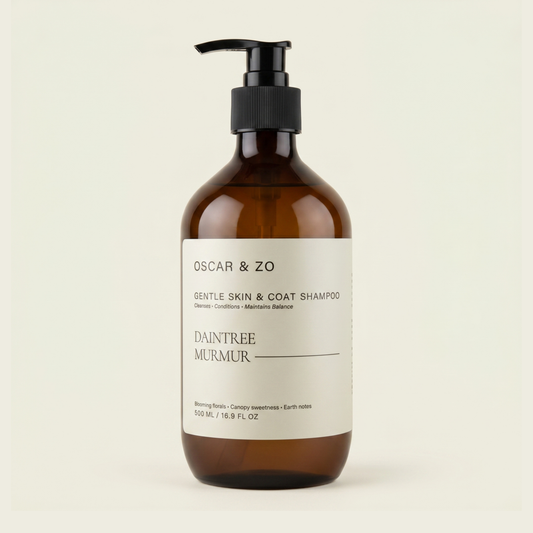
Oscar & Zo: Skin & Coat Shampoo
Oscar & Zo Skin & Coat Shampoo is a useful next step when brushing and spot-cleaning no longer remove dirt from your dog’s coat. No-bath methods can help with small messes and everyday upkeep, while shampoo is suited to a full wash when the coat needs more thorough cleaning. Follow the product directions and keep the routine suited to your dog’s coat and comfort. If your dog has a skin condition, speak with your veterinarian before trying a new cleaning method.
For a considered bathing routine alongside your no-bath care, explore Oscar & Zo Skin & Coat Shampoo.
Make your dog’s care routine your own
Knowing how to keep a dog clean without bathing can make everyday care feel more manageable, especially when your routine is built around your dog’s comfort. Notice which parts of a clean-up your dog accepts easily, and keep the steps that work calm and consistent. A familiar brush, cloth and quiet space can make small moments of care a gentle shared ritual.
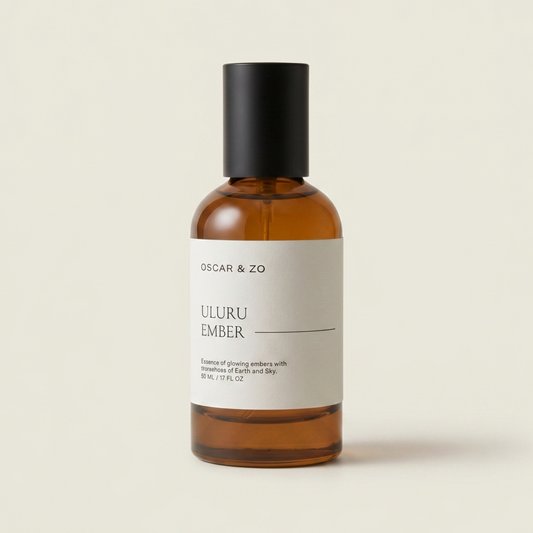
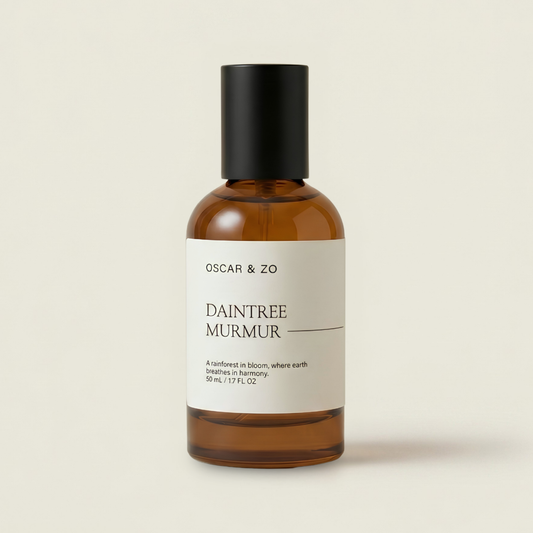
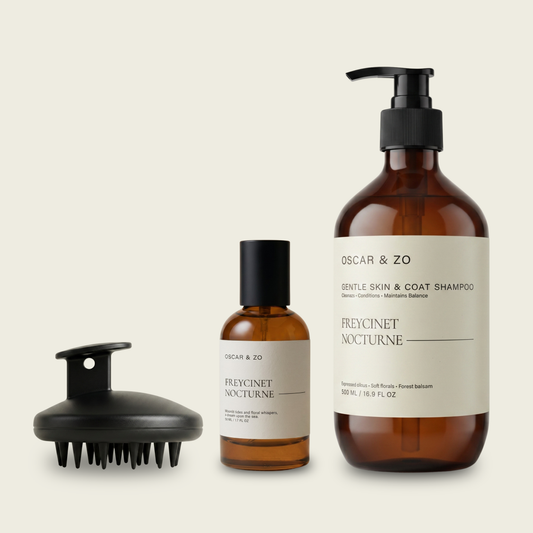
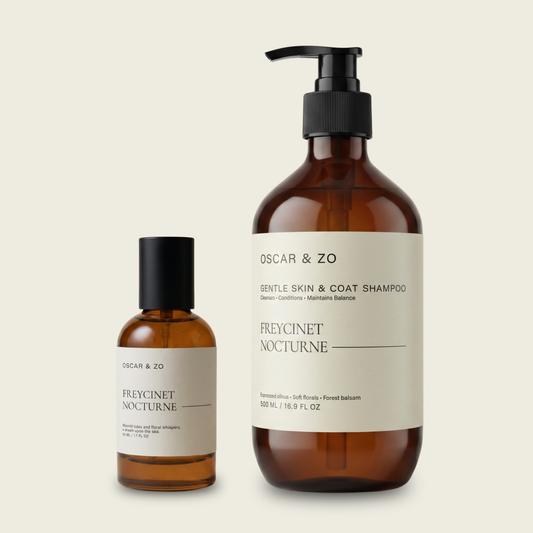
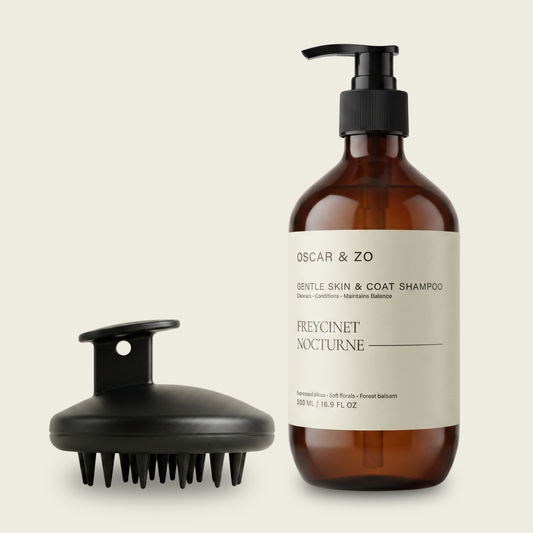
When a full wash is the right choice, Oscar & Zo Skin & Coat Shampoo can be part of your bathing routine. Pet Fragrance and Ritual Sets offer other ways to shape everyday coat care around your household. Choose what suits your dog and use each product as directed.
Explore Oscar & Zo’s dog care range and find a thoughtful next step for your routine. With a little attention and a gentle touch, you can help make caring for your dog feel simpler, steadier and more connected.
Frequently asked questions
Dry shampoo vs wipes vs towel: Which no-bath method works best?
Choose by the size and type of mess: a towel suits a wet coat, a wipe works for a small mark, and dry shampoo can refresh a broader area. For example, use a towel after a drizzly outing, but reach for a wipe to remove a spot of food. If dirt is caked on or covers much of the coat, a no-bath method may not be enough.
How often should you brush a dog to keep its coat clean?
Set a brushing rhythm that reflects coat texture, shedding and how quickly tangles form. A smooth coat may stay tidy with less attention than a long, curly coat that catches debris. Check the fur as you brush: if it snags or mats begin forming, adjust the routine. A groomer can show you a suitable technique for a coat that’s difficult to manage at home.
How to clean a dog with pet-safe wipes or a damp cloth
For a small mark, use a clean cloth or a wipe made for dogs, and work gently over the affected patch. Avoid soaking the coat, which can leave the fur damp longer than needed. If you’re using a wipe for the first time, follow its label and watch how your dog responds. Keep the cloth clean as you move across the coat.
How to use waterless dog shampoo safely
Use waterless shampoo as a targeted refresh, not as a substitute for cleaning a heavily soiled coat. Read the label before applying it, since products can have different directions. Start with a small area and pause if your dog becomes uncomfortable. If your dog has a skin condition, speak with your veterinarian before introducing a new grooming product.
How to clean a dog’s paws after walks
After a walk, check the paws for anything that needs more than a quick wipe, such as sticky plant material or a lodged grass seed. Don’t pull at an object that seems embedded. If you notice a cut, swelling or persistent discomfort, contact your veterinarian. A calm inspection also helps your dog become familiar with having their paws handled.
How to remove dirt and debris from a dog’s coat without bathing
For loose leaves or surface debris, separate the affected fur with your fingers before using a comb or brush. Work around the item rather than tugging, especially if it’s caught in a knot. Check the coat again in natural light, since small pieces can hide beneath longer fur. If debris is tightly tangled, avoid cutting close to the skin.
How to keep a dog’s ears, eyes and face clean at home
Keep face care simple and use a clean cloth for each area. A damp corner can lift food or tear marks from the fur, while a dry section helps remove leftover moisture. Avoid applying grooming sprays near the face. If your dog’s eyes look irritated, or you notice ongoing discharge or discomfort around the ears, seek veterinary advice rather than trying a deeper clean.