


What Is a Pin Brush For? Compare It for Detangling and Smoothing

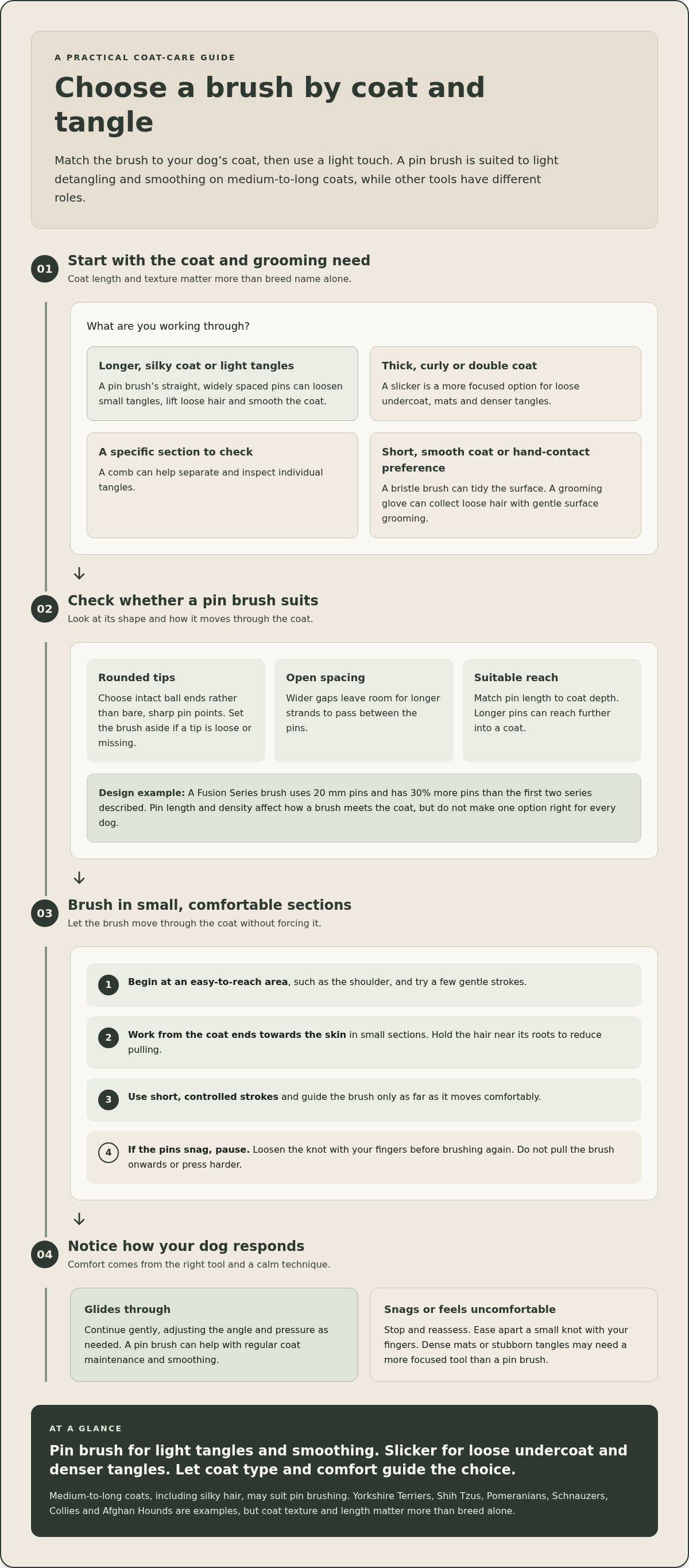
A brush with closely packed bristles isn’t always the gentler choice. Understanding what a pin brush is for starts with its straight, widely spaced pins and rounded tips: they suit light detangling and smoothing, especially on medium-to-long, silky coats. Used with a light touch, a pin brush can loosen small tangles and tidy the coat without the denser feel of a slicker brush.
Choosing a brush by its shape matters, particularly if your dog has sensitive skin or finds grooming uncomfortable. Regular brushing can help keep a coat free of tangles, but the right tool and a calm technique can make grooming more comfortable for both of you.
This guide compares pin brushes with slicker, bristle, comb and grooming-glove options, and explains how pin spacing, rounded tips and pressure affect comfort. You’ll also find practical guidance on coat type, brushing technique and when a pin brush may suit your dog, helping you settle into a gentler grooming rhythm.
Key Takeaways
- Choose a pin brush for gentle detangling and smoothing, especially on medium-to-long or silky coats.
- Look for rounded tips and suitable pin spacing to help make brushing feel more comfortable.
- Compare a pin brush with a slicker brush by your pet’s coat and whether you’re managing light tangles or mats.
- Use a light touch and adjust brushing frequency to your pet’s coat type and routine.
- Explore how grooming tools and coat-care products can complement a calm, regular grooming ritual.
Gentle detangling and coat smoothing
A pin brush uses straight, widely spaced pins to loosen light tangles and smooth the coat. In Australia, brush costs vary with size, pin length and construction, so compare these features when choosing.
Coat types suited to pin brushes
Medium-to-long coats, including silky hair, can suit a pin brush’s open spacing. The pins move through longer hair to separate light tangles and lift loose hair and surface debris. This makes the brush useful for regular maintenance and a smooth finish. A slicker, with closely packed fine wires, is a more focused option for loose undercoat and denser tangles.
Suitable coats and breeds
Yorkshire Terriers, Shih Tzus, Pomeranians, Schnauzers, Collies and Afghan Hounds are examples of breeds with coats that may suit pin brushing. Coat texture and length matter more than breed name alone. A pin brush can work well on long, silky hair and some curly coats. For dense mats or stubborn tangles, its widely spaced pins may be less effective than a slicker.
For a gentle pass, start at the coat ends and work towards the skin in small sections. Hold the hair near the roots to reduce pulling, then guide the brush only as far as it moves comfortably. This helps separate a small knot without dragging it along the coat. If the pins catch, pause and loosen the tangle with your fingers before brushing again.
After bathing, a pin brush can help fluff and smooth the coat as it dries. Between baths, its pins can lift loose hair and surface debris while tidying longer strands. Regular brushing can also stop tangles becoming harder to work through. The best result comes from matching the brush to coat length and texture, not pressing harder when it meets resistance.
| Brush option | Best suited to | Detangling and smoothing role |
|---|---|---|
| Pin brush | Medium-to-long, silky or some curly coats | Light tangles, loose hair and coat smoothing |
| Slicker brush | Thick, curly or double coats | Loose undercoat, mats and denser tangles |
| Comb | Checking specific sections | Separating and inspecting individual tangles |
| Bristle brush | Short, smooth coats | Surface grooming and tidying |
| Grooming glove | Pets more comfortable with hand contact | Gentle surface grooming and loose-hair collection |
Choose a pin brush for light, regular detangling on a longer coat, and a slicker when dense tangles or loose undercoat need more focused attention.
Pin brush design and protective ball tips
A pin brush typically has an oval head, a handle and rows of straight pins. The pins are often metal, with rounded rubber or plastic tips. This shape sets it apart from a slicker brush, whose fine wires sit close together on a flat or slightly curved surface. The wider spaces between pin brush prongs leave room for the coat to pass between them.
Ball tips soften contact with the coat and skin compared with exposed pin ends. They’re a design feature, not a reason to press firmly: use light strokes and let the brush move through the coat without forcing it. Check the tips before brushing. If a ball tip is loose or missing, set the brush aside, as an exposed pin can catch on hair or feel sharp against the skin.
Pin flexibility also affects how the brush moves. Long, flexible pins can give slightly as you work through a coat, while their spacing helps them reach into longer hair. A comfortable handle supports a controlled grip; guide the brush with your wrist rather than bearing down with your arm. Around the legs, shorter strokes can make it easier to control the head and stay within the area you intend to brush.
Pin length and pin density change how a brush meets the coat. A Fusion Series brush uses 20 mm pins and has 30% more pins than the first two series described. More pins can create closer contact across the brush head, while longer pins reach further into a coat. These design differences don’t make one option right for every dog. Coat density, length and your pet’s comfort all influence the useful fit.
Before choosing, consider the following design details:
- Rounded tips: Look for intact ball ends rather than bare, sharp pin points.
- Pin length: Match the reach of the pins to the depth of the coat.
- Pin spacing: Wider gaps leave more room for long strands to pass through.
- Brush head: An oval shape can help follow the body’s contours.
- Handle: Choose a grip that lets you make short, controlled strokes.
Try a few gentle strokes over an easy-to-reach area, such as the shoulder. Notice whether the pins glide, snag or press against the skin, then adjust your angle and pressure. This simple check helps you assess whether the brush suits your dog before working through a longer section of coat.
Brush comfort and sensitive skin
Yes. A pin brush can pull hair or irritate skin if you press hard, brush repeatedly over one spot or force the pins through a knot. Rounded tips and a gentle design don’t replace light pressure and careful handling.
Pin brushes are designed for gentle coat care, but they can still irritate sensitive skin if used with too much pressure. A slicker’s closely packed wires can concentrate contact, so use light pressure and short, patting strokes with that brush. With either tool, avoid scraping the skin or pushing through a tangle. A calm, brief pass is more comfortable than repeated strokes over the same patch.
Begin with a small, easy-to-reach area, such as your dog’s shoulder. Let the pins travel through the coat without leaning on the handle. If they snag, stop rather than pulling the brush onwards. Hold the coat near its roots, then ease the knot apart with your fingers before trying again. This helps keep tension from travelling down the hair towards the skin.
Watch your dog’s response as you brush. Turning away, flinching, moving from the brush or repeatedly looking back can signal discomfort. Pause, change the angle or choose a smaller section. For example, brushing a leg in short strokes gives you more control than sweeping across the whole limb. Avoid areas your dog guards or finds uncomfortable.
Check the pins before each session. Rounded tips should be intact, with no sharp or exposed ends. Damaged tips can catch on hair or press against the skin, so don’t use a brush with a missing ball tip. Remove trapped hair after grooming so the brush moves freely, then check the tips again before the next session.
For a more comfortable routine, follow these steps:
- Settle your dog: Choose a quiet spot and let your dog stand or lie comfortably.
- Start gently: Use a few light strokes on the shoulder before moving to another area.
- Work in sections: Brush a manageable patch at a time, following the direction of hair growth.
- Pause at resistance: Stop when pins catch, then loosen the tangle by hand.
- Notice changes: Pause if your dog flinches, moves away or shows discomfort.
If the skin looks sore, brushing causes a persistent reaction, or your dog seems uncomfortable in a particular area, pause grooming. Don’t brush over irritated-looking skin or try to work through a painful knot. If discomfort continues, speak with your veterinarian, who can assess your dog’s skin and coat and advise on suitable care.
Brushing technique and frequency
A steady routine helps keep grooming manageable. Brush in small sections, follow the direction of coat growth and pause whenever the pins catch. For a long-coated dog, begin with the legs or chest before moving to larger areas. Keep each pass controlled rather than rushing from head to tail. Short sessions also give you time to notice knots before they tighten.
Use a pin brush on a dry coat with a light touch. If the coat feels difficult to brush, a light conditioning spray before brushing may help the strokes feel easier. Apply it sparingly, then separate the coat with your fingers. Start at the ends and work towards the roots, holding the hair near the skin to reduce pulling. Don’t force the brush through a knot.
Follow this sequence for a calm, thorough session:
- Settle your dog: Choose a steady surface and let them stand or lie comfortably.
- Divide the coat: Separate longer hair into small sections, such as the chest, flank and legs.
- Begin at the ends: Brush a short section, then gradually move closer to the roots.
- Check your progress: Run your fingers through the brushed area to find any remaining snags.
- Pause when needed: If your dog moves away or the brush catches, stop and reassess.
Brushing frequency depends on coat type and how quickly tangles form. Some dogs need brushing several times a week, while longer hair that tangles easily may need daily attention. Adjust the routine to your dog’s coat and check it regularly. A silky coat that tangles readily, for example, may need more frequent checks than a short, smooth coat.
A slicker brush has a different role in the routine. Use one weekly or as needed for mats or shedding, rather than treating it as a direct substitute for a pin brush. Its closely packed wires focus on loose undercoat and denser tangles, while a pin brush suits lighter maintenance. Match the tool to what you find during each brushing session.
Remove trapped hair from the brush after every use. This keeps the pins clear and makes it easier to inspect their tips. Store the brush somewhere dry, then check it before brushing again. A clean, intact brush and a consistent routine can make coat care more comfortable and easier to manage.
How do you choose the right pin brush size and pin type?
Match pin length to coat depth, then choose a brush head you can control comfortably. A short pin may suit a fine coat, while a longer pin can reach further through dense hair. Brush size matters too: a smaller head can be easier to guide around the legs, while a broader head covers larger areas more efficiently.
Compare the listed pin lengths rather than relying on a series name alone. The Original Series comes with 20 mm, 27 mm and 35 mm pins, while the Gold Series has 20 mm pins. Breezy Series brushes include 16 mm and 22 mm pin options. These differences provide a practical starting point, but your dog’s coat depth should guide the final choice.
Pin length affects reach; pin density affects how many pins meet the coat at once. The Fusion Series has 20 mm pins and 30% more pins than the first two series described. That denser arrangement places more pins across the brush head. Compare it with a more open pin layout by considering your dog’s coat texture and how easily the brush moves through it.
Use these checks when comparing options:
- Coat depth: Choose pins that can pass through the coat without pressing the brush head against skin.
- Coat texture: Consider whether long, silky strands need a different reach from a dense coat.
- Brush-head control: Select a size that lets you work carefully around smaller areas.
- Pin spacing: Check how easily hair passes between pins during a gentle test stroke.
- Tip condition: Look for rounded ends that are intact across the brush head.
For a small dog with a fine coat, a shorter-pin brush may be easier to manoeuvre. For a Collie with a deeper coat, compare longer pins and see whether they reach through the hair without pressure. These examples show how coat depth can guide your choice, rather than making breed the only deciding factor.
Puppies need a comfortable, controlled introduction to brushing. The Wood Pin Series is described for puppies up to six months old. Keep early sessions gentle, use a small area and watch how your puppy responds. A pin brush that feels manageable in your hand can help you keep strokes measured as your puppy becomes familiar with grooming.
Choose the pin length that reaches the coat comfortably, then check spacing, head size and tip condition with a gentle test stroke. For more ways to shape a considered grooming routine, explore thoughtful coat-care guidance.
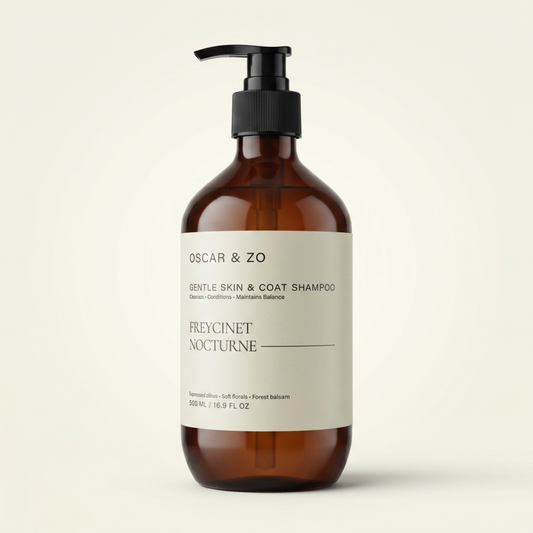
Oscar & Zo: Skin & Coat Shampoo
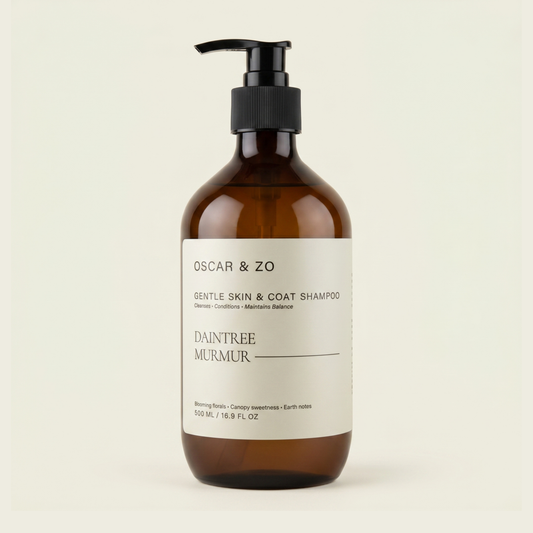
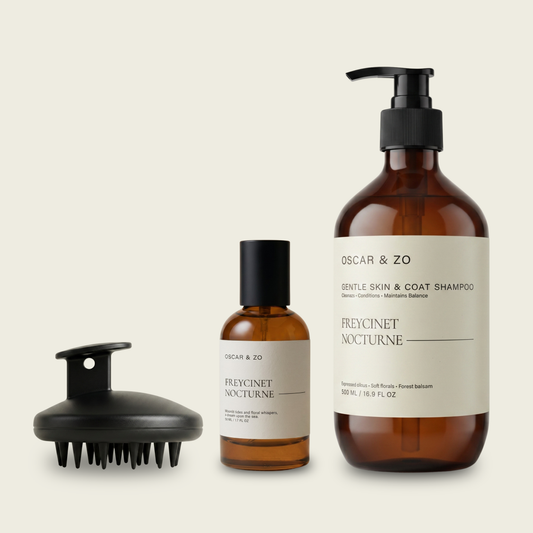
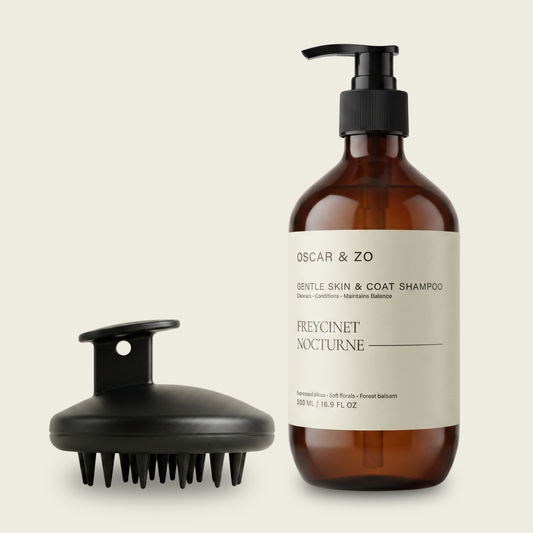
Oscar & Zo Skin & Coat Shampoo can be part of bath day when your dog’s coat needs washing as well as brushing. Shampoo supports the bathing step, while a pin brush helps maintain and smooth the coat between washes. Each has its place in a considered grooming routine.
After bathing, use a pin brush gently to fluff and smooth your dog’s coat. Work in manageable sections, and pause if the brush catches or your dog seems uncomfortable. For everyday coat care, choose grooming tools that suit your dog’s coat and brushing routine.
If you’d like to explore how Oscar & Zo’s Skin & Coat Shampoo could fit into your dog’s care routine, you’re welcome to contact Oscar & Zo.
Make grooming a moment of connection
Let your next grooming session be guided by your dog’s comfort and attention. A quiet space, an unhurried pace and a familiar routine can help make coat care feel like a shared moment rather than a task to finish.
Understanding what a pin brush is for can help you decide where it belongs in your routine. If you’re refreshing your grooming kit, consider which tools and coat-care products suit your dog’s everyday needs.
Explore Oscar & Zo’s grooming essentials and choose a thoughtful next step for your pet’s care routine.
Oscar & Zo for Pin Brush Grooming
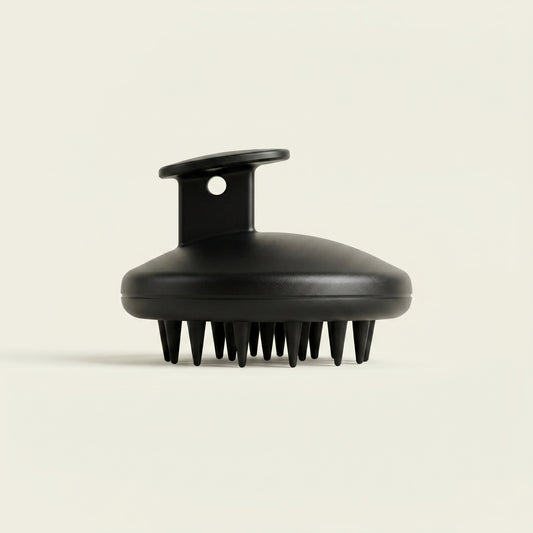
Oscar & Zo offers Grooming Tools for readers ready to put a pin brush to use. Turn to its grooming range when you want to make brushing part of your pet-care routine.
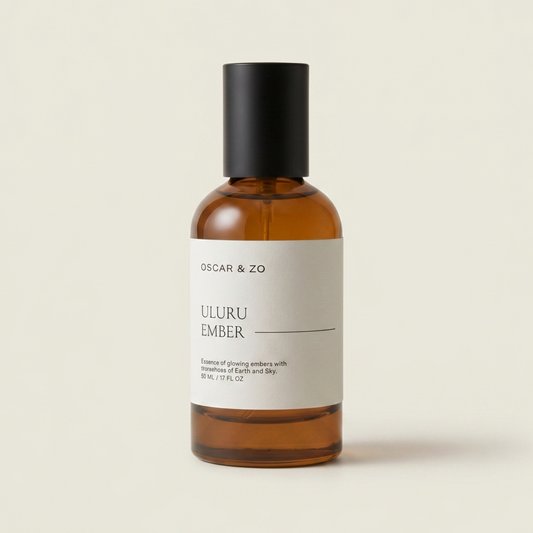
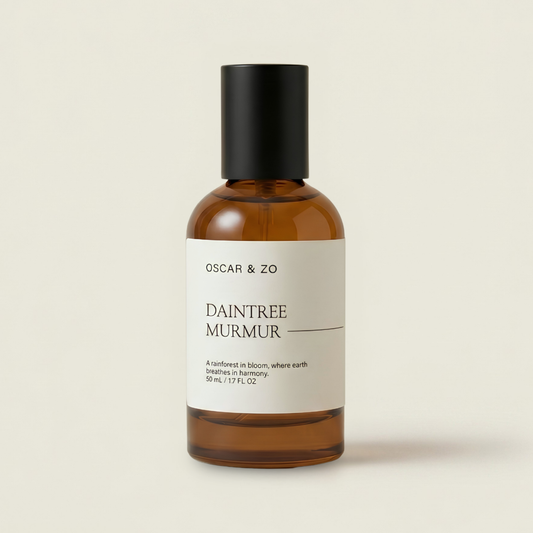
For care beyond brushing, Oscar & Zo also offers Skin & Coat Shampoo, Pet Fragrance, Ritual Sets and a Discovery Set.
Frequently asked questions
How do I choose the right brush shape?
Choose a brush head that feels easy to manoeuvre and reaches the areas you need to groom. Knowing what a pin brush is for can help narrow your choice, but your grip matters too. Hold the brush as you would during grooming and check that you can turn it comfortably around the chest, legs and tail. A controlled grip makes careful grooming easier.
What is a pin brush used for?
A pin brush is used for routine coat care, especially when you want to keep longer hair neat between baths. It can also help you notice how the coat feels as you groom. For example, see whether one area feels rougher or catches more readily than another. This can help you spot changes in the coat and decide where to give extra attention next session.
What types of hair or coats are pin brushes suitable for?
Pin brushes generally suit coats with enough length for the pins to pass through the hair. To assess your dog’s coat, part a small area with your fingers and notice how the hair sits and how easily it separates. Choose based on the coat’s structure, not simply its colour or your dog’s size. A gentle test helps you judge whether the brush reaches comfortably.
How does a pin brush differ from a bristle brush or slicker brush?
Brush types differ in how they meet the coat: pins pass between strands, bristles work across the surface, and slicker wires are closely grouped. If you care for more than one pet, keep each brush clean and separate so loose hair doesn’t transfer between coats. Choose a tool for the task, then store your brushes where you can identify each one easily.
How do you use a pin brush correctly?
Set up grooming in a well-lit, quiet spot so you can see the coat and your dog’s response clearly. Keep the brush within easy reach, along with anything you need to pause or reward calm behaviour. Starting each session in the same place can help you notice areas you missed previously. Finish by checking the brush for trapped hair and damaged or missing tips.
Are pin brushes suitable for detangling knots or removing mats?
A pin brush can help with a loose, small knot, but it isn’t suitable for pulling apart a tight mat. Pay particular attention to areas where coats rub, such as beneath a collar or around the legs. If you find a compact mat, avoid tugging at it or cutting close to the skin. Seek veterinary advice if the skin looks sore or your dog reacts painfully.
How often should you use a pin brush?
Choose a routine that keeps your dog’s coat manageable without making grooming uncomfortable. After outdoor play, for instance, check the coat for leaves or burrs and decide whether brushing is needed. If tangles return quickly, groom more regularly; if the coat stays easy to manage, keep sessions brief and steady. Your dog’s response and the condition of the coat are useful guides.