


Ways to Keep Your Dog Fresh Between Baths Naturally

A few simple habits can help your dog smell fresh between baths. If you’re wondering how to make your dog smell good between baths, start with regular coat care: brush away loose dirt, gently clean grubby patches and dry damp fur thoroughly. A dog-safe fragrance can add a fresh scent to a clean, dry coat.
It’s natural to want that just-washed feeling to last, especially after walks, playtime or a rainy day. Fragrance can complement coat care, but it won’t remove dirt or moisture that may be causing an odour.
This guide covers brushing, pet-safe wipes, simple deodorising options and dog-safe fragrance. It also explains when a lingering smell may warrant a closer look at your dog’s skin, ears or breath.
Key Takeaways
- Choose a brushing rhythm and tool that suit your dog’s coat to lift away loose dirt and fur.
- Use wipes made specifically for dogs to freshen paws and other grubby spots after outings.
- Try simple deodorising options with care, and brush products out thoroughly when needed.
- Apply dog-safe fragrance to a clean, dry coat, remembering that fragrance adds scent rather than removing the source of odour.
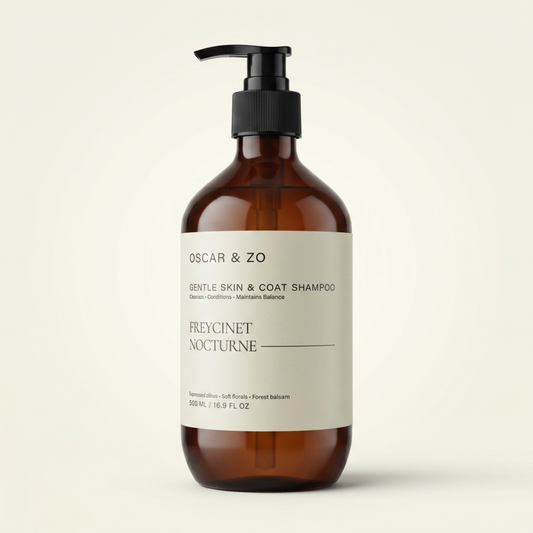
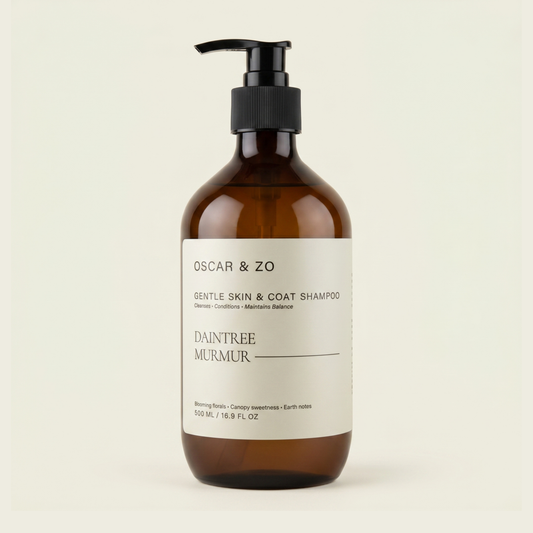
- For bath days, Oscar & Zo Skin & Coat Shampoo can be part of a considered grooming routine.
1. Brushing to remove dirt and distribute natural oils
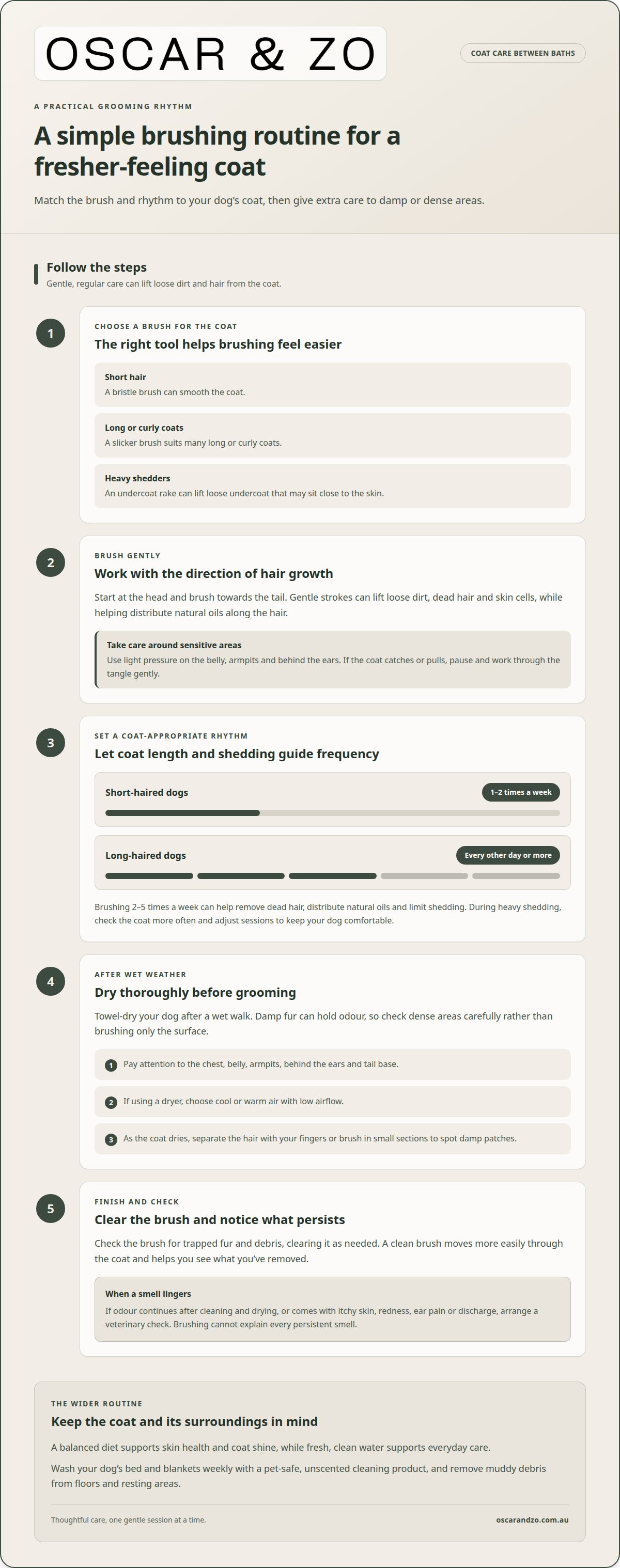
Regular brushing helps lift loose dirt, dead hair and skin cells before they collect in the coat. It also distributes natural oils along the hair, helping the coat feel smoother. Gentle strokes can remove debris picked up outdoors, such as grass, dust and dry leaves. Brush from the head towards the tail, following the direction of hair growth.
Choose a brush that suits your dog’s coat. A bristle brush can smooth short hair, while a slicker brush suits many long or curly coats. For heavy shedders, an undercoat rake can lift loose undercoat that might otherwise sit close to the skin. Use light pressure on sensitive areas, including the belly, armpits and behind the ears. If the coat catches or pulls, pause and work through the tangle gently.
Set a brushing routine based on coat length and shedding. Short-haired dogs may benefit from brushing one to two times a week. Long-haired dogs may need brushing every other day or more often to reduce knots and lift loose debris. Brushing two to five times a week can also remove dead hair, distribute natural oils and limit shedding. During heavy shedding, check the coat more often and adjust sessions to keep your dog comfortable.
After a walk in wet weather, towel-dry your dog before grooming. Damp fur can hold odour, so pay attention to dense areas such as the chest, belly, armpits, behind the ears and tail base. If using a dryer, choose cool or warm air with low airflow. As the coat dries, gently separate the hair with your fingers or brush in small sections. This helps you spot damp patches rather than brushing only the surface.
Brushing supports coat care, but it cannot explain every persistent smell. If an odour continues after cleaning and drying, or comes with itchy skin, redness, ear pain or discharge, arrange a veterinary check. Skin infections, yeast issues, ear problems and allergies can all contribute to lasting odour.
Diet and the home environment matter too. A balanced diet supports skin health and coat shine, while fresh, clean water supports everyday care. Wash your dog’s bed and blankets weekly with a pet-safe, unscented cleaning product, and remove muddy debris from floors and resting areas.
Keep grooming calm and practical: begin with a few gentle strokes, then work through the coat in manageable sections. Check the brush for trapped fur and debris, clearing it as needed. A clean brush moves more easily through the coat and helps you see what you’ve removed. With the right tool and a regular routine, brushing can become a simple part of keeping your dog fresh between baths.
2. Pet-safe grooming wipes and glove wipes
Pet-safe grooming wipes are useful for targeted clean-ups between baths. Choose wipes made specifically for dogs, as their skin has a different pH from human skin. Dogs may lick their coat after cleaning, so use products intended for them and follow the label directions. A wipe can lift surface dirt and residue without turning a quick tidy-up into a full shampoo wash.
After a muddy walk, start with your dog’s paws. Wipe each paw gently, including between the toes, where grit and damp debris can collect. Use a fresh section of the wipe for each paw to avoid spreading dirt around. A damp cloth also works for a simple clean-up when a pet-safe wipe isn’t needed.
For other grubby spots, gently wipe the face or beard, belly, chest or rear. Keep wipes away from the eyes and inside the ears. If the face is dirty, use a clean corner and light strokes around the muzzle. For a soiled area near the rear, wipe from front to back, then discard the wipe. Don’t scrub irritated or sore skin.
A glove wipe can feel more familiar to dogs that dislike a small cloth moving over their coat. Let your dog sniff the glove first, then begin with a brief stroke on the shoulder or back. Pause if they turn away, stiffen or try to leave. Short sessions with calm praise can make grooming more manageable than holding a dog still for a long clean.
Wipes can freshen a specific area, but they don’t replace bathing when the whole coat is dirty. Dog shampoo is designed to wash the coat; wipes are better suited to paws after a walk or a small muddy patch. If an odour persists after the dirt is removed, look for its source rather than repeatedly wiping the same spot.
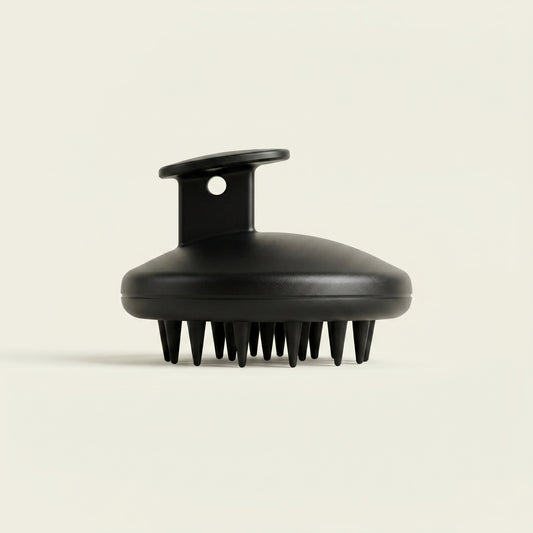
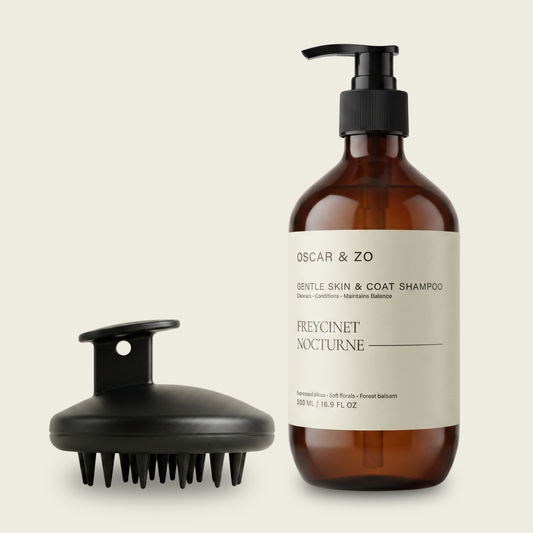
Professional grooming can be useful when a dense coat holds loose hair or is difficult to manage at home. A groomer can help with deshedding and coat maintenance, while professional drying can remove deeper moisture and lift loose hair and dander. For at-home sessions, coat-care grooming tools can support a gentle, practical routine between washes.
Keep the experience predictable: choose a quiet spot, prepare the wipe before inviting your dog over, and clean one area at a time. After a walk, for example, wipe muddy paws before your dog settles on the couch. This small step removes visible dirt before it enters the home, without adding a full bath to the day.
3. DIY oatmeal paste and baking soda deodorising
Ground oatmeal and water can make a simple paste for gentle spot cleaning. Mix them into a soft, spreadable texture, then apply a small amount to a grubby patch of coat. Work it through gently with your fingers, without vigorous rubbing. Remove the paste thoroughly with a damp cloth, then towel-dry the area. This is a local clean-up, not a substitute for washing a heavily soiled coat.
Baking soda is sometimes used to absorb surface oil and odour from a dog’s coat. If you try it, sprinkle lightly, massage it gently into the fur, then brush it out thoroughly. Work in a ventilated space and keep your dog calm while you brush. Afterwards, check for powder left near the skin, especially in dense areas where residue can be harder to see.
Powdered deodorising products work differently from a bath. They sit on the coat to absorb oil and odour, so they won’t rinse away dirt as shampoo does. Dry shampoos containing baking soda, cornstarch or oatmeal may be an option between washes. Follow the product directions and choose a formula intended for dogs, rather than assuming a household ingredient suits every coat.
Use DIY powders sparingly. Excessive or repeated powder shampoo use can clog hair follicles and affect the skin’s natural antibacterial barrier. Brush powder out fully instead of letting it build up through repeated applications. If your dog has a thick coat, part the fur into small sections as you brush, checking that powder hasn’t gathered close to the skin.
Oatmeal paste and baking soda suit different kinds of tidy-up. A paste is damp, so it needs careful removal and drying. Baking soda is a dry option, so the key step is brushing out the powder. Don’t combine the methods in one session. Choose the approach that fits the mess, then inspect the area and remove any residue.
For a comfortable routine, let your dog sniff the bowl or brush before you begin. Apply the oatmeal paste to one small patch, or sprinkle powder lightly over a limited area. Pause if your dog resists, then finish with a gentle brush-out. Keep your dog’s coat dry after using the paste, as damp fur can contribute to lingering odour. Natural oils support coat condition, so frequent powder treatments aren’t a replacement for balanced grooming and appropriate baths.
If a smell remains after cleaning the coat, deodorising may only cover it rather than address its source. Note where the odour is strongest, such as the coat, ears or paws, and choose your next grooming step accordingly.
4. Dog-safe perfume between baths
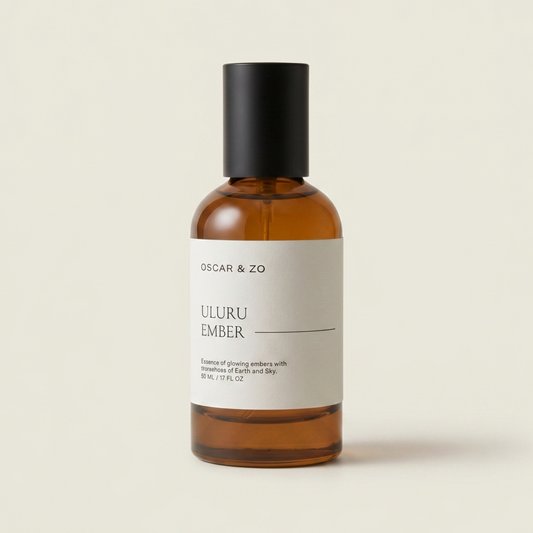
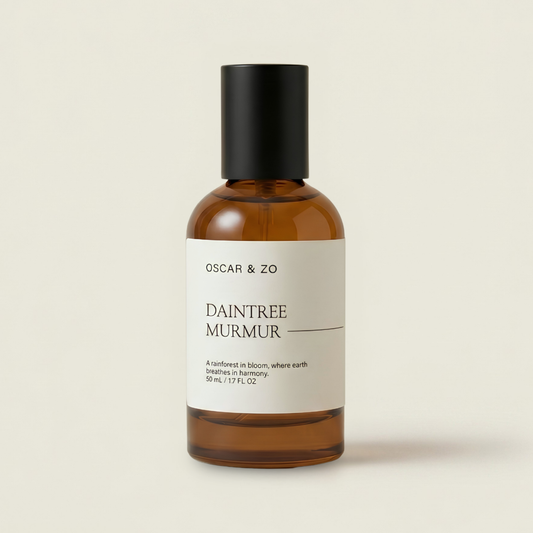
A dog-safe fragrance can add a fresh scent to a clean, dry coat between baths. It’s a finishing touch, not a way to wash away dirt or moisture. Choose a product labelled for dogs and follow its directions. Human fragrance and homemade blends aren’t substitutes for products made specifically for a dog’s coat.
Before applying anything, make sure your dog is dry and the coat is free from visible grime. Damp fur can contribute to wet-dog odour, as moisture can let odour-causing microbes thrive. Fragrance may mask smells without removing their source, and the scent may not last long. Drying and cleaning come first.
Apply the product gently and sparingly, following the label for where and how to use it. Keep it away from your dog’s eyes, nose and mouth, and don’t spray towards their face. For a nervous dog, introduce the bottle calmly, let them sniff it, then apply as directed without rushing.
Notice how your dog responds after application. If they lick, rub or scratch the treated area, stop using the fragrance and remove any remaining product according to its label. Avoid applying fragrance to irritated skin or a wound. A pleasant scent should complement a comfortable grooming routine, not distract from signs that need attention.
Choose the scent thoughtfully. Dogs experience the world through their noses, so a strong fragrance may feel overwhelming at close range. Use only enough to lightly freshen the coat, rather than layering sprays to make the scent last. Don’t add essential oils to a homemade spray; a dog-safe fragrance product provides clearer directions for use.
For a freshen-up after a walk, first remove mud from the coat and dry any damp areas. Once the fur is clean and dry, apply dog-safe fragrance as directed. This order matters: spraying over wet fur leaves the underlying moisture and odour in place, while fragrance simply adds another scent.
If the smell returns quickly, grows stronger or comes from one area, fragrance isn’t the next step. Check the coat, ears and breath for a possible source, and arrange a veterinary visit for persistent odour or signs of discomfort. A gentle fragrance suits a clean coat; it shouldn’t cover an ongoing smell from the skin or ears.
5. Can you use dry shampoo or waterless dog shampoo between baths?
Yes, a dog-specific waterless cleanser can freshen the coat between baths, including after muddy walks or travel days. It can help with surface dirt without a full wash. Choose a product labelled for dogs and follow its directions. A waterless clean isn’t the same as rinsing a soiled coat, so use it for a light refresh rather than heavy grime.
With a waterless cleanser, work in sections so you cover the coat evenly. Apply as directed, then massage the product down to the base of the coat. Pay particular attention to thicker areas, where product can remain on the outer hairs. Avoid the eyes, nose and mouth, and keep the session calm with gentle handling.
After applying the cleanser, towel your dog thoroughly. Once the coat has dried, brush it again to lift loosened dirt and separate the hairs. Check dense areas such as the chest, belly and behind the ears, where dampness can linger. Let the coat dry before brushing it.
Powder dry shampoo is another option, but it needs careful removal. Homemade powder shampoo can remain in the coat for up to five minutes before you brush it out. Lightly sprinkle baking soda over the coat, rub it in gently, then brush thoroughly. Keep powder away from your dog’s eyes and nose, and avoid creating airborne dust.
Use powder products sparingly. Frequent powder shampoo use can clog hair follicles and affect the skin’s natural antibacterial barrier. Repeated applications can also leave residue in a thick coat if brushing is incomplete. After each use, part the fur and check the skin for visible powder. Don’t add another layer to cover residue or a smell that returns.
Choose between the methods based on the mess. A waterless cleanser suits a light coat refresh after a travel day, while powder can absorb oil and odour. Neither option replaces bathing a heavily soiled coat. If a strong smell persists after cleaning, note where it comes from rather than adding more product.
For bath days, a dog shampoo provides a wash with water, while waterless options are occasional in-between care. Keep the routine simple: apply as directed, towel thoroughly when needed, and brush after the coat dries. Explore dog coat-care essentials for a considered place to begin your grooming routine.
Oscar & Zo: Skin & Coat Shampoo
Oscar & Zo Skin & Coat Shampoo is a considered next step when brushing, wipes or waterless cleaning aren’t enough for a dirty coat. Use it as part of a full bath, following the product directions, then dry your dog thoroughly before returning to your between-bath routine.
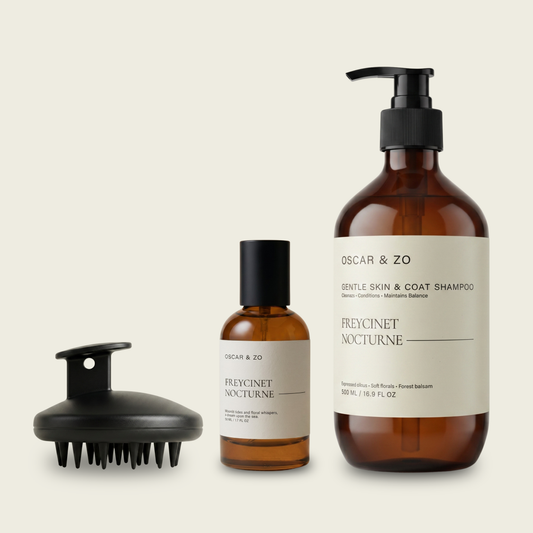
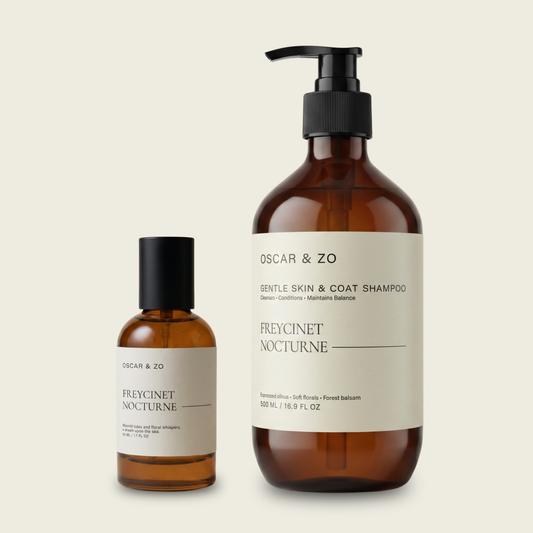
Between washes, regular brushing and targeted clean-ups can help lift everyday dirt. For a finishing touch, Oscar & Zo Pet Fragrance is made for use on a clean, dry coat. With suitable grooming tools, these products can help you shape a simple routine around your dog’s coat and daily activities.
Explore Oscar & Zo’s grooming essentials at oscarandzo.com.au, or contact the team to learn more.
Make freshness part of your dog’s everyday rhythm
A comfortable grooming routine doesn’t need to be elaborate. Notice what leaves your dog’s coat feeling fresh, what they tolerate happily and which small steps fit naturally into your days. That personal rhythm is a thoughtful starting point when working out how to make your dog smell good between baths.
For a considered place to continue, explore Oscar & Zo’s Ritual Sets alongside its grooming essentials. Choose care that suits your dog’s routine, and keep each step gentle and purposeful. If you’d like to explore the range, visit Oscar & Zo.
With a little consistency and attention to your dog’s comfort, everyday coat care can become a calm moment you share.
Frequently asked questions
Want your dog to smell fresh for weeks, not hours?
No grooming routine can promise that a dog will smell fresh for weeks. How long a clean scent lasts depends on coat type, activity and exposure to mud or rain. A dog who swims or rolls outdoors may need a different routine from one who mostly relaxes indoors. Focus on your dog’s coat and habits rather than trying to extend freshness by layering fragrance.
What is the best way to brush a dog between baths to reduce odour?
Make brushing a calm, familiar part of your dog’s routine. Let them sniff the brush, begin where they’re comfortable being touched, and pause if they move away. Keep sessions gentle rather than trying to finish the whole coat in one go. Clean the brush afterwards and store it somewhere dry, ready for the next grooming session.
Are dog grooming wipes safe for everyday use?
Follow the wipe’s label for how often to use it, and reserve wipes for areas that need cleaning. A quick paw clean after a muddy walk is different from wiping the entire coat every day. Repeated cleaning may be unnecessary when the fur is already clean. If your dog develops irritation after a wipe, stop using it and seek veterinary advice.
Which dog-safe products help keep a dog smelling fresh?
Choose a product for the task: dog shampoo for bath time, a dog-labelled wipe or waterless cleanser for local clean-ups, and pet fragrance for a clean coat. Read directions before applying products, especially if your dog has a dense or easily tangled coat. Oscar & Zo offers Skin & Coat Shampoo and Pet Fragrance for different parts of a home grooming routine.
Is human shampoo, perfume or deodorant safe to use on dogs?
No. Human shampoo can irritate a dog’s skin and strip the coat, while human perfume and deodorant aren’t made for canine grooming. Keep personal care products separate from your dog’s grooming supplies, including sprays kept near the bath. Choose products labelled for dogs and follow their instructions. If a product gets into your dog’s eyes or causes discomfort, contact your veterinarian.
How can you clean a dog's ears, paws and skin safely between baths?
Use a separate clean, damp cloth for paws and visible dirt on the skin, then dry the areas gently. For ears, wipe only the parts you can see; don’t insert cotton buds or cloth into the canal. Keep cleaning calm and stop if your dog shows pain or pulls away. Redness, swelling, discharge or a persistent smell calls for veterinary advice.