


Tear-free puppy shampoo options and how to choose gently

For tear-free puppy shampoo in Australia, choose a gentle formula made for puppies and follow its label directions. A tear-free claim can help you compare products, but it doesn’t mean shampoo is safe in your puppy’s eyes. Keep it away from the eyes and rinse the coat thoroughly.
Bath time can become a gentle part of settling into life with a puppy. Choosing a suitable shampoo means looking beyond the words on the bottle: consider the ingredient list, your puppy’s coat and skin, and how the product fits your routine.
This guide explains what to look for in a gentle shampoo, which ingredients may suit or concern you, and how to compare bottle sizes for your routine. You’ll also find simple bathing tips to help make wash day calmer, from using lukewarm water to rinsing away residue. With a little care in choosing and using a product, bath time can become a more comfortable ritual for you and your puppy.
Key Takeaways
- Choose shampoo made for puppies, and compare the ingredient list with your puppy’s skin and coat needs.
- Oatmeal or aloe vera may be soothing ingredients, while human shampoo isn’t suited to a dog’s skin.
- A tear-free label doesn’t mean shampoo should go in your puppy’s eyes; keep it away from their face during bath time.
- Use the 473 mL bottle size as a reference when weighing how much shampoo your routine may need.
- For a specific skin concern, ask your veterinarian whether a medicated shampoo is suitable.
Choosing gentle, tear-free puppy shampoo
In Australia, shampoo prices vary by bottle size and formula. Compare the price with the volume and the product directions, rather than choosing on price alone.
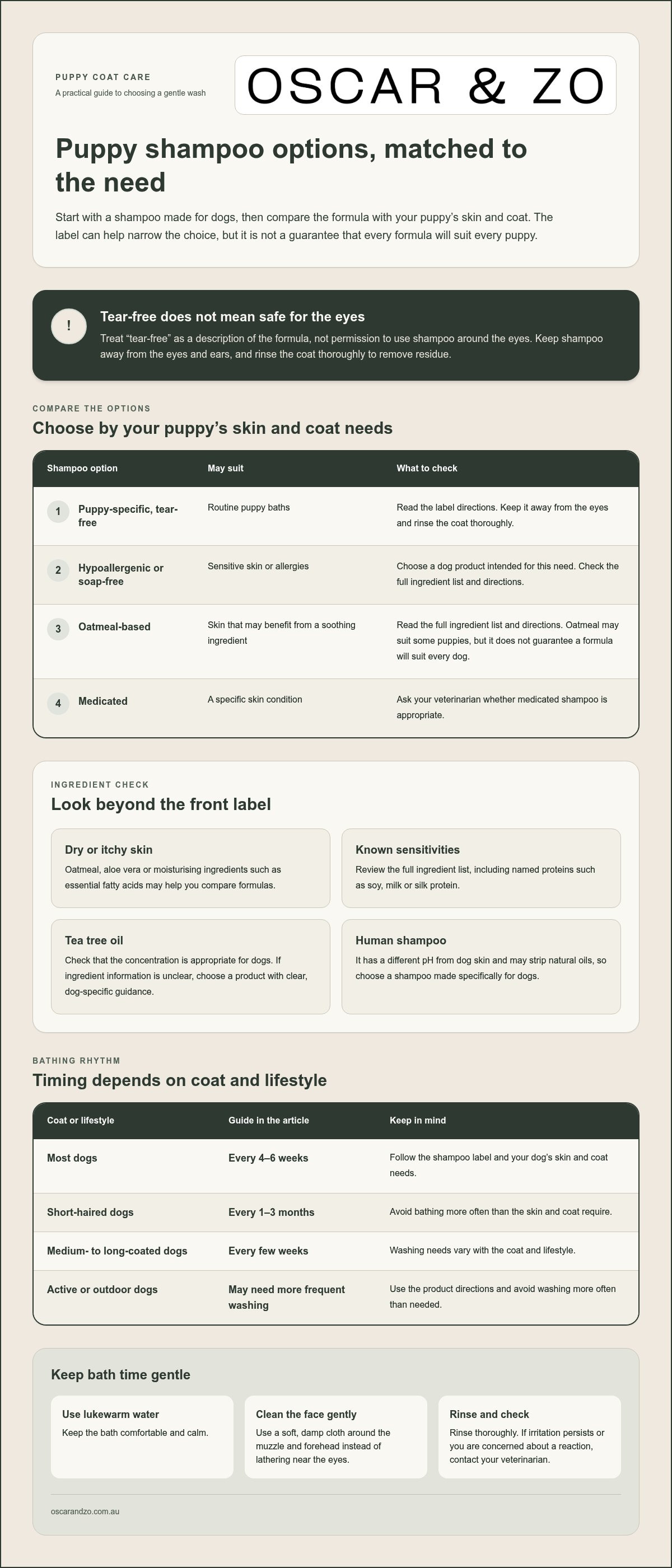
“Tear-free” doesn’t mean shampoo is safe in a puppy’s eyes. Treat the label as a description of the formula, not permission to use it around the eyes. Keep shampoo away from the eyes and ears, and rinse the coat thoroughly to remove residue that could irritate the skin.
Start with a shampoo labelled for puppies, and choose a dog-specific formula rather than human shampoo. Human shampoo has a different pH from dog skin and may strip its natural oils. Then consider your puppy’s skin and coat. For sensitive skin or allergies, a hypoallergenic, soap-free or oatmeal-based product may be suitable. If your puppy has a diagnosed skin condition or ongoing irritation, ask your veterinarian whether medicated shampoo is appropriate.
Washing needs differ by coat and lifestyle. Most dogs benefit from a bath every 4-6 weeks, while active or outdoor dogs may need more frequent washing. Short-haired dogs may need bathing every 1-3 months; medium- to long-coated dogs may need it every few weeks. Follow the shampoo label, and avoid bathing more often than your puppy’s skin and coat require.
For your puppy’s face, use a soft, damp cloth instead of lathering shampoo near the eyes. Wipe gently around the muzzle and forehead, keeping water and product away from the eyes and ears. Use lukewarm water for the bath, rinse the body thoroughly, then pat the face dry with a clean towel.
Use this comparison to narrow down your choice:
| Option | Best suited to | What to consider |
|---|---|---|
| Puppy-specific, tear-free shampoo | Routine puppy baths | Check label directions and keep it away from eyes. |
| Hypoallergenic or soap-free shampoo | Sensitive skin or allergies | Choose a dog product intended for this need. |
| Oatmeal-based shampoo | Skin that may benefit from a soothing ingredient | Read the full ingredient list and directions. |
| Medicated shampoo | A specific skin condition | Use with veterinary guidance. |
Choose a puppy-specific shampoo that suits your dog’s skin and coat, and follow its directions carefully.
When deciding between these options, start with the need you are trying to address: routine washing or skin that is sensitive or affected by allergies. Dogs with sensitive skin or allergies may benefit from hypoallergenic, soap-free or oatmeal-based shampoo designed to soothe irritation. Treat those descriptions as a way to narrow the choice, not as a guarantee that every formula will suit every puppy. Keep the selection focused on a dog shampoo intended for your puppy’s situation, and read the product directions before bathing.
If more than one option seems relevant, compare the descriptions and choose the one that best matches your puppy’s skin needs. Avoid assuming that a particular ingredient or label is automatically the right fit; the aim is to select a gentle formula designed for the concern you have identified. If irritation is ongoing or you are uncertain which type is appropriate, seek veterinary guidance before changing the bathing routine. Once you have chosen a product, use it according to its directions and keep the bath gentle.
Helpful and potentially unsuitable shampoo ingredients
Read the ingredient list as carefully as the front label. Oatmeal or aloe vera may suit a puppy with dry or itchy skin. A moisturising formula containing aloe vera or essential fatty acids may also be an option for dogs prone to dandruff or dry skin. These ingredients can help you compare products, but they don’t guarantee that a formula will suit every dog.
Choose a shampoo made specifically for dogs. Human shampoo has a different pH from dog skin and can strip natural oils, so even a product described as gentle may not be a suitable substitute. Match the shampoo to your puppy’s needs and follow its directions.
Pay close attention to tea tree oil on a dog shampoo label. Its use should be limited to concentrations appropriate for dogs. An ingredient isn’t automatically suitable just because it appears in a pet product. If the directions or ingredient information are unclear, choose a product with clear, dog-specific guidance.
A shampoo’s ingredient list may include olive oil, keratin amino acids, silk protein, soy protein or milk protein. These names describe ingredients, not a guarantee that the formula will suit every puppy. Consider your dog’s known sensitivities and coat needs, and compare the full label rather than relying on one highlighted ingredient.
A simple label check can keep the choice practical:
- For dry or itchy skin: look for oatmeal, aloe vera or moisturising ingredients such as essential fatty acids.
- For a puppy’s routine: select a dog shampoo with clear directions for use.
- For tea tree oil: check that the concentration is appropriate for dogs.
- For known sensitivities: review the full ingredient list, including named proteins.
If shampoo irritates your puppy’s eyes or skin, rinse the area thoroughly with clean water and stop using the product. Contact your veterinarian if the irritation persists or you’re concerned about your puppy’s reaction.
Apply shampoo only as directed, and rinse thoroughly so residue doesn’t remain on the coat. For a considered approach to everyday coat care, explore gentle dog grooming essentials.
Gentle shampoo options for puppies
Tear-free puppy shampoo and fragrance-free shampoo describe different qualities. “Tear-free” is a product claim; “fragrance-free” means no fragrance has been added. Sensitive-skin formulas are designed with skin needs in mind, so read the ingredients and directions rather than treating these labels as interchangeable. For tear-free puppy shampoo in Australia, compare the product’s intended use with your puppy’s age, coat and skin needs.
Australian pet parents can compare puppy-specific tearless shampoos, fragrance-free dog shampoos and sensitive-skin formulas. An aloe vera-scented tearless puppy shampoo is one example of a scented option; a fragrance-free product may suit households that prefer no added scent. Before choosing, check the label for puppy suitability, directions and the full ingredient list.
Choose according to your puppy’s needs, not one front-label claim. For routine washing, start with a product made for puppies. For sensitive skin, compare dog shampoos labelled hypoallergenic or soap-free, or formulas containing oatmeal. For dry skin, a moisturising dog shampoo with aloe vera or essential fatty acids may be another option. A tear-free claim alone doesn’t tell you whether a formula is fragrance-free or intended for sensitive skin.
Use this quick comparison to narrow down the options:
- Puppy-specific tearless shampoo: suits a puppy’s bath routine; keep it away from the eyes.
- Fragrance-free shampoo: suits households wishing to avoid added fragrance; check it’s made for dogs.
- Sensitive-skin shampoo: look for dog-specific directions and ingredients such as oatmeal.
- Moisturising shampoo: consider formulas with aloe vera or essential fatty acids for dry skin.
Medicated shampoo is a separate category for puppies with a known skin condition. A veterinarian can advise whether it’s appropriate. Medicated formulas aren’t simply another version of tear-free or fragrance-free shampoo; the choice depends on the condition being addressed.
Before bathing, read the full label, check the intended use, and follow the application and rinsing directions. Use lukewarm water, keep shampoo away from your puppy’s eyes and ears, and rinse the coat thoroughly. A tear-free claim doesn’t mean shampoo should go into the eyes. For the face, use a soft, damp cloth instead of applying shampoo near the eyes.
Compare a product’s purpose, fragrance and ingredients separately. This helps you choose a formula suited to your puppy’s routine rather than relying on one reassuring label.
Puppy shampoo bottle size
A tearless puppy shampoo listing gives a useful size reference: 473 millilitres, also listed as 16 fluid ounces. For Australian pet parents comparing bottles, these details help distinguish the amount of shampoo from the weight of the packaged item.
Bottle volume alone won’t tell you how many baths you’ll get. The amount used depends on your puppy’s size and coat length, the directions on the label, and how often bathing suits their routine. A small puppy with a short coat may need less per wash than a larger puppy with a longer coat. Follow the product directions instead of estimating an amount from the bottle size.
Think about your household’s bathing routine before choosing a bottle. If your puppy has occasional baths, a bottle that fits your storage space and routine may be more practical than the largest size available. If you care for several dogs or wash a puppy with a longer coat, you may use the same bottle more often. Either way, the amount used per bath matters as much as the printed volume.
Use these steps to compare bottle sizes without guessing how long a bottle will last:
- Read the volume: compare millilitres first, as this is the clearest way to compare bottle contents.
- Check the directions: look for instructions on application and whether the shampoo should be diluted.
- Think about coat needs: a short coat and a longer coat may require different amounts during washing.
- Match your routine: consider how often your puppy is bathed and how many dogs share the bottle.
The 473 mL, or 16-fluid-ounce, listing can serve as a comparison point when shopping for puppy shampoo in Australia. It isn’t a recommended amount for every household. A bottle’s suitability depends on the amount used per wash, the coat being cleaned, and your bathing routine.
Storage matters, too. Choose a bottle that’s easy to handle beside the bath or washing area, and close the cap after each use. Keep the label readable so you can refer to the directions between baths. A manageable bottle can make it easier to dispense shampoo steadily while keeping one hand free to support your puppy.
Compare volume, directions and practicality together. The 473 mL example offers a clear reference, while your puppy’s coat and bathing routine determine which size feels suitable.
Also check what the product listing counts as part of the package. The tearless puppy shampoo listing specifies 1 bottle as an included component; this identifies the number of bottles supplied, not a different measure of the shampoo’s volume. When comparing options, keep the included-component count separate from the bottle size and the item weight. That distinction can help you read listings consistently, especially when product details present contents and packaging information side by side. Confirm that the description matches what you want to store and use, then rely on the label for application guidance rather than treating package count as an indication of how much to apply.
What puppy shampoos in Australia are labelled tear-free?
An Australian product listing describes a tearless puppy shampoo as a moisturising shampoo for dogs. It’s a specific example, not a guide to every tear-free option available nationally. Retail listings can change, so treat the title and description as a starting point, then read the details on the product page.
Product titles may use “tear-free” or “tearless” to describe a shampoo. Search both terms when browsing Australian retailers, and check that the listing is for puppy shampoo rather than another grooming product. A clear title helps you identify the item before comparing its details.
Read the full description instead of relying on a search result snippet. For example, a tearless puppy shampoo listing describes the product as moisturising for dogs. That tells you how the listing presents the formula, but it doesn’t replace the product directions or show that it suits every puppy.
Use a simple listing check before making a choice:
- Product type: confirm the item is shampoo, not a wipe, spray or conditioner.
- Intended animal and age: look for wording that identifies puppies as suitable users.
- Claim wording: note whether the retailer says “tear-free” or “tearless”.
- Description: read the product details alongside the title, not as a substitute for it.
Retailer categories can narrow your search, but the product page is where you can compare details. If a search result only says “tearless puppy shampoo”, open the listing and read the full description. Note the exact product name so you can compare like with like across pages.
Don’t assume that every shampoo described as gentle carries a tear-free claim. The phrases mean different things. Record the exact wording used for each product instead of grouping all puppy shampoos under one broad description. This makes it easier to choose based on the stated purpose.
For Australian shoppers, the practical answer is to look for puppy shampoo explicitly labelled “tear-free” or “tearless”. The available listing example is described as a moisturising dog shampoo. Read the complete product description to understand its claims, then decide whether it suits your puppy’s routine.
An Australian listing describes a tearless puppy shampoo as a moisturising shampoo for dogs. Check the product page for its exact name and details.
The section identifies an Australian listing for a tearless puppy shampoo described as moisturising for dogs, but doesn’t give a retailer or exact product name.
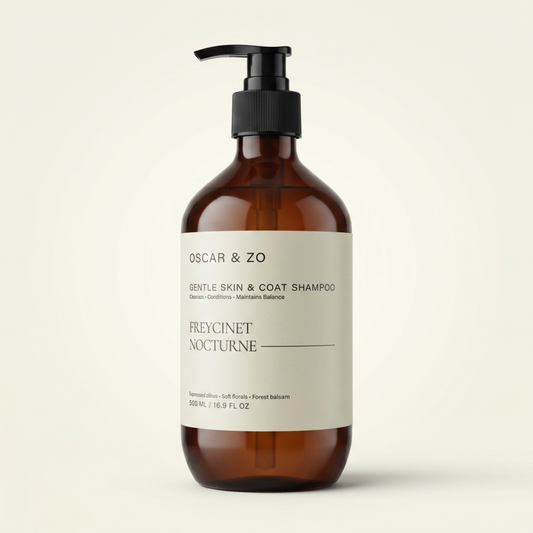
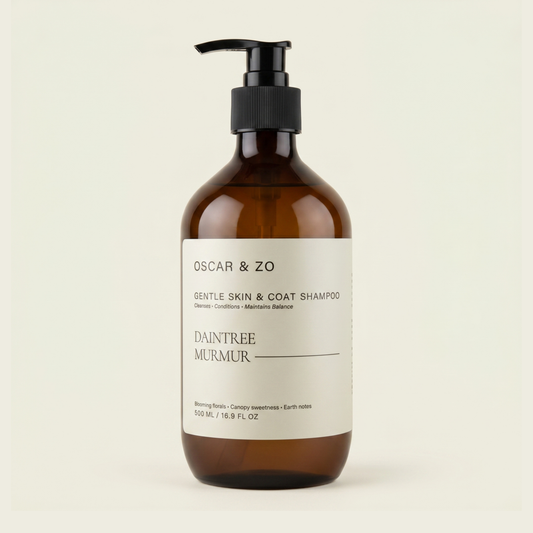
Oscar & Zo: Skin & Coat Shampoo
Oscar & Zo’s Skin & Coat Shampoo is an option for regular coat care, supporting a soft coat as part of your puppy’s grooming routine. Choose a shampoo that suits your puppy’s needs and follow its label directions at bath time.
If you specifically need a tear-free formula, assess that requirement separately and keep shampoo away from your puppy’s eyes. For a particular skin condition or ongoing irritation, your veterinarian can advise whether medicated shampoo is suitable. Keep bath time calm and unhurried: prepare a towel, use lukewarm water and rinse thoroughly.
Explore Oscar & Zo’s Skin & Coat Shampoo as part of your everyday grooming ritual, or visit oscarandzo.com.au to learn more.
Make gentle care part of your routine
Choosing tear-free puppy shampoo in Australia is one part of creating a calm grooming routine. Let your puppy’s comfort guide each bath, and keep the experience gentle, familiar and unhurried. With time, washing and brushing can become small moments of connection rather than a task to rush through.
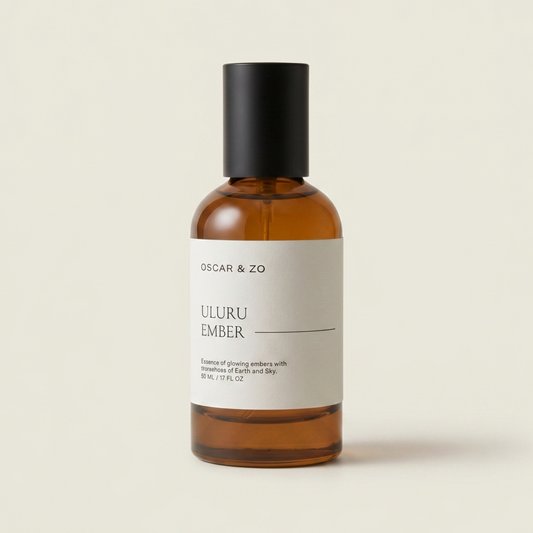
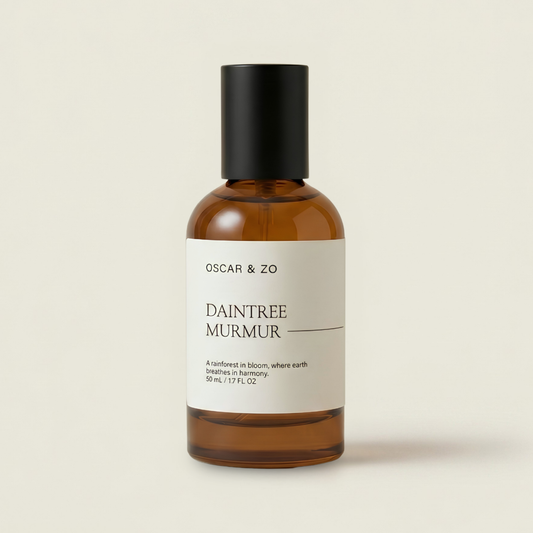
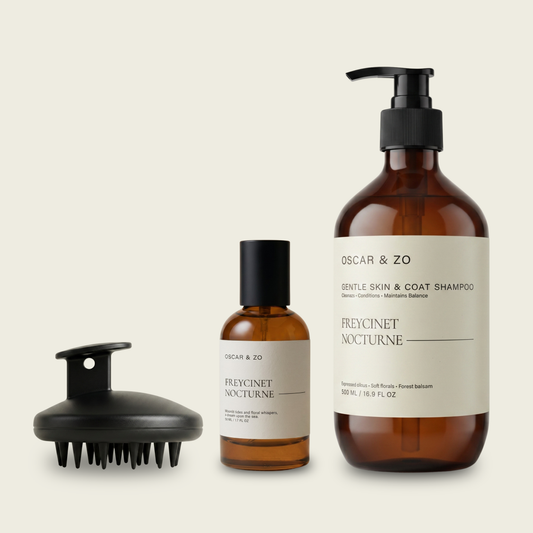
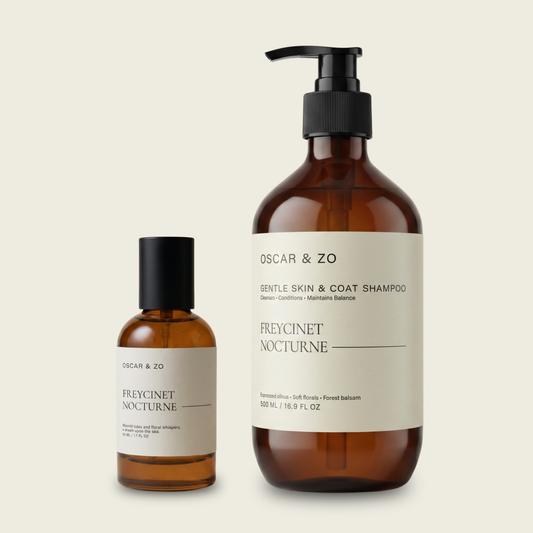
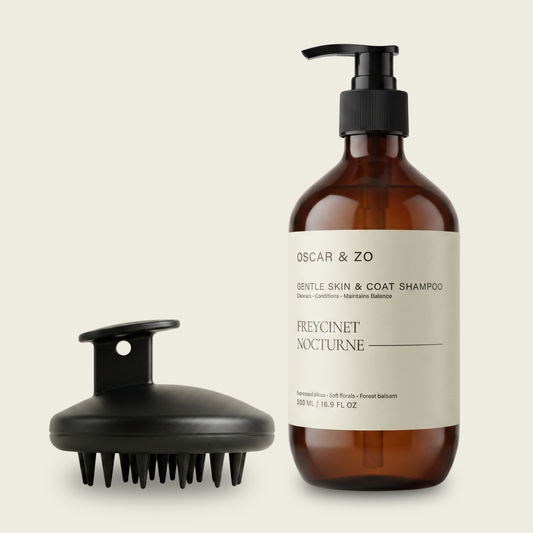
For everyday coat care, Oscar & Zo offers Skin & Coat Shampoo, alongside Pet Fragrance and Ritual Sets. Choose the products that fit naturally into your routine, and use each according to its directions. If you’d like to explore Oscar & Zo’s grooming care, you’re warmly invited to contact Oscar & Zo for puppy shampoo help.
With a thoughtful choice and gentle handling, you can help your puppy’s care routine feel settled and reassuring.
Oscar & Zo for Puppy Grooming
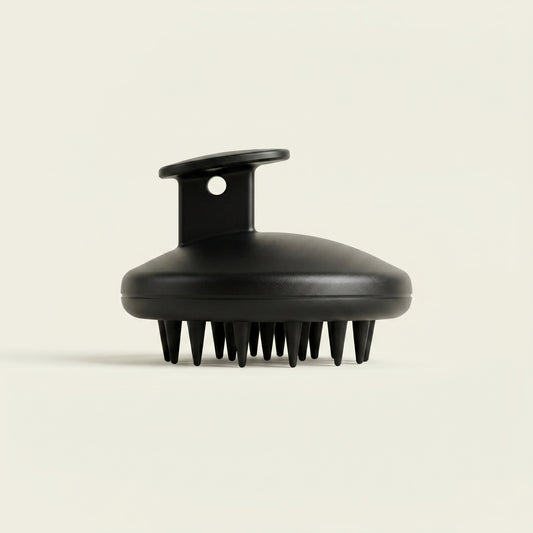
Oscar & Zo offers Skin & Coat Shampoo, Pet Fragrance, Ritual Sets, Grooming Tools and a Discovery Set. If you’re choosing a tear-free puppy shampoo in Australia, consider the shampoo as the next step in your search.
Explore the other offerings if you’re looking beyond shampoo for grooming essentials or a discovery option.
Frequently asked questions
What ingredients should I look for or avoid in tear-free puppy shampoo?
Read the complete ingredient list and compare it with anything your puppy has reacted to before. For example, a shampoo may include proteins such as soy or milk protein, so check the list if your puppy has a known sensitivity. A tear-free claim doesn’t mean every ingredient will suit your dog. If you’re unsure about an ingredient or your puppy develops a reaction, stop using the product and speak with your veterinarian.
How often can you bathe a puppy with shampoo?
Let your puppy’s coat, activity and skin condition guide how often they need a shampoo bath, rather than following a rigid calendar. If only the paws or a small patch are dirty, wipe that area with a damp cloth instead of shampooing the whole coat. Save a full wash for when the coat needs it, follow the product directions, and ask your veterinarian about a schedule for a specific skin concern.