


Set a Brushing Routine for Different Cavoodle Coat Types

The best brush for a Cavoodle in Australia depends on its coat: a slicker brush can suit curly or woolly coats, while a pin brush is useful for silky, straight or wavy coats. Brush thick, Poodle-like curls every day or every second day, and straighter or wavier coats two to three times a week. Use a slicker with a light touch to work through tangles and loose hair without scratching the skin.
It can be hard to tell whether a knot calls for a different brush or simply a gentler touch. Regular, comfortable brushing helps keep a Cavoodle’s coat manageable, and short sessions can make the routine easier for you both.
This guide explains what a slicker brush does, how to choose tools for different coat types and how often to brush each one. You’ll also find practical ways to make brushing a calm part of everyday care.
Key Takeaways
- Match the brush to your Cavoodle’s coat: a pin brush suits straighter or wavier hair, while a slicker can help with curls and woolly coats.
- Use a slicker with a light touch, working through small sections rather than pressing the wire pins against the skin.
- Set a brushing rhythm around coat texture, with curlier coats generally needing more frequent attention.
- Run a steel comb through brushed sections to find tangles that may be hidden beneath the surface.
- Make grooming easier to maintain by keeping sessions gentle and paying attention to areas where knots tend to form.
1. Choosing brushes by coat type and grooming purpose
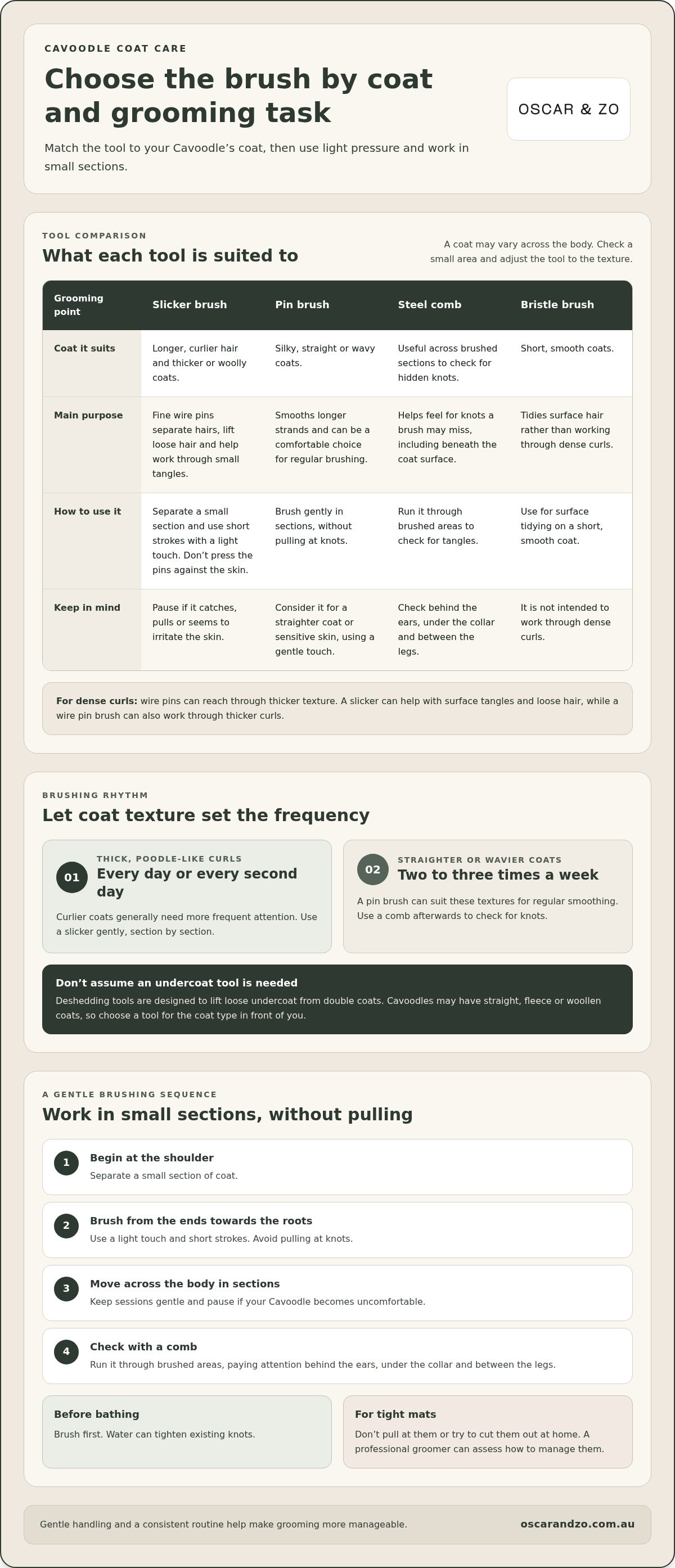
Cavoodles can have straight, fleece or woollen coats. Their coat texture helps determine which brush will work comfortably and effectively. A pin brush suits silky, straight or wavy coats, while a slicker can help with tangles in longer, curlier hair. For a thick or woolly coat, wire pins can reach through the denser texture. The best brush for a Cavoodle in Australia is the one that suits its coat and lets you brush gently, section by section.
Match the tool to the task. Use a pin brush to smooth a straighter coat and a slicker to work through loose hair or tangles in curls. A comb can help you feel for knots a brush may miss, especially around the ears, under the collar and beneath the legs. Brush before bathing, as water can tighten existing knots. Regular grooming helps manage loose hair and reduce matting.
For a Cavoodle puppy or a dog with sensitive skin, begin with a light touch and short sessions. A gently used slicker can suit puppies as they become familiar with grooming, but stop if the pins seem to irritate the skin. Let your puppy sniff the brush, then brush one small area before pausing calmly. If brushing feels uncomfortable, try a pin brush on a straighter coat and keep each session brief.
Build the routine from manageable steps. Start at the shoulder, separate a small section of coat, then brush from the ends towards the roots without pulling. Work across the body in sections and finish by running a comb through the brushed areas. Check behind both ears, under the collar and between the legs, where knots can form quickly. Make brushing familiar from puppyhood with gentle handling and a consistent sequence.
Seek help from a professional groomer if you find tight mats that won’t loosen with gentle brushing. Don’t pull at them or try to cut them out at home, as the coat sits close to the skin. A groomer can assess the mat and choose an appropriate way to manage it. Keep up routine brushing between appointments to help stop knots becoming harder to handle.
Brush prices in Australia depend on the tool’s design, size and materials. A basic pin brush, slicker brush and steel comb serve different purposes, so compare the type and construction that suit your Cavoodle’s coat rather than choosing by price alone.
You can find Cavoodle grooming brushes at Australian pet-supply retailers and online stores. Choose a pin brush, slicker or comb to suit your dog’s coat, then use light pressure and check the skin as you brush.
The wrong brush can tug at knots, irritate skin or fail to reach tangles in a dense coat. Pressing a slicker too firmly may scratch the skin, while a brush that doesn’t suit the coat can leave hidden knots behind. If your Cavoodle flinches or resists, pause and adjust your touch or tool.
2. What is a slicker dog brush used for?
A slicker brush has fine wire pins that help separate coat hairs and lift loose hair as you brush. It’s particularly useful where longer curls hold small tangles near the surface. Think of it as a section-by-section tool, not a brush to drag quickly over the whole dog. Keep the pins moving with light pressure, and change direction gently if the coat catches.
For a straight or wavy Cavoodle coat, a pin brush is often a comfortable choice for regular smoothing. Its pins move through longer strands without concentrating as much contact in one small area. A bristle brush can suit a short, smooth coat, where the aim is to tidy surface hair rather than work through dense curls. Match the tool to the coat in front of you.
Thicker, curly or woolly coats may need wire pins that can reach into their texture. A slicker can help loosen surface tangles and loose hair, while a wire pin brush can also work through thicker curls. Use short strokes and separate the coat with your free hand. If the brush pulls at the skin or catches firmly, pause rather than forcing it through.
Brushing frequency should reflect how readily the coat tangles. Thick, Poodle-like curls generally need attention every day or every second day; straighter or wavier coats can be brushed two to three times a week. Between sessions, check areas compressed by movement or contact, such as the coat beneath a harness. If those sections repeatedly knot, give them closer attention next time you brush.
Deshedding tools serve a different purpose from slickers and pin brushes. They’re designed to lift loose undercoat from double coats, not to smooth every Cavoodle coat. A Cavoodle’s coat may be straight, fleece or woollen, so don’t assume an undercoat tool is needed. If your dog has a clearly dense undercoat, use a tool intended for that coat type and avoid repeated passes over one patch.
Before choosing a brush, look at the coat’s length, density and texture, then decide whether you’re smoothing, loosening a small tangle or lifting loose undercoat. A wavy back and curlier legs, for example, may respond differently to the same brush. Test a small area first, keep the pressure gentle and stop if your Cavoodle becomes uncomfortable. This simple check helps you choose a suitable tool for each grooming task.
3. Choosing a curved slicker brush, steel comb and detangling spray
A curved slicker brush is designed to follow the body’s shape as you work across the coat. When choosing one, consider whether you can hold it steadily and control each short stroke. The brush should sit comfortably in your hand, so you can separate coat sections without pressing down. For example, start at the shoulder and move gradually towards the chest, adjusting your grip as you reach smaller areas.
Detangling spray can help prepare a curly coat for brushing. Lightly mist a small section rather than soaking the coat, then separate the hairs with your fingers. Start at the ends of the strands and work towards the roots with gentle strokes. If a small knot remains, focus on that section instead of repeatedly brushing the surrounding coat. Follow the product’s directions for use.
Work in a calm, consistent order so you can tell which areas are finished. For instance, brush one side of the body, check it with the comb, then move to the other side. Keep your free hand near the section being brushed to steady the coat without pulling the skin. Around the face or paws, use especially controlled strokes and stop if your dog shifts away.
A two-sided stainless steel comb offers wide and narrow teeth for checking different parts of the coat. Use the wider side first on a broad section, then turn to the narrower teeth for detail around areas such as the ears. Let the comb pass through without force. If it catches, ease the hair apart with your fingers and reassess the knot rather than tugging at it.
Do Cavoodles need a pin brush, comb, or both? A brush works through the coat, while a comb checks the finished section for snags. Using both gives you a clear sequence: brush gently, then comb through before moving on. Choose the brush to suit the coat texture, and use the comb to inspect spots where hair lies close to the skin.
Which Australian Cavoodle brush brands or products do groomers recommend? Choose tools by function rather than relying on a brand name: a curved slicker for curly coats and a steel comb with wide and narrow teeth for checking detail. Australian availability doesn’t change the fit that matters most. A tool should let you work carefully, maintain a light touch and stop readily when a tangle resists.
4. Brushing frequency for different Cavoodle coat types
Many Cavoodles benefit from brushing three to five times a week. Coat texture guides where your dog sits within that range. A straighter coat may stay manageable with fewer sessions, while tight curls can knot quickly and need more frequent attention. Use a steel comb after brushing to spot tangles early, especially around the ears, collar and legs.
For thick, Poodle-like curls, brush every day or every second day. This frequent routine helps you work through the dense coat before small knots become harder to manage. Focus on one section at a time, including beneath the legs and behind the ears. If a comb catches, don’t pull; gently loosen the surrounding hair and try again.
Straighter or wavy Cavoodle coats generally need brushing two to three times a week. Choose a pin brush to work through the coat, then check each section with a comb. If you find recurring knots between sessions, brush closer to three times weekly. For a fleece coat, check how readily it tangles and adjust the schedule to suit its texture.
Daily brushing doesn’t need to mean a long session. Divide the coat into sections and focus on the areas that tangle most, such as the ears, collar line and legs. If your Cavoodle dislikes brushing, start with two or three minutes and build gradually. Five calm minutes can be more useful than a longer session that becomes stressful.
Keep a simple weekly rhythm. For a straighter coat, choose three set days, such as Monday, Wednesday and Saturday. For dense curls, make a short brush-out part of the daily routine, or brush every second day if the coat stays free of knots. Check the whole coat with a comb after each brush so hidden tangles don’t go unnoticed between sessions.
Home brushing and professional grooming serve different purposes. Cavoodles and other Oodles typically have grooming appointments every six to eight weeks, while brushing at home maintains the coat between visits. Before bathing, brush out loose knots because water can tighten them. If you find tight mats that resist gentle handling, don’t pull them apart; seek help from a professional groomer.
Let the coat’s condition guide small adjustments. If a comb moves smoothly through the coat, your current schedule is likely working; repeated snags in the same area may mean it needs more attention. Keep sessions gentle, use a brush suited to the coat and check the skin as you go. A consistent routine makes it easier to notice changes before matting builds.
5. What are the best-rated brushes for Cavoodles available in Australia?
There isn’t one highest-rated brush that suits every Cavoodle coat. A useful shortlist starts with coat type and the brush’s intended purpose, then considers how comfortably you can handle it. A review from an owner of a curly-coated dog may be more relevant to your Cavoodle than one about a short, smooth coat. Look for descriptions that explain the reviewer’s coat type and grooming needs.
Read reviews for practical details, not just the star score. Comments about control, comfort in the hand and ease of cleaning can help you picture everyday use. For example, a brush that feels manageable during a short grooming session may be more useful than one praised only for its appearance. Notice whether reviewers explain how they use the tool rather than relying on a general claim that it works well.
Check the brush size against your dog and the areas you need to groom. A compact head may be easier to guide around smaller areas, while a broader head may cover larger sections more readily. Consider the handle shape and grip, too. If you struggle to keep the brush steady, it can be harder to control pressure and make careful strokes around your Cavoodle’s body.
Consider construction and upkeep before buying. The handle should feel secure, and the brush should be easy to clean after loose hair collects between its pins or bristles. Read the care instructions to learn how to remove hair without damaging the tool. For online listings, clear descriptions of materials, dimensions and intended coat types make accurate comparisons easier.
Reviews can also help identify what a brush isn’t suited to. If several reviewers describe discomfort, poor control or difficulty using it on a similar coat, weigh those details alongside positive ratings. A high score alone doesn’t explain whether the tool suits your dog’s texture, coat length or your grooming technique. Treat ratings as one part of the decision, not a substitute for matching the brush to your needs.
For Australian shoppers, compare product information from pet-supply retailers and online stores. Check that the listing clearly identifies the brush style and intended use, and look for feedback from owners describing similar coats. If you can handle a brush in person, consider its balance and grip before choosing. These practical checks can help you make a considered choice, whether you’re buying a first brush or replacing one that no longer suits your Cavoodle.
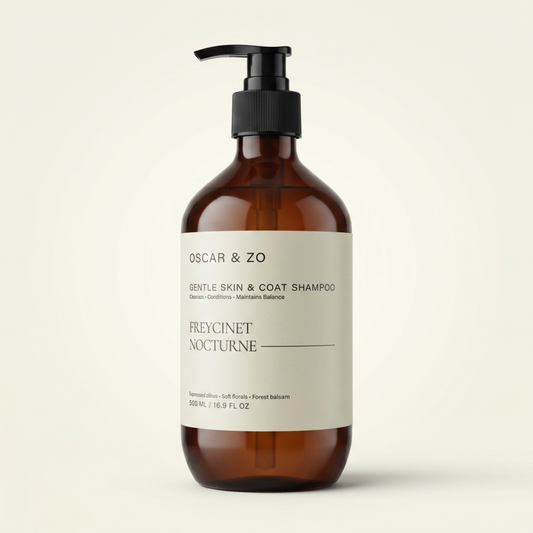
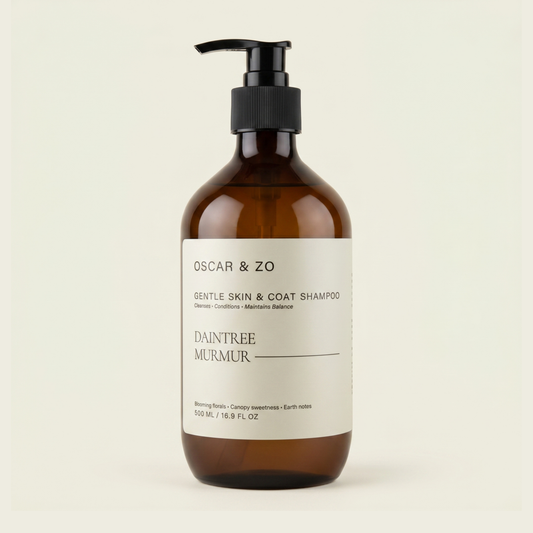
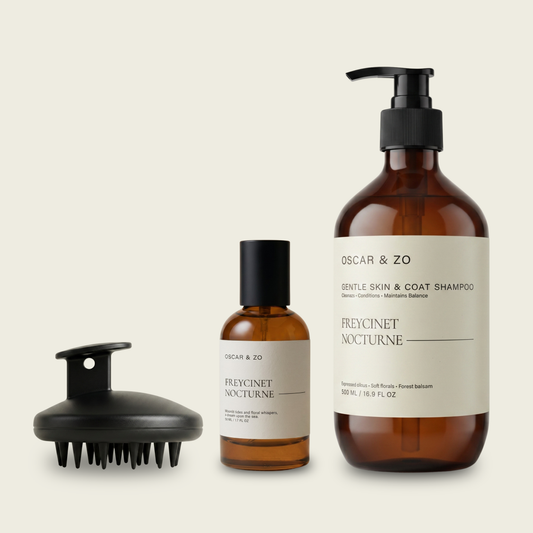
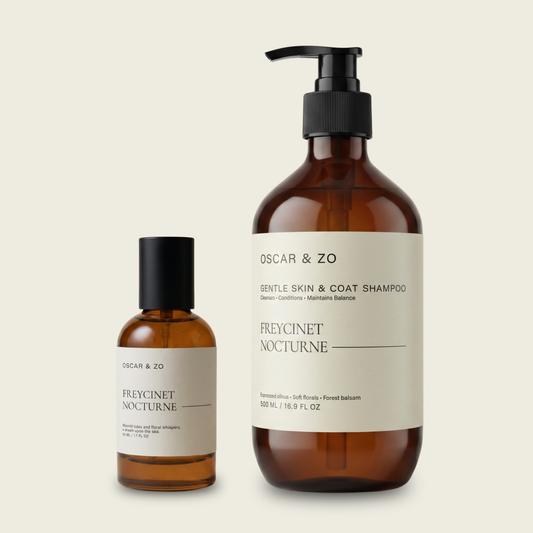
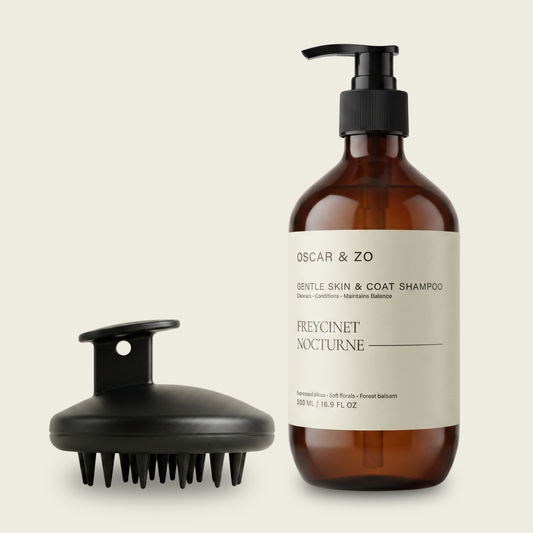
Oscar & Zo: Skin & Coat Shampoo
Oscar & Zo Skin & Coat Shampoo can complement your Cavoodle’s bathing routine alongside regular brushing and comb checks. Once you’ve worked through the coat, bath time is a natural opportunity to use shampoo as part of everyday coat care. Brush before bathing, and take care not to soak or pull at any remaining knots.
A consistent routine brings together the right brush, a gentle approach and thoughtful bathing. Choose tools to suit your Cavoodle’s coat texture, and keep brushing between baths to manage tangles. Explore Oscar & Zo’s considered grooming essentials for your pet.
Make grooming a calm part of the day
A brushing routine can become a small moment of connection, shaped around your Cavoodle’s comfort and coat. Notice which parts feel easiest, which areas need a lighter touch, and how your dog responds as the routine becomes familiar. The best brush for Cavoodles in Australia is ultimately the one that suits your dog’s coat and supports gentle, consistent care.
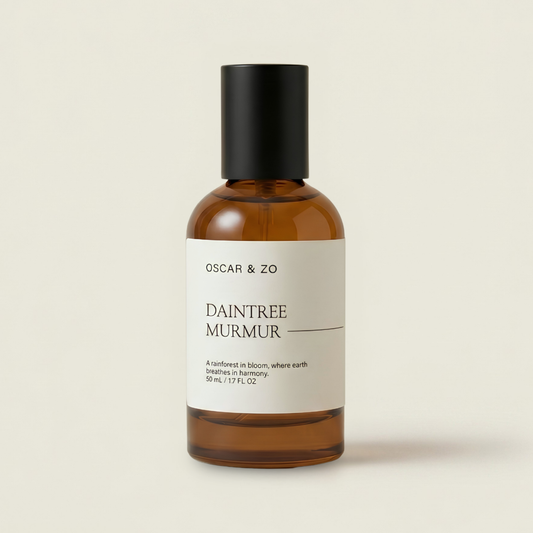
For the moments around brushing, Oscar & Zo offers Skin & Coat Shampoo, Pet Fragrance and Ritual Sets. These can complement your wider grooming routine, from bath time to the quiet care that follows. Choose what feels useful for your household, and let your Cavoodle’s needs guide the pace.
If you’d like to explore Oscar & Zo’s approach to everyday pet care, visit Oscar & Zo. Small, thoughtful steps can help make grooming feel more settled for you both.
Oscar & Zo for Cavoodle Grooming
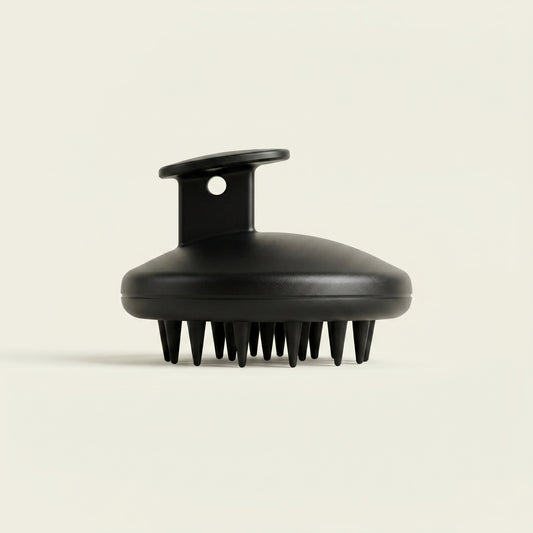
Oscar & Zo offers Grooming Tools for readers choosing a brush for a Cavoodle. Once you’ve settled on a brush, explore these tools for the next steps in your grooming routine.
For coat care alongside brushing, explore Skin & Coat Shampoo, Pet Fragrance, Ritual Sets or the Discovery Set.
Frequently asked questions
What is a slicker dog brush used for?
A slicker brush helps loosen tangles and loose hair in longer, curly or dense coats. On a Cavoodle, use it carefully on a small section, especially where curls tend to gather. Keep the pins moving lightly over the coat rather than pressing down. If the brush catches on a tight knot, stop and ease the coat around it instead of pulling the slicker through.
What type of brush is best for a Cavoodle’s curly or wavy coat?
For tight curls, choose a slicker brush; for a wavy coat, a pin brush may feel more suitable. If your Cavoodle has a mix of textures, assess how each section responds rather than using one tool everywhere. The brush should move through the hair without force. A comb can help check your work and reveal snags that aren’t obvious on the coat’s surface.
Which slicker brushes are suitable for Cavoodles without irritating their skin?
No slicker brush can guarantee irritation-free grooming, but a curved slicker used with a light touch can help you work through curls while limiting pressure on the skin. Start with a small area and watch your Cavoodle’s response. Avoid repeated strokes over the same patch. If your dog flinches, moves away or the skin looks uncomfortable, pause and reassess your technique.
How often should you brush a Cavoodle to prevent matting?
Brush thick, Poodle-like curls every day or every second day, and straighter or wavier coats two to three times a week. Use a comb to check the coat after brushing. If it repeatedly catches in the same section, give that area more attention during the next session. Keep the routine comfortable: a short, calm brush-out is a better starting point than forcing a long session.
Which Australian Cavoodle brush brands or products do groomers recommend?
Choose tools by function: a curved slicker for curly coats and a two-sided stainless steel comb with wide and narrow teeth for checking hidden tangles. Select tools that allow a light touch and careful control.