



Matted Cat Fur Solutions: Causes, Safe Care and When to Get Help

A mat is more than a knot in the coat. Loose shed fur can tangle with the hair a cat is still wearing, while a long or double coat, dirt and difficulty grooming can add to the problem. The right matted cat fur solutions depend on how close and tight the mat is: a small, loose one may be gently combed out, but a mat close to the skin needs professional help. Scissors and bathing can make matters worse.
It’s understandable to want a calm, comfortable way to care for your cat’s coat. This guide covers common causes of matting, how to choose brushes for different coats and what gentle home care may help. You’ll also learn when to leave a mat to a groomer and when changes in your cat’s grooming or coat call for veterinary advice.
Key Takeaways
- Choose a brush to suit your cat’s coat, and give short-haired cats regular brushing while long-haired cats benefit from daily attention.
- Pay extra attention to the belly, underarms and area behind the ears, where tangles can form easily.
- A change in grooming or coat condition can point to a health or mobility concern, so discuss it with your veterinarian.
- Dematting or shaving costs vary with the coat, the extent of matting and the care needed to keep your cat comfortable.
- Build a gentle grooming routine with short, calm sessions to help keep loose fur from tangling.
Are there home remedies for cat matting?
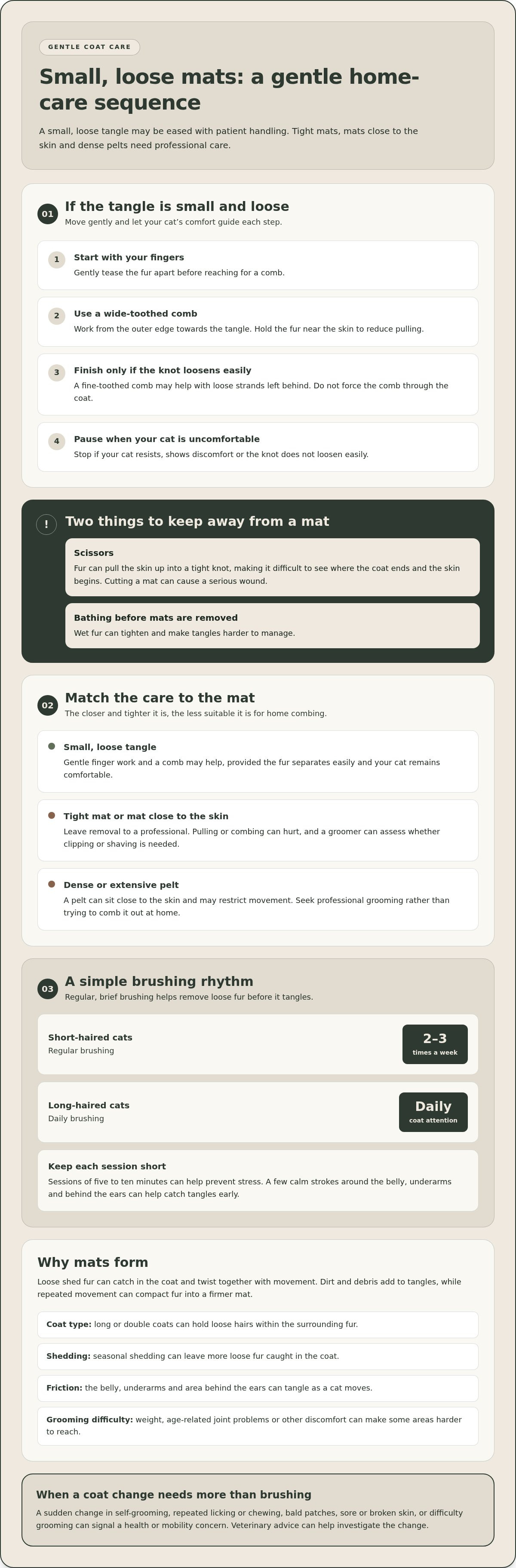
Some small, loose tangles can be eased at home with patient, gentle handling. The safest approach depends on whether the mat is loose or tight against the skin.
Scissor risks
Cutting a mat with scissors can cut your cat’s skin and cause a serious wound. Fur can pull the skin up into a tight knot, making it hard to see where the coat ends and the skin begins. This risk applies even when a mat looks small. Keep scissors away from the tangled area, especially around the belly, underarms and behind the ears.
For one small, loose mat, gently tease the fur apart with your fingers, then use a wide-toothed comb. Work from the outer edge towards the tangle, holding the fur near the skin to reduce pulling. A fine-toothed comb may help with any loose strands left behind. Pause if your cat resists, shows discomfort or the knot does not loosen easily. Don’t bathe your cat before removing mats: wet fur can tighten and make tangles harder to manage.
A mat is a local knot of tangled hair; a pelt is a dense, often extensive layer of matted fur. Pelts can sit close to the skin, restrict movement and trap moisture and bacteria. As mats tighten, they pull on sensitive skin and may cause irritation or bruising. Cats may lick or pull at them, leaving bald patches or broken skin.
Seasonal shedding can add loose fur to the coat, particularly in spring and autumn. As cats shed their winter coats in warmer weather, trapped fur can tangle with the remaining hair. Dirt and debris can also gather in the coat and add to tangles. A loose tuft may become a mat if shed fur isn’t brushed away, especially in a long-haired cat.
Brushing to prevent mats
Regular brushing removes loose hair before it tangles with the coat. Short-haired cats usually need brushing two to three times a week, while long-haired cats need daily brushing to help prevent mats. Slicker brushes and detangling combs suit different coats. Choose a tool that moves through your cat’s fur without pulling.
Keep grooming gentle and brief. Sessions of five to ten minutes can help prevent stress. A few calm strokes around the belly, underarms and behind the ears can help catch tangles early. If a mat is tight against the skin or has spread into a pelt, leave it to a professional rather than combing forcefully at home.
When to seek professional grooming or veterinary help
Seek professional grooming for severe mats, especially a flat pelt close to the skin. If your cat becomes distressed or aggressive during grooming, stop and give them space. Don’t restrain them or force the process.
Close-to-skin mats and grooming distress
A mat close to the skin needs professional removal because pulling or combing can hurt. A groomer can assess whether clipping or shaving is needed; severe cases may require light sedation to keep a cat comfortable. If grooming causes distress, aggression or repeated attempts to escape, pause rather than continuing. A calm, supported appointment is safer than a struggle at home.
Changes in grooming can also signal a health or mobility concern. Older or overweight cats may struggle to reach parts of their coat; age-related joint problems and arthritis can make bending uncomfortable. Dental pain, aching gums or other health issues may also interfere with self-grooming. If your cat starts neglecting their coat, arrange a veterinary check to investigate the change.
Overgrooming also deserves attention. Stress can lead a cat to lick or chew repeatedly, leaving bald, sore or broken patches of skin. A stressed cat may also hide and groom less, allowing their coat condition to change. Note when the behaviour began and where it occurs, then share these observations with your veterinarian.
Dematting and shaving costs in Australia
Cat dematting or shaving costs in Australia depend on the coat’s condition and the work required. A few small tangles differ from a dense pelt that needs clipping, and the time needed to handle the cat comfortably also affects the appointment. Severe matting may require extra care, so the type and extent of grooming are key cost factors.
For ongoing care, high-maintenance coats may benefit from professional grooming every six to eight weeks alongside home brushing. Short-haired cats generally need brushing two to three times a week, while long-haired cats need daily attention. These routines help you notice coat changes early, but they don’t replace professional help when a mat is tight or your cat cannot tolerate grooming.
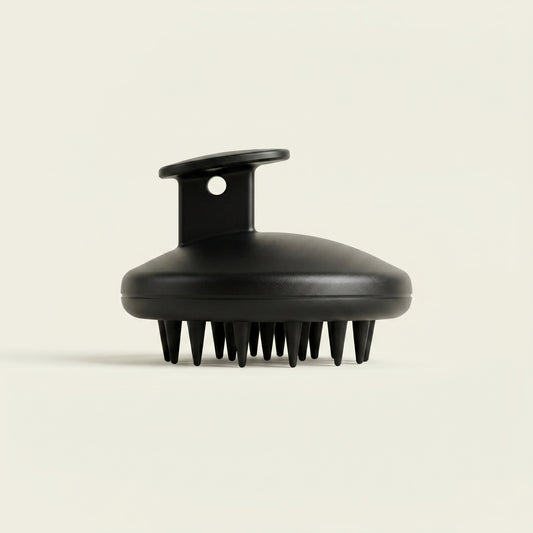
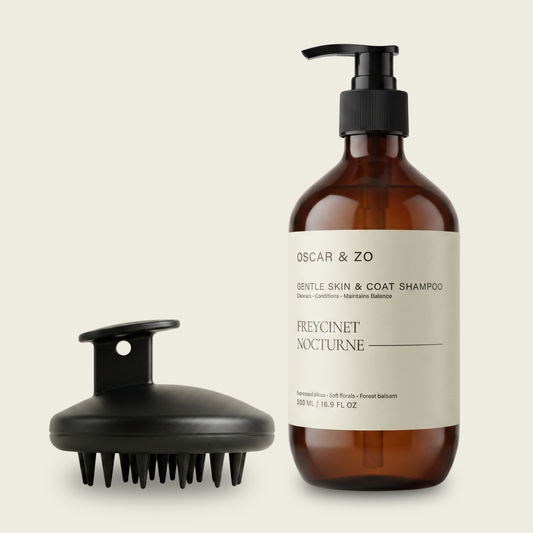
Choose a calm routine around your cat’s comfort. Keep sessions brief, watch for signs of tension, and stop if your cat struggles or becomes aggressive. Oscar & Zo’s Grooming Tools can be part of regular coat care at home, while close-to-skin mats and sudden grooming changes call for professional or veterinary support.
What Causes Matted Cat Fur?
Cat fur mats when loose hairs, coat texture and friction combine. Shed strands can catch in the surrounding coat instead of falling away, then twist together as your cat moves. Dirt and debris add to the tangles. If unnoticed, repeated movement can compact the fur, making the mat firmer and harder to separate.
Coat type affects how easily matting develops. Long-haired and double-coated cats, including Persians, Maine Coons, Ragdolls and domestic long-haired cats, are more prone to mats than short-haired cats. Their longer or denser coats hold loose hair within the surrounding fur. The belly, underarms and area behind the ears can tangle as a cat walks, curls up or turns its head.
Shedding can increase the loose fur caught in a coat. Cats may shed more heavily in spring and autumn, and warmer weather brings the shedding of winter coats. A long-haired cat may then carry shed hairs beneath the visible top layer. If brushing doesn’t remove them, those strands can twist around live hairs and form mats.
Some cats can’t groom every part of their coat effectively. Obesity may make it difficult to reach the back or hindquarters, while arthritis and other joint problems can make bending uncomfortable. Dental issues, including toothache or aching gums, may also interrupt grooming. When a cat stops cleaning a familiar area, loose fur and debris can build up there.
Changes in health can affect grooming habits, too. Kidney disease, thyroid problems and diabetes may alter a cat’s grooming behaviour. Reduced grooming can leave the coat dull or tangled, while stress can prompt overgrooming in particular areas. Repeated licking, for example, may leave bald or sore patches, while hiding and grooming less can allow knots to develop unnoticed.
Look for patterns rather than treating each knot as an isolated problem. Mats around the hindquarters may follow difficulty reaching that area; tangles across a dense coat may reflect trapped shedding fur. Note where matting develops and whether grooming habits have changed. These details can help a veterinarian assess a possible health or mobility issue, while regular coat care can address loose fur and debris.
How much does cat dematting or shaving cost in Australia?
Cat dematting and shaving costs in Australia depend on the coat, the extent of matting and the work needed to keep the cat comfortable. A few loose knots require a different approach from a dense pelt covering several areas. The type of service matters, too: careful detangling and clipping are different tasks.
What affects the cost?
The coat’s condition is a key factor. A groomer may be able to separate small, loose mats, while a tight pelt close to the skin may need clipping or shaving. More extensive matting can take longer to remove, particularly when the coat is dense or the affected areas are difficult to reach.
Your cat’s comfort also shapes the appointment. A cat who needs frequent pauses or becomes distressed may need a slower approach. Severe matting can require extra care, and some cats may need light sedation to remain comfortable during coat removal. Sedation is a veterinary consideration, not a routine grooming step.
The service itself can vary. A partial clip for a matted area differs from shaving a larger section or removing a widespread pelt. Coat length, density, mat location and the amount of fur affected all help determine the work involved. These factors explain why two cats with mats may need different grooming plans.
How to understand an estimate
Before an appointment, describe what you can see: for example, a flat mat behind the ears, several knots under the belly or a pelt across the hindquarters. Mention whether your cat reacts when you touch the area. These details help the groomer understand the coat and your cat’s comfort needs.
When comparing estimates, focus on the proposed work rather than the word “dematting” alone. Clarify whether the plan covers detangling, clipping or shaving, and whether it includes the affected areas you described. A brief coat assessment can help establish the scope before grooming begins.
For recurring care, professional grooming every six to eight weeks may suit high-maintenance coats alongside home brushing. Long-haired cats still benefit from daily brushing between appointments. A regular routine can help you notice new tangles early, before they spread into larger areas that need more involved coat removal.
There’s no useful one-size-fits-all estimate for every cat. The most relevant factors are the severity and location of mats, the coat’s condition, the work required and the cat’s response to handling. Share clear observations so the grooming plan reflects your cat’s needs, not just the label attached to the appointment.
What should you do if a cat’s mats are close to the skin
A mat tight against your cat’s skin should be handled by a cat groomer, not forcibly combed at home. Dense fur can hide the skin beneath it, making it difficult to judge where the tangle ends. Pulling at the mat can tug on sensitive skin and cause discomfort, irritation or bruising.
Start with a visual check rather than testing the knot with a comb. Look for a flat, firm patch close to the body, especially around the belly, underarms or hindquarters. If you can’t see the skin beneath the fur, treat the mat as close to the skin. Don’t pull, stretch or prise it away to check.
Keep scissors away from the area. A cat’s skin can be drawn into a mat, so cutting the fur risks cutting the skin as well. Don’t try to shave a tight mat at home, either. A groomer can assess whether clipping or shaving is needed and remove the coat with care. Severe pelts may need to be clipped or shaved away.
Until the appointment, avoid bathing your cat or repeatedly touching the mat. Wet fur can worsen matting, while repeated handling may increase discomfort. Keep your cat settled and note where the mat sits, how much of the coat it covers and whether your cat reacts when moving. These observations can help you describe the situation clearly to the groomer.
Some cats with severe matting may need light sedation to stay comfortable during coat removal. A veterinarian should be involved in that decision. Seek veterinary advice if you notice bruising or irritated skin, or if your cat’s grooming habits have changed. A new coat problem can accompany health or mobility issues, including arthritis or dental discomfort.
After removal, the focus shifts to preventing loose fur from collecting in the same area. For a long-haired cat, daily brushing can help manage the coat; short-haired cats usually need brushing two to three times a week. Choose a suitable brush or comb and keep sessions gentle. Oscar & Zo’s Grooming Tools can support routine coat care once tight mats have been professionally removed.
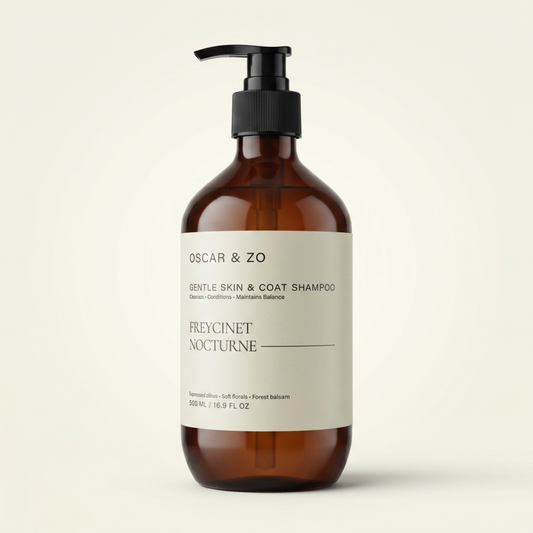
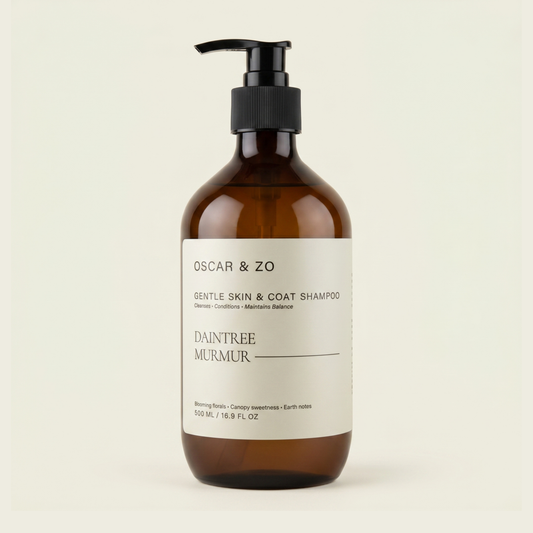
Oscar & Zo: Skin & Coat Shampoo
Oscar & Zo’s Skin & Coat Shampoo can be part of your cat’s regular coat-care routine once mats have been safely removed. It won’t loosen tight tangles, and bathing a cat before removing mats can worsen matting. For a mat close to the skin or a dense pelt, seek grooming support first.
Once the coat is clear, keep care gentle and consistent. Regular brushing helps remove loose fur before it tangles, while a suitable shampoo can fit into routine washing when appropriate for your cat. Oscar & Zo’s pet-care range is vet recommended to promote healthier skin and softer coats for dogs and cats.
For considered everyday coat care, explore Oscar & Zo’s offerings on its website.
Make coat care a gentle ongoing ritual
A thoughtful approach to matted cat fur solutions starts with noticing what your cat enjoys and what they prefer to avoid. Let their comfort guide the pace: choose a quiet grooming moment, use a familiar brush and pause when they’ve had enough. Small, consistent care can feel more manageable than waiting until coat maintenance becomes a struggle.
Once tangles have been safely addressed, Oscar & Zo’s Skin & Coat Shampoo may fit into your cat’s routine when a bath is appropriate. Pet Fragrance and Ritual Sets offer other options for everyday pet care. Choose products for the role they genuinely play in your household, and seek veterinary advice for changes in your cat’s skin, coat or grooming behaviour.
If you’d like to explore these cat-care options or ask Oscar & Zo a question, get in touch with Oscar & Zo. A calm, considered routine can grow at your cat’s pace, one comfortable moment at a time.
Frequently Asked Questions
Are some cats more prone to developing mats in their fur?
Yes. Coat type is one factor, but a cat’s ability to maintain its own coat also matters. An older cat with arthritis, for example, may find it difficult to reach its back or hindquarters. Dental discomfort can also interrupt normal grooming. If tangles repeatedly appear in one area, note their location and any changes in your cat’s habits to share with your veterinarian.
Is matted cat fur painful for cats?
It can be. Your cat’s response may offer useful clues: watch for flinching, turning towards your hand, avoiding touch or licking one particular area. Don’t keep pressing the spot to test its sensitivity. If your cat reacts during ordinary handling, leave the coat alone and seek advice about the next step. This helps avoid adding more pulling or handling to an already uncomfortable area.
How do you safely remove mats from a cat’s fur at home?
Home care is suitable only when a knot is small, loose and easy to reach without pulling the skin. Keep the session calm, offer a treat and stop if your cat becomes unsettled. A key part of matted cat fur solutions is knowing when to stop: resistance, a knot that won’t separate easily or a mat close to the skin are reasons to pause and seek help.
When should a matted cat be taken to a professional groomer or vet?
Choose a groomer when a coat needs careful clipping or shaving, or when your cat won’t tolerate home handling. A veterinarian is the better first contact if grooming behaviour has changed or you’re concerned about your cat’s health. Note, for example, whether your cat has started hiding, neglecting a familiar part of its coat or licking one area repeatedly. Those observations can guide the discussion.
Can you cut or shave mats out of a cat’s coat safely?
Leave clipping or shaving to a professional when the mat is close to the skin or difficult to separate. Fur can conceal how closely a knot sits, so trimming by feel is risky. For a loose mat, focus on easing the hairs apart rather than cutting them. If your cat shifts suddenly or the skin moves with the knot, stop handling the area.
What tools and detangling products work best for matted cat fur?
Match the tool to the coat and the task. Slicker brushes and detangling combs can help remove loose hair, while a wide-toothed comb gives you room to work through a small, loose knot. Check whether a tool is intended for a cat’s coat and whether its teeth pass through the fur without tugging. Avoid applying a product to irritated or broken skin without veterinary advice.
What are the risks of tight mats, and when do they need urgent veterinary care?
Tight mats can conceal the skin, so irritation or a small wound may be hidden beneath the fur. Check the visible edges without pulling the knot apart. If you notice broken skin, soreness or a change in movement, contact your veterinarian for guidance. A flat pelt that restricts movement also needs professional attention, not repeated attempts to loosen it at home.
How can you prevent mats in long-haired cats with a regular grooming routine?
Make grooming predictable: choose a quiet place, use the same gentle tool and finish before your cat becomes restless. Check the coat in sections, such as the shoulders, sides and hindquarters, so you don’t miss a patch. During seasonal shedding, look for loose hairs caught beneath the top layer. A consistent routine also helps you notice changes in coat condition or grooming behaviour.