


How to Make a Dog’s Coat Shiny and Soft with Proper Care

More frequent bathing doesn’t necessarily make a dog’s coat softer. To understand how to make a dog's coat shiny and soft, focus on a balanced routine: brush regularly, bathe according to your dog’s coat and skin needs, and use a shampoo made for dogs. For many dogs, bathing about once a month is a useful starting point, adjusted for coat type and lifestyle.
A glossy coat is lovely to see, and softness can feel like a reassuring sign that everyday care is working. But a dull, flaky or itchy coat may need more than grooming, so consider the whole routine rather than reaching for a quick fix.
This guide explains how brushing tools and frequency vary by coat type, when bathing can help, and why over-washing may leave skin and fur dry. It also covers what to consider before using coconut oil or fatty acid supplements, and which coat changes are a reason to speak with your veterinarian.
Key Takeaways
- Choose a brush and brushing rhythm that suit your dog’s coat, helping keep tangles and loose hair manageable.
- Adjust bath frequency to coat type and skin needs, as washing too often can leave skin and fur dry.
- Use care with coconut oil: adding it to meals or applying it to the coat may not suit every dog.
- Omega-3 and omega-6 fatty acids support coat health, but speak with your veterinarian before giving supplements.
- If a dull coat comes with ongoing itchiness, redness, flaking or hair loss, seek veterinary advice to explore possible causes.
1. Choosing brushes for different coat types
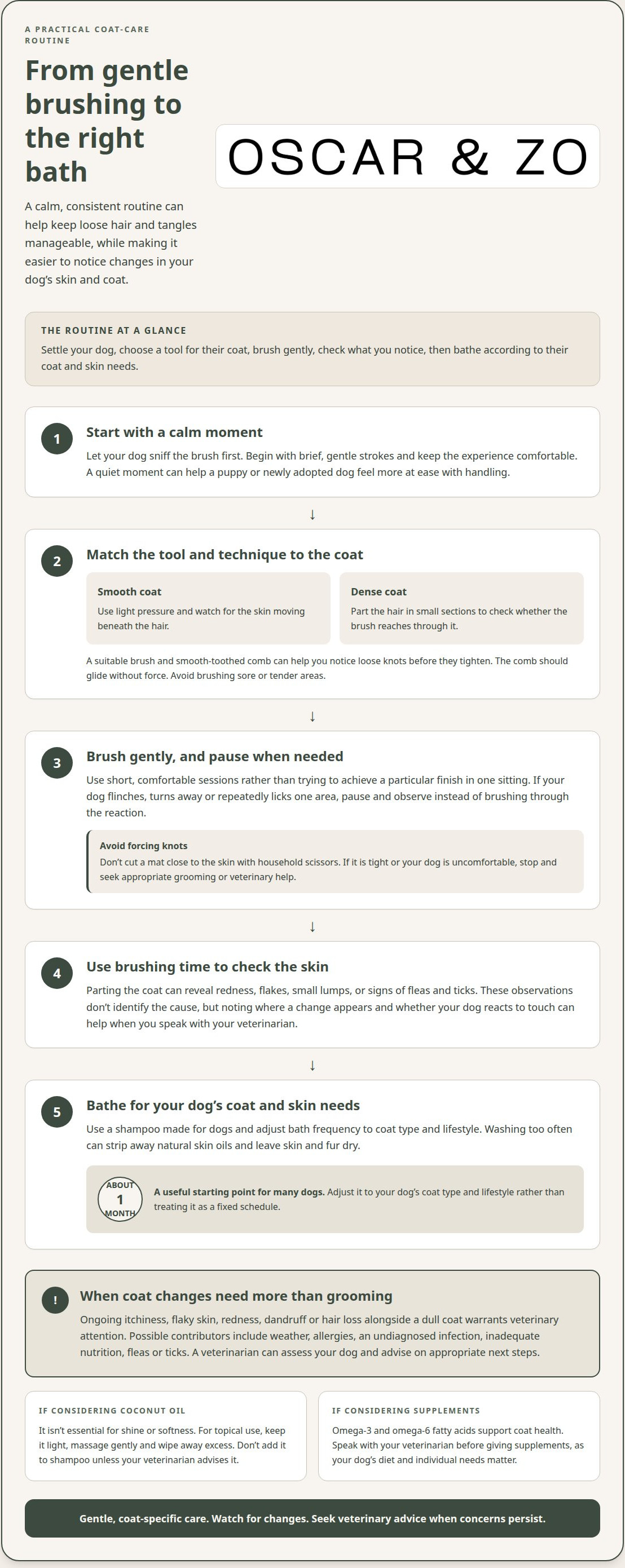
A useful answer to how to make a dog's coat shiny and soft starts with a calm, comfortable grooming experience. Let your dog sniff the brush before you begin, then make the first strokes brief and gentle. Pairing brushing with a quiet moment can help a puppy or newly adopted dog feel more at ease with handling.
Coat texture affects which tool to use and how to use it. For a smooth coat, use light pressure and watch for the skin moving beneath the hair. On a dense coat, part the hair in small sections to see whether the brush reaches through it. Avoid brushing sore or tender areas. If the skin looks unusual, seek veterinary advice.
Keep the brush clean and in good condition. After grooming, remove trapped hair from the bristles and check for bent or damaged pins that could catch the coat. A clean comb can help you check for loose hair or debris, but it should glide without force. If your dog flinches, turns away or repeatedly licks one area, pause and observe rather than brushing through the reaction.
Use brushing time to notice changes you might otherwise miss. Parting the coat can reveal redness, flakes, small lumps, or signs of fleas and ticks. These observations don’t identify the cause, but they can help you describe what you’ve noticed to your veterinarian. Note where a change appears and whether your dog reacts when the area is touched.
What grooming tools help prevent mats and coat damage? A suitable brush and a smooth-toothed comb can help you spot loose knots before they tighten. Don’t cut a mat close to the skin with household scissors, as it can be difficult to distinguish skin from tangled hair. If a mat is tight or your dog is uncomfortable, stop and seek appropriate grooming or veterinary help.
In Australia, grooming products include brushes, combs, grooming mitts and dog shampoo. Prices vary by product and retailer, so consider the coat type, tool design and how comfortable it feels in your hand. A brush that is easy to control can make short, gentle grooming sessions more manageable for both you and your dog.
Coat-care habits work best when they suit your dog’s comfort and coat condition. Use brushing sessions to check the skin, remove loose debris and build a relaxed handling routine, rather than aiming for a particular finish in one sitting. If grooming repeatedly causes discomfort or reveals concerning skin changes, pause and discuss what you’ve noticed with your veterinarian.
2. Coconut oil for coat care
Coconut oil is sometimes used on a dog’s coat because it may moisturise and soften fur, adding a little shine. It isn’t a substitute for brushing, suitable shampoo or veterinary advice about persistent skin concerns. Consider your dog’s skin and coat first, and don’t treat coconut oil as a cure for itchiness, redness or flaking.
For topical use, begin with a small amount and gently massage it over the coat for a few minutes. Keep the application light, especially on fine or short hair, where oil can quickly feel heavy. Wipe away excess after the massage, as recommended in coat-care guidance. A greasy residue can attract dirt and leave the coat feeling coated rather than soft.
Some home-care advice suggests mixing coconut oil into a dog’s regular shampoo. However, adding ingredients changes the shampoo’s intended use. Follow the product directions, and don’t combine coconut oil with shampoo unless your veterinarian advises it for your dog. A gentle bath with dog shampoo can clean the coat without an improvised mixture.
Food-grade coconut oil is also sometimes added to meals. Suggested amounts vary, with some advice mentioning a teaspoon and other advice suggesting a tablespoon once per day. That difference matters: there isn’t a single amount in these suggestions that suits every dog. Ask your veterinarian before adding coconut oil to food, particularly if your dog has an existing health concern or follows a specific diet.
Coconut flesh and coconut oil aren’t interchangeable in a feeding routine. Coconut flesh is a food, while coconut oil is concentrated fat; neither is a necessary coat supplement. A dog’s overall diet and individual needs matter more than adding one ingredient for shine. If you’re considering coconut as a regular addition, discuss its suitability with your veterinarian first.
For a calm topical routine, keep the steps simple: apply sparingly, massage gently, then wipe away any remaining oil. Don’t let your dog lick a generous coating from their fur, and stop using it if the skin appears more irritated. Coconut oil can make surfaces slippery, so keep your dog off furniture until the coat feels clean and dry.
Natural oils produced by the skin help condition the coat. Regular brushing distributes these oils along the hair, while excess washing can strip them away. Coconut oil may suit some coat-care routines, but it isn’t essential for shine or softness. If your dog’s skin is persistently itchy or flaky, a veterinarian can help identify the cause rather than relying on oil alone.
Health issues that can cause a dull coat
A coat can look dull when a dog’s skin is uncomfortable or their diet doesn’t meet their needs. Weather, allergies, an undiagnosed infection and inadequate nutrition can all contribute to dry, itchy skin. Fleas and ticks can also irritate the skin, leading some dogs to scratch or bite at their coat.
Look at the skin as well as the hair. Ongoing itchiness, flaky skin, redness, dandruff or hair loss alongside a dull coat warrants veterinary attention. These signs can have different causes, including parasites or infection, so grooming alone may not address the problem. A veterinarian can assess your dog and recommend appropriate diagnostics if coat-care changes haven’t helped.
Nutrition supports a healthy coat from within. A balanced, dog-appropriate diet should provide adequate protein, essential fatty acids, vitamins and minerals. Protein provides building blocks for hair, while other nutrients support skin and coat condition. A more suitable diet may be relevant if your dog’s current food isn’t meeting their nutritional needs, but choose food for their life stage and health requirements.
Flaxseeds contain omega-6 fatty acids, which contribute to the fats that support skin and coat health. They’re not a substitute for a complete, balanced diet, and adding an ingredient doesn’t resolve every cause of a dull coat. Before changing your dog’s meals or adding flaxseed, discuss the idea with your veterinarian, particularly if your dog has ongoing symptoms or follows a prescribed diet.
How much water should a dog drink for healthy skin and coat? There’s no single daily volume that suits every dog, as needs vary with factors such as body size, activity and diet. Keep fresh, clean water available at all times, and speak with your veterinarian if your dog’s drinking habits change noticeably.
Notice whether the coat change is localised or widespread, and when it began. For example, a dog with new redness around the ears and repeated scratching may need a different assessment from one with an evenly dry coat after a change in weather. Share these observations with your veterinarian, along with any recent changes to food, routine or environment.
Brushing and bathing can keep the coat clean, but persistent skin problems need more than cosmetic care. If itching or flaking continues, hair loss appears, or redness accompanies a dull coat, seek veterinary advice. A careful assessment can help identify whether nutrition, parasites, infection or another issue is affecting your dog’s skin and coat.
4. Omega-3 and omega-6 fatty acids
Omega-3 and omega-6 are essential fatty acids that support a dog’s skin and coat. They form part of a balanced diet, alongside protein, vitamins and minerals. If your dog’s coat looks dry or dull, consider their overall food first. A single ingredient or supplement won’t replace complete nutrition or explain every change in coat condition.
Food sources of omega-3 include salmon, sardines, anchovies and chia seeds. Flaxseeds contain omega-6 fatty acids. These ingredients can contribute useful fats, but what suits your dog depends on their existing diet and health needs. Keep additions modest and consider how they fit within the whole meal, rather than adding several new ingredients at once.
Which dog foods and nutrients support a shiny, soft coat? Choose a complete, balanced dog food that provides adequate protein, essential fatty acids, vitamins and minerals. Salmon, sardines, anchovies, chia seeds and flaxseeds contain fatty acids, but they don’t replace a balanced diet.
Supplements can be useful in some feeding plans, but they aren’t automatically needed for every dog. Omega-3 products vary in their ingredients and concentration, so a teaspoon isn’t a universal dose. Some feeding suggestions mention one teaspoon of flaxseed or fish oil, but your dog’s size, food and health all matter. Ask your veterinarian before starting a supplement.
More isn’t better. Excess omega fatty acid supplements can make dogs nauseous, and adding oils can change a meal’s overall fat content. Don’t combine multiple products without veterinary guidance. If your dog already eats complete food containing fatty acids, your veterinarian can help assess whether an additional supplement suits their diet.
For a practical conversation, note your dog’s food, treats and any oils or supplements before seeking advice. Include product ingredients and serving directions, then ask your veterinarian whether they suit your dog’s needs. This gives them a clearer picture than discussing a supplement in isolation, especially if your dog has ongoing skin or coat concerns.
Give yourself time to observe the whole routine rather than expecting an immediate change in coat appearance. Keep meals consistent while following your veterinarian’s advice, and note changes in skin comfort, coat texture or digestion. If itching, flaking, redness or hair loss continues alongside a dull coat, seek veterinary advice to explore causes beyond nutrition.
5. Bathing frequency by coat type
There isn’t one bathing schedule that suits every dog. General advice ranges from bathing once or twice a month to an occasional bath every two to three months. Once a month is another common starting point, adjusted for coat type, skin condition and how dirty your dog gets. Treat these intervals as context, not a target to follow regardless of your dog’s needs.
Coat type helps shape the routine, but it doesn’t set a fixed bathing frequency on its own. A short coat that stays clean between outdoor walks may need fewer baths than a long coat that collects dirt and debris. A dense or curly coat can take longer to rinse and dry thoroughly, so allow enough time to clean it carefully without bathing more often than needed.
For a dog with a healthy coat, begin with the monthly starting point and adjust to their lifestyle. If your dog rolls in mud or comes home with a dirty coat, a bath may be useful sooner. If their coat stays clean and their skin comfortable, there’s no need to bathe simply because another week has passed. Regular brushing can help manage loose hair and surface dirt between baths.
Frequent washing can strip natural oils from a dog’s skin and coat, potentially leaving them dry. If bathing more often seems necessary, consider what’s driving it: muddy walks, a coat that traps debris, or a persistent smell. Use a dog-specific shampoo and rinse thoroughly. Avoid trying to solve an ongoing skin concern through repeated bathing alone.
Make each bath a calm, friendly routine. Brush out loose hair and manageable tangles first, then wet the coat and apply shampoo according to its directions. Rinse thoroughly, as leftover product can leave residue. Dry your dog well, especially where a long or dense coat holds moisture, and keep the experience gentle if they’re unsettled by water.
Parasites such as fleas can irritate skin and trigger scratching, but extra baths aren’t a substitute for addressing the cause. If you notice persistent itchiness, redness, flaking or hair loss, consult your veterinarian rather than increasing the bathing schedule. The same applies if a change in washing leaves your dog’s skin uncomfortable or their coat unusually dry.
The clearest takeaway is to let coat type, cleanliness and skin comfort guide the routine. For many dogs, once a month is a reasonable starting point, while some need bathing once or twice a month and others may go two to three months between baths. Keep a simple note of bath dates and changes in coat condition, then adjust the routine based on what you observe.
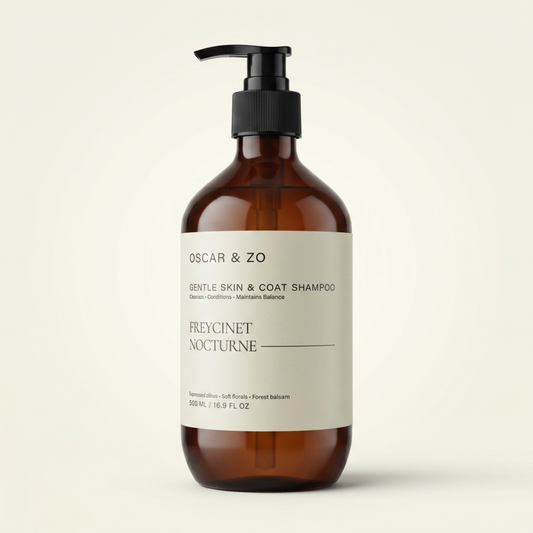
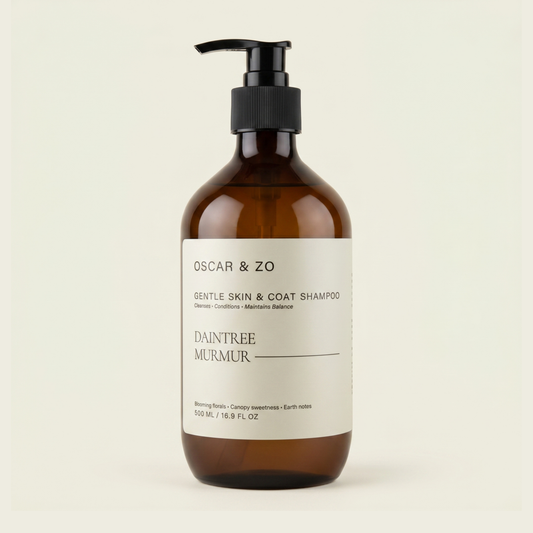
Oscar & Zo: Skin & Coat Shampoo
Oscar & Zo Skin & Coat Shampoo offers a considered option for your dog’s regular bathing routine. Use it to cleanse the coat as part of consistent grooming, alongside brushing and a bathing schedule suited to your dog. Oscar & Zo grooming products are vet-recommended to promote healthier skin and softer coats.
Choose shampoo for routine coat care, not as a substitute for veterinary advice. If your dog has ongoing itchiness, redness, flaking or hair loss, speak with your veterinarian about possible causes before changing their bathing routine. For an everyday wash that complements gentle, thoughtful care, explore the Skin & Coat Shampoo. If you’d like to know more, you’re welcome to contact Oscar & Zo.
Make coat care a gentle routine
Rather than chasing instant shine, make coat care a calm part of your dog’s everyday rhythm. Notice what feels comfortable for them, keep grooming gentle, and adjust the routine when their coat or skin changes. If persistent irritation, flaking or hair loss appears, your veterinarian can help identify what may be behind it.
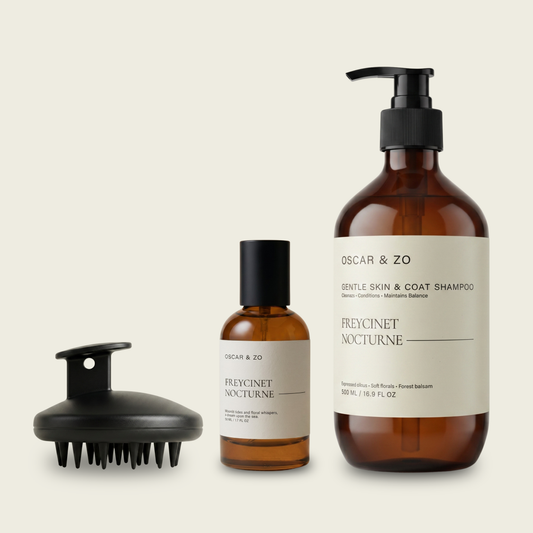
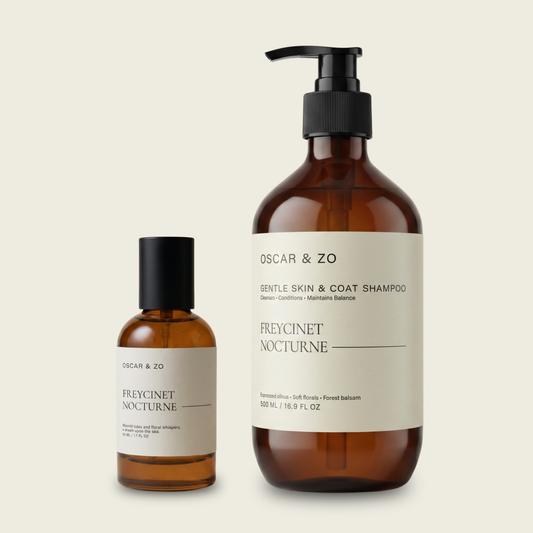
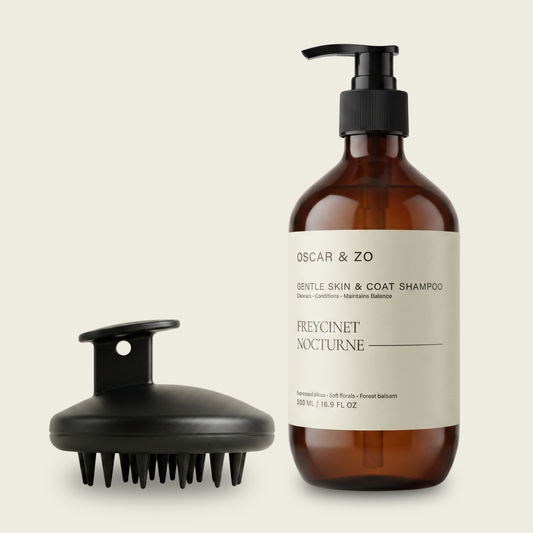
Learning how to make a dog's coat shiny and soft is less about adding more products and more about thoughtful choices that suit your dog. For bath time, Oscar & Zo Skin & Coat Shampoo can be part of your grooming routine. Pet Fragrance and Ritual Sets offer additional options for everyday care.
Choose the next step that feels useful for you and your dog. Contact Oscar & Zo to explore the available grooming and coat-care options, and continue building a routine that feels comfortable, consistent and kind.
Frequently Asked Questions
How to Improve My Dogs Coat?
Improve your dog’s coat by keeping grooming, bathing and nutrition consistent with their individual needs. For example, note whether a new food, shampoo or routine change coincides with dryness or itching. Avoid changing several things at once, as this makes it harder to identify what’s affecting the coat. If the coat remains dull or the skin becomes uncomfortable, discuss the changes with your veterinarian.
Could a dull coat point to an underlying health issue?
Yes, a dull coat can accompany health or skin problems, especially when other changes appear. Persistent itching, redness, flaking, dandruff or hair loss are reasons to seek veterinary advice. Fleas, ticks, allergies and infections are among the possible causes, and grooming alone may not address them. Note when the signs began and where they appear to help explain the changes during your dog’s appointment.
What about white dogs?
White coats can show dirt and staining more clearly, so gentle, regular cleaning can help them look fresh. Use a shampoo made for dogs and follow its directions, taking care around the eyes and muzzle. Don’t use household cleaners or human hair products to brighten the coat. If staining is sudden, persistent or accompanied by redness or irritation, ask your veterinarian to assess the skin.
When should I brush my dog?
Choose a calm moment when your dog is relaxed, such as after a walk or quiet play. Start with a brief session and gentle strokes, then pause if your dog becomes restless or uncomfortable. Check areas where knots can form, including behind the ears and beneath the collar. If brushing reveals tenderness, redness or a tight mat, stop rather than pulling at the coat.
What is the best brushing routine for a dog’s coat type?
Match the routine to coat texture: short-haired and wire-haired dogs generally need weekly brushing, curly or frizzy coats benefit from brushing two to three times a week, and long-haired coats may need daily attention. For a long coat, work in short sections and check beneath the surface with a comb. Keep sessions gentle and stop if a knot resists, as forceful brushing can hurt.
How often should you bathe a dog, and which shampoos are safe?
For many dogs, bathing about once a month is a useful starting point, adjusted for coat type, activity and skin comfort. Some dogs need a bath sooner after getting dirty, while others stay clean longer. Use shampoo made specifically for dogs, follow the label directions and rinse thoroughly. Avoid human shampoo, which isn’t designed for a dog’s skin and coat.
Are omega-3 or omega-6 supplements safe and effective for dogs?
Omega-3 and omega-6 fatty acids can support skin and coat health, but supplements need to suit your dog’s diet and needs. Ask your veterinarian before adding one, and share the product ingredients and serving directions. Avoid combining several oils or supplements without advice. Too much omega supplementation can cause nausea, and adding oils may alter the balance of your dog’s meals.
How can you safely condition or moisturise a dog’s coat?
Use a dog-specific grooming product according to its label, and avoid applying human moisturisers unless your veterinarian recommends them. Coconut oil is sometimes used sparingly on fur, but it can leave a greasy residue and your dog may lick it. Wipe away excess after topical use. Don’t apply products to irritated or broken skin, and seek veterinary advice for ongoing dryness or itchiness.