


How to Introduce a Puppy to Grooming, From Home to Salon

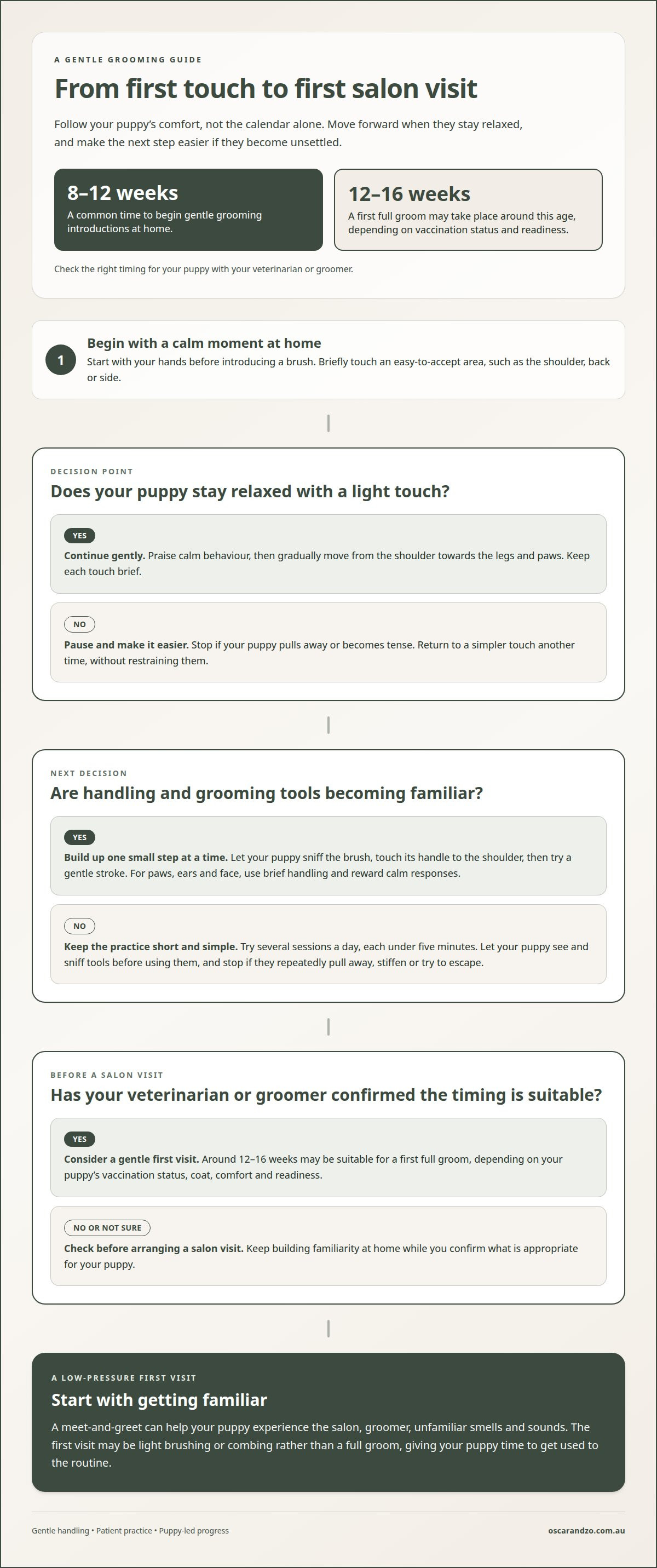
A puppy’s first grooming lesson should begin well before their first salon appointment. Learning how to introduce a puppy to grooming can start as soon as they settle into their new home, with gentle handling and familiar tools introduced gradually. Many puppies begin these early introductions at around 8-12 weeks, while a first full groom typically takes place at around 12-16 weeks, once they’ve had their vaccinations.
It’s natural to want grooming to feel calm and comfortable for your puppy. Short, gentle moments at home can help them get used to being touched before brushes, baths or salon sounds become part of their routine.
This guide explains when to begin, how to build comfort with paws, faces and grooming tools, and what to expect from a first professional visit. A patient pace and positive associations can help grooming become a familiar part of caring for your puppy.
Key Takeaways
- Many puppies can begin gentle grooming introductions at around 8-12 weeks. A first full groom may be suitable around 12-16 weeks, depending on your puppy’s vaccination status and readiness. Check the timing with your veterinarian or groomer.
- Build comfort with calm, brief handling before introducing brushes, combs or other grooming tools.
- Make paw, nail, ear and face handling familiar through patient practice and positive associations.
- Let your puppy explore grooming tools and household sounds gradually, without rushing them into a full grooming routine.
- Keep the first salon visit gentle and low-pressure, so your puppy can become familiar with the experience at their own pace.
1. When Can a Puppy Get Groomed?
Begin gentle grooming introductions when your puppy arrives home. Around 8-12 weeks is a common age to start becoming familiar with brushing, handling and grooming sounds. A first full groom may take place around 12-16 weeks, but the right timing depends on your puppy’s coat, comfort with handling and readiness for the salon. Check with your veterinarian or groomer about what is appropriate for your puppy, including whether their vaccination status is suitable for a salon visit.
Start with your hands before introducing a brush or comb. When your puppy is relaxed, briefly touch their shoulder, back and sides, then praise them. Let them sniff the brush before gently moving it over an easy-to-reach area. A few calm strokes are enough to introduce the sensation without making brushing a struggle.
Regular brushing helps prevent matting and makes coat care familiar. Choose a brush suited to your puppy’s coat, and begin gently in an area they accept, such as the back. If you find a small tangle, don’t pull; carefully ease it apart with your fingers or a comb. Long, flowing or curly coats may need daily brushing to help prevent mats.
Household sounds can also be part of grooming preparation. Let your puppy hear a hair dryer or clippers from across a quiet room while they play or eat, without directing airflow at them. Keep scissors closed and visible rather than using them near your puppy’s face. Before a car trip to an appointment, begin with a calm, brief ride so the journey feels more familiar.
Introduce nail care and ear handling as separate exercises. Gently touch each paw, hold it briefly, then let go; you can practise the motion of trimming with one nail and a reward. For ears, lift the flap and touch only the outer ear, without putting anything into the canal. If your puppy pulls away or becomes unsettled, pause and return to an easier step.
For a first bath, use lukewarm water and positive reinforcement. A non-slip mat can help your puppy feel steady, and a soft towel can help with drying. Choose a dog-specific shampoo and keep water away from the face. Dental care can also begin at home: introduce a toothbrush gradually, working towards daily brushing as your puppy accepts it.
An unfamiliar or demanding grooming experience can make a puppy uncomfortable with handling. The wrong brush, sharp scissors near a moving puppy or forced nail care may cause discomfort or frighten them. Use gentle tools and pause when they show signs of stress.
When considering how to introduce a puppy to grooming, keep each new sensation simple: begin with brushing, then gradually introduce bathing and salon equipment. A first professional visit can involve light brushing or combing rather than a full groom. This gradual start gives your puppy time to get used to the routine before more involved coat care.
2. Getting puppies used to paw, nail, ear and face handling
Help your puppy become comfortable with brushing and handling by pairing a light touch with praise or a small treat. Practise several times a day in sessions of less than five minutes. Start when your puppy is settled: touch one area briefly, then pause. If they stay relaxed, reward them and continue. If they pull away or become tense, stop and make the next session easier.
Begin with an area your puppy readily accepts, such as the shoulder, then gradually move towards the legs and paws. Rest your hand on a paw, release it and reward calm behaviour. Later, gently hold one toe between your fingers, then let go. These small steps make nail-care handling familiar before you introduce clippers. Don’t restrain a puppy who is trying to move away.
For nail-trim practice, let your puppy see and sniff the clippers while you offer praise or a treat. Briefly touch a clipper against one nail without cutting, then finish the session. Once your puppy is comfortable, trim one nail and reward them. Build up gradually over later sessions. Keep the clippers still and avoid reaching suddenly for a paw.
Introduce ear handling just as gradually. Touch the outside of one ear, gently lift the flap, then reward your puppy before letting go. Keep fingers and cleaning materials at the outer ear; don’t put anything into the canal. If your puppy turns away, give them a moment to reset. Calm, predictable movements help the exercise feel different from being held in place.
For face practice, stroke the cheek or chin before briefly touching the muzzle. A metal teaspoon can introduce a grooming-tool sensation: hold it against the skin between the eye and nose for one second, then reward your puppy. Gradually build towards 30 seconds over a couple of weeks. Practise holding the chin gently, progressing towards one minute over several weeks.
Introduce a soft brush only after your puppy accepts your hand moving over their coat. Let them sniff it, touch the handle to their shoulder, then make one gentle stroke. Praise their calm response and finish there if needed. Don’t brush quickly around the eyes, ears or armpits, where puppies may be more sensitive. Short, positive sessions help brushing and touch become familiar parts of home care.
Notice signs that the pace is too much, such as repeatedly pulling away, stiffening or trying to escape. Pause, return to an easier step and let your puppy choose whether to approach again. Progress isn’t always steady. Calm repetition, gentle handling and well-timed rewards give your puppy room to learn.
3. Introducing puppies to professional grooming
A first salon visit can be a gentle introduction rather than a full groom. A meet-and-greet gives your puppy a chance to experience the salon, meet the groomer and notice unfamiliar smells and sounds. Some groomers use the first three sessions as training visits, helping puppies get used to the routine before more involved grooming.
For the first visit, agree on a small, manageable step, such as brushing or light combing. Treats and praise can help create a positive association with the table, equipment and handling. The appointment can end when your puppy has had enough. A full wash and blow-dry isn’t necessary for an introduction.
Salon sounds can feel unfamiliar, especially clippers, dryers and scissors. At home, let your puppy hear clippers or a dryer from a distance while they play or eat. At the salon, the groomer can introduce equipment gradually, pause between sounds and offer a break. Don’t expect your puppy to tolerate every noise in one visit.
Face grooming calls for particularly gentle handling. At home, practise brief touches around the cheeks and chin, then reward your puppy for staying relaxed. During a salon visit, the groomer can start with light combing around the face, moving slowly and pausing if your puppy seems nervous. A first appointment can focus on getting familiar with the process rather than a full haircut.
When choosing a puppy groomer in Australia, look for someone who welcomes gradual introductions, gentle handling and short, positive visits. A thoughtful approach includes explaining the first appointment, allowing breaks and adjusting the session to your puppy’s response. These details matter more than expecting a particular style of groom on the first day.
For puppies under six months, grooming visit frequency varies. Discuss a suitable schedule with your groomer, who can adjust visits to your puppy’s needs and comfort with the process. Introduction grooms may focus on different experiences, such as standing on the grooming table, hearing the dryer or having their face gently combed.
During each visit, notice whether your puppy can settle again after a new experience. If they become nervous, a break or a return to a familiar step can keep the session manageable. The first couple of appointments may focus on sounds, equipment, handling and table manners rather than completing a full groom.
Professional grooming should build on calm practice at home, not replace it. A familiar brush-through, gentle face handling and a quiet car trip can make the salon routine less novel. Keep sessions positive, follow your puppy’s pace and let each visit add one comfortable experience.
4. Benefits of starting grooming early
Starting a grooming routine while your puppy is young gives everyday care time to become familiar. Gentle practice can help make brushing, paw handling and salon sounds less unfamiliar. Keep the first steps brief and build on what your puppy accepts.
A predictable routine also makes it easier to see what your puppy is comfortable with. Choose a calm moment, such as after play, and practise one activity at a time. For example, touch a paw, offer praise, then finish. In another session, let your puppy see the brush before trying a few strokes.
Regular brushing can help make coat care a familiar part of everyday care. How often to brush depends on coat type: long, flowing or curly coats may need daily brushing to help prevent matting. Use gentle strokes and check areas that can knot, such as behind the ears and beneath the legs.
Early handling practice can make later care more familiar. Briefly touch each paw before introducing nail trimming, and lift an ear flap without reaching into the canal. A puppy who has experienced these touches at home may find similar handling less novel during an appointment. Keep sessions calm and stop if your puppy becomes unsettled.
Grooming routines can also introduce household habits in small steps. Let your puppy stand on a non-slip surface, hear a dryer from another part of the room or explore a towel after a bath. These everyday experiences can prepare them for grooming sounds and sensations without combining everything into one long session.
Starting early doesn’t mean doing a full groom straight away. Build familiarity over time: brush the coat, practise gentle face handling, then introduce one new sound or tool. Praise relaxed behaviour and allow breaks. If a step feels difficult, return to one your puppy already accepts before trying again.
Consistent care at home can also help you notice changes in your puppy’s coat or comfort with handling. Check whether brushing reveals a new tangle, or whether a previously easy paw touch now makes your puppy pull away. Gentle observation helps you adjust the routine and seek veterinary advice if a change raises concern.
With patient practice, grooming can become a familiar ritual rather than an occasional surprise. Keep the routine suited to your puppy’s coat and comfort, and let each appointment build on what they have already experienced at home.
5. Gradual introduction to grooming tools and equipment
Introduce one tool at a time, starting with items your puppy can explore without pressure. Place a brush or comb on the floor while your puppy is settled nearby. Let them sniff it, then reward calm curiosity. Pick it up briefly, show them the handle and put it away before they lose interest. This gentle sequence helps the tool feel familiar rather than surprising.
Once your puppy accepts the brush nearby, touch the handle to their shoulder, then make one slow stroke. Pause and observe their response. If they stay relaxed, try another stroke in a comfortable area, such as the back. If they move away, stop and let them observe the brush again. Avoid pulling through knots or using scissors close to a moving puppy.
Introduce clippers gradually, so your puppy can get used to both their appearance and sound. Let them see the switched-off clippers from a comfortable distance. Reward calm behaviour, then move them slightly closer in a later session. When your puppy stays settled near the tool, switch it on briefly from across the room. Keep the sound low and distant, and switch it off if your puppy shows stress.
Introduce a hair dryer at a careful pace, too. Start with it switched off in the room, so your puppy can notice its shape and smell. Later, switch it on briefly at a distance, without directing airflow at them. Let your puppy choose whether to approach. Introduce a towel separately: first place it on the floor, then use it for gentle drying after a bath.
Make the bathing area familiar before adding water. Place a non-slip bath mat in the tub or wash area, and let your puppy step onto it while it’s dry. Add lukewarm water once they’re comfortable with the surface. Introduce the sound of running water separately, perhaps while your puppy stands nearby with a treat. This prevents new sensations from arriving all at once.
Watch your puppy’s body language during each introduction. Turning away, becoming still or trying to leave may mean the experience feels overwhelming. Pause, create more distance and return to an easier step next time. Familiarity develops at different paces, so don’t let vaccination timing or salon plans rush home practice.
Keep the takeaway simple: let your puppy see, sniff and hear each tool before it touches their coat. Build from a switched-off clipper to a brief sound, and from a dryer across the room to calm exposure. For thoughtfully chosen grooming tools for home care, explore options that can fit into a gentle routine.
Oscar & Zo: Grooming Tools
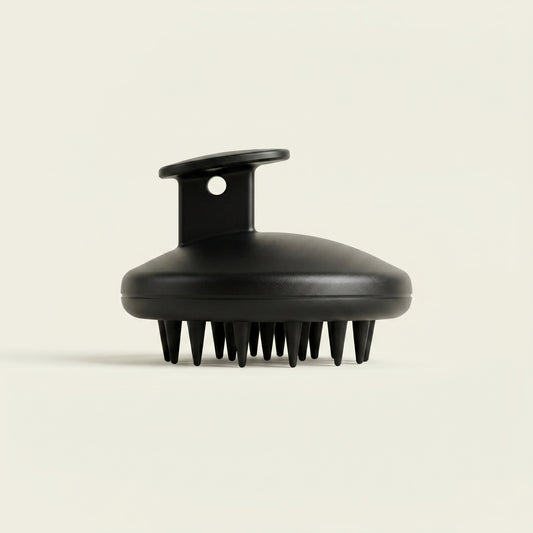
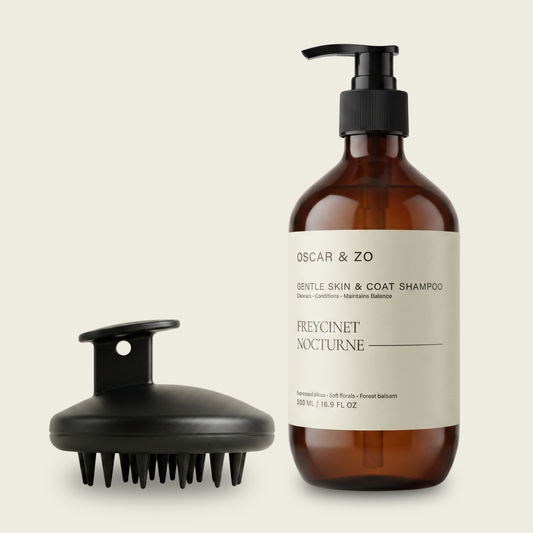
Oscar & Zo offers grooming tools to support gentle, familiar care at home. Once your puppy is comfortable with brushing and handling, choose a calm moment to introduce a tool to the routine and let them explore it at their own pace.
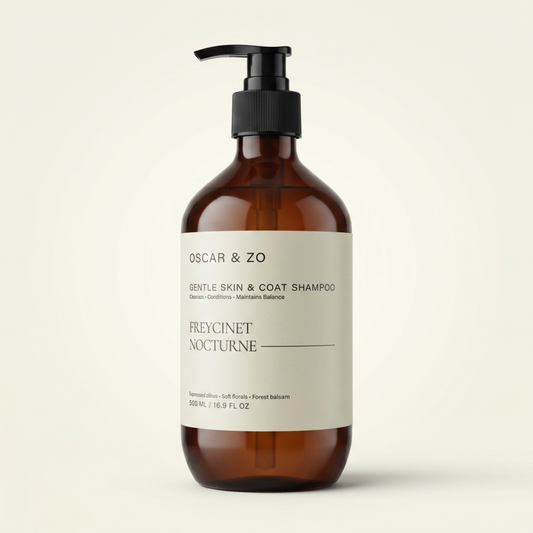
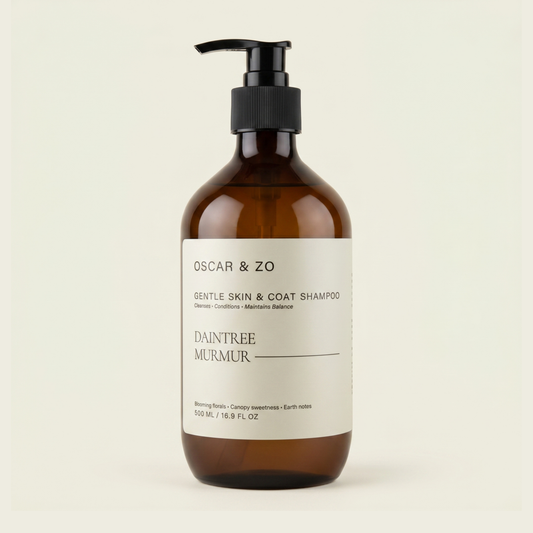
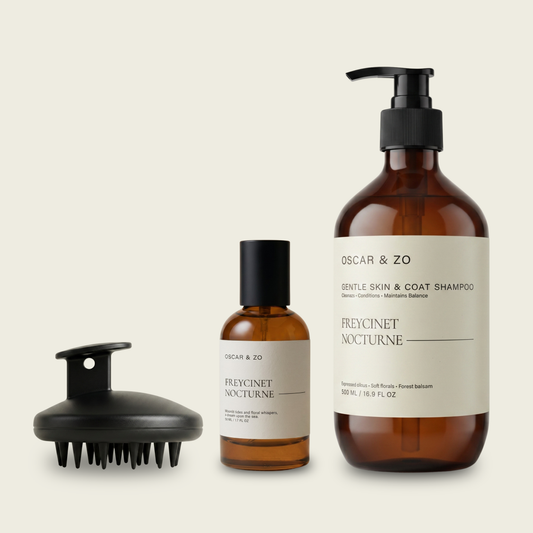
For bath time, Skin & Coat Shampoo can be part of your puppy’s home grooming routine. Pet Fragrance and Ritual Sets offer additional options for everyday care. Introduce each new grooming experience gradually, and follow your puppy’s comfort rather than rushing towards a particular result.
Keep the focus on simple, positive moments: a familiar brush, gentle handling and a steady routine. For help finding a suitable starting point for your puppy’s grooming routine, contact Oscar & Zo.
Build a grooming rhythm that grows with your puppy
Your puppy’s comfort can change as they grow, so keep noticing what helps them feel settled. Adjust your approach as their needs and responses evolve, and let everyday care remain a calm, shared experience.
Learning how to introduce a puppy to grooming is about building trust through thoughtful care, not reaching a perfect routine. If you’d like support choosing grooming essentials for home, contact Oscar & Zo.
With patience and a gentle pace, you can help grooming become a familiar part of life together.
Frequently asked questions
When can a puppy get groomed?
Gentle grooming can start at home once your puppy has settled in. For a full salon groom, check with your veterinarian or groomer about suitable timing, including how vaccination status may affect the appointment. The right pace also depends on coat type and how your puppy responds to handling. If their coat needs care before they’re ready for a full appointment, focus on manageable maintenance and discuss skin or coat concerns with your veterinarian.
How often do puppies need to be groomed?
There isn’t one schedule for every puppy. Coat length, texture and tendency to tangle all affect how often brushing is useful. Check behind the ears, under the collar and around the legs for small knots or caught debris, and note how quickly they return. A simple grooming diary can help you spot patterns and plan care around your puppy’s needs.
What can be done?
Keep a simple grooming kit together, with a suitable brush, comb, towel and dog toothbrush, so care feels organised. Choose a quiet place with a stable surface, and have rewards ready before you begin. Focus on one task at a time, such as checking the coat or wiping around the muzzle with a damp cloth. Consult your veterinarian if you notice a persistent skin or coat concern.
Will my puppy actually get a haircut?
A haircut depends on your puppy’s coat and what the appointment calls for. Some puppies need a trim; others may only need coat maintenance. Before the visit, note areas you’d like addressed, such as around the eyes or paws, and describe the look you prefer. The groomer can explain what’s practical for your puppy’s coat and comfort.
When should a puppy have its first grooming session in Australia?
Ask your veterinarian or groomer when to plan your puppy’s first professional session, as suitable timing can depend on vaccination status, readiness and coat needs. Bring their vaccination information and mention any handling sensitivities or previous grooming experiences. A clear note about what your puppy finds comfortable, such as standing on a raised surface or having their face touched, gives the appointment useful context.
How to introduce a puppy to nail clipping, ear cleaning and teeth brushing?
Use separate, clean tools for each task, and choose a moment when your puppy is calm. For teeth, let them investigate the toothbrush before bringing it near their mouth, and use one designed for dogs. For ears, clean only the areas you can see. If a nail is difficult to handle or an ear looks sore, stop and speak with your veterinarian.
How to acclimatise a puppy to clippers, dryers and grooming sounds?
Make each sound predictable by pairing it with something your puppy already enjoys, such as a meal or quiet play. Keep the tool secured and out of reach while it’s running, and don’t use a dryer’s airflow to test their response. If your puppy startles, give them space and return to ordinary room sounds before trying a new introduction another time.
How long should a puppy's first grooming sessions be, and how often should they happen?
Finish a home session while your puppy can still settle and respond to you, rather than waiting until they become restless. A calm coat check or a successful touch on a previously sensitive area can be a useful stopping point. Note what went smoothly and what felt difficult; this can help you choose a sensible next step at home or share useful context at an appointment.