


How to Groom a Double-Coated Dog with Bathing and Brushing

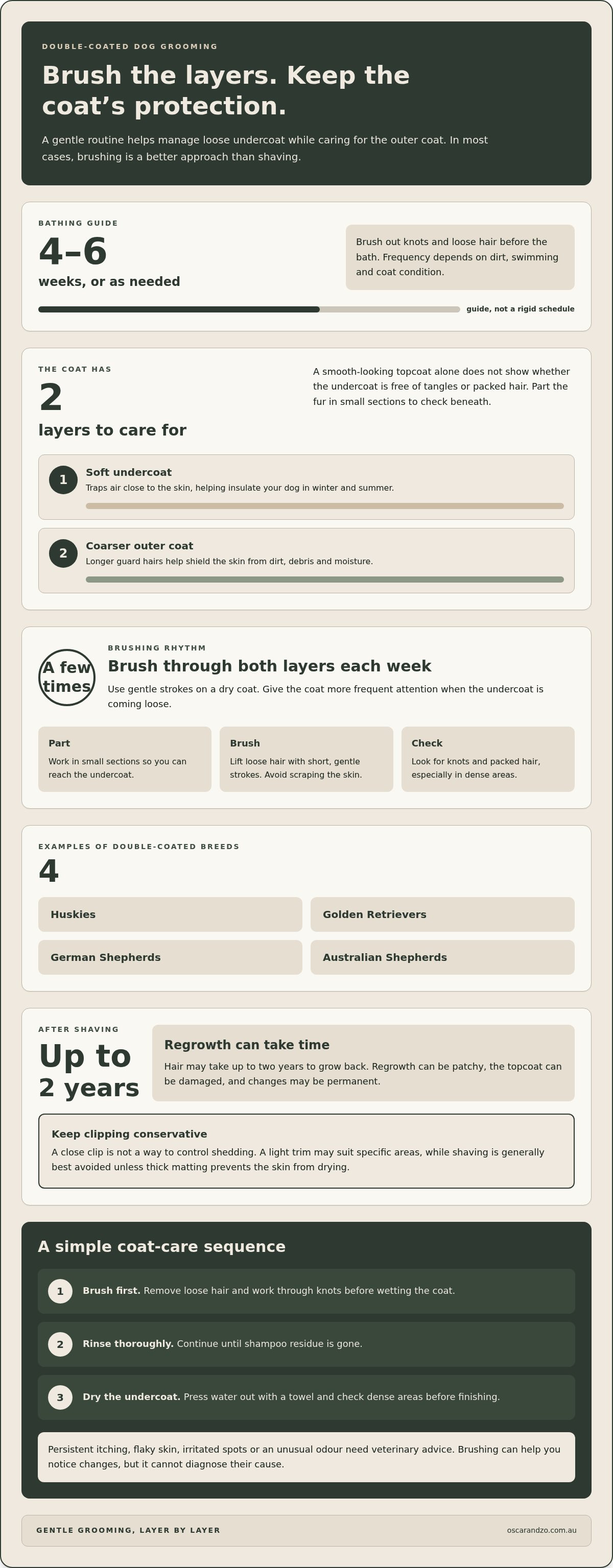
Keeping a double-coated dog comfortable is usually about brushing, not shaving. Grooming a double-coated dog means caring for both layers: the soft undercoat and the coarser outer coat. Brush through the layers a few times a week, bathe every 4–6 weeks or as needed, and avoid shaving unless thick matting prevents the skin from drying.
It’s understandable to wonder whether a close clip will help your dog stay cooler, especially when the undercoat is shedding. But the coat also helps regulate temperature and protect the skin, so removing it isn’t a simple shortcut.
This guide explains what a double coat does and how to brush, bathe and manage loose undercoat with a gentle routine. You’ll also learn which areas may benefit from a light trim, why shaving can be unsuitable, and when persistent skin irritation needs veterinary advice.
Key Takeaways
- A double coat has a soft undercoat and a coarser outer layer, each with a different role in protecting your dog.
- Brush through both coat layers before bathing, and rinse thoroughly to leave less loose hair and residue behind.
- Adjust brushing to the season: regular sessions help manage shedding, with more frequent attention when the undercoat is coming loose.
- Keep clipping conservative. Shaving can affect the coat’s protective function, while a light trim may be suitable for specific areas.
- Choose a dog shampoo as part of a calm bathing routine, and seek veterinary advice for ongoing itching or irritated skin.
What Is a Double Coat?
Huskies, Golden Retrievers, German Shepherds and Australian Shepherds are among the breeds with double coats. Each has a soft undercoat and a coarser outer layer, so grooming should reach both.
- Identify what each layer does. The fine undercoat traps air close to the skin, helping insulate your dog in both winter and summer. The longer guard hairs form the topcoat, which helps shield the skin from dirt, debris and moisture. Together, the layers support temperature regulation. Brushing removes loose hair and dead skin cells while spreading natural oils through the coat. A smooth-looking topcoat alone doesn’t tell you whether the undercoat is free of tangles or packed hair.
- Check the coat after swimming or walks. After an ocean swim, rinse salt water from your dog’s coat and dry the undercoat thoroughly. Salt, moisture and loose hair can linger between the layers, contributing to irritation or matting. After a walk through long grass, check the legs, belly, tail and spaces between the toes for grass seeds and burrs. Gently work loose plant material out with your fingers or a comb. Don’t pull at a seed embedded in the skin; arrange veterinary care to have it assessed.
- Use brushing to check skin and coat. Part the fur in small sections and look at the skin beneath, especially behind the ears, around the collar and between the back legs. These areas can hide knots, packed undercoat, burrs or grass seeds. Look for changes such as flaky skin, an unusual odour, irritated spots or persistent itching. Regular brushing can help you notice changes sooner, but it can’t diagnose their cause. Ongoing irritation, flaky skin or odour needs veterinary advice.
- Keep clipping changes in perspective. A coat’s appearance can shift as loose undercoat sheds and new hair grows, so a seasonal change in colour or texture isn’t automatically a sign of a problem. Shaving is different: regrowth may be patchy, the topcoat can be damaged, and changes may be permanent. After shaving, hair may take up to two years to grow back. Don’t use a close clip to control shedding. Watch for uneven regrowth and skin changes, and discuss persistent concerns with your veterinarian.
Huskies, Golden Retrievers, German Shepherds and Australian Shepherds need grooming that reaches both the soft undercoat and the coarser outer layer.
Bathing and rinsing
Brush out knots and loose hair before wetting the coat. For most double-coated dogs, bathing every 4–6 weeks or as needed is a useful guide, depending on dirt, swimming and coat condition.
-
Set bathing frequency and technique
Bathe your dog when they’re dirty or smelly, rather than following a rigid schedule. Washing too often can strip natural oils, leaving the coat dry and the skin irritated. Use lukewarm water and a dog shampoo, following the label directions. Wet the coat down to the skin, then work the shampoo gently through both layers. Take care around the eyes and ears, and don’t scrub tangled sections, as this can tighten knots.
-
Bathe to loosen shed hair
Bath time can help loosen dead hair, especially when your dog is shedding. Brush the coat and remove knots first, as wet hair can make tangles harder to work out. Massage shampoo through the coat with your fingers, following the direction of hair growth, rather than pulling at loose clumps. A bath can release shed hair, but it doesn’t replace brushing. As you rinse, check for packed undercoat, particularly around the collar, legs and tail.
-
Condition the coat
Consider a dog-specific conditioner if the coat feels dry or tangles easily after washing. Choose one intended for dogs and follow its label for application and rinsing. Conditioner can’t replace removing knots before the bath, and shouldn’t be worked into a matted patch. If your dog’s skin is already irritated, avoid adding unfamiliar products and seek veterinary advice about ongoing concerns.
-
Rinse and dry thoroughly
Rinse until the water runs clear and no shampoo residue remains against the skin. Residue can irritate, while moisture held in the undercoat can keep skin damp for longer. Press water from the coat with a towel instead of rubbing vigorously. Dry the undercoat thoroughly after bathing, using a dryer on a comfortable setting if your dog tolerates it. Check dense areas, such as the chest and behind the ears, before you finish. In winter, keep your dog warm until the coat is fully dry.
Brushing and removing loose undercoat
Brush a dry coat before bathing, using gentle strokes through both layers. To remove mats safely, loosen them gradually and stop if brushing causes discomfort.
-
Choose brushes, rakes and combs
Start with a slicker brush to lift loose hair, then use an undercoat rake or wide-toothed comb to reach deeper. Choose a tool suited to your dog’s coat length and apply light pressure, especially over joints and sensitive areas. A grooming comb helps you check for knots after brushing. Don’t force a tool through a snag: pulling can tug the skin and make grooming uncomfortable.
-
Apply detangler spray
If the coat catches around the ears, collar or tail, use a dog-specific detangler according to its label before brushing. Apply it to the knot, not near your dog’s face, then let the coat settle before gently teasing the strands apart with your fingers or a comb. Detangler can help with manageable tangles, but it won’t loosen a tight mat. Avoid brushing a wet coat unless the product directions recommend it.
-
Brush and comb the undercoat
Part the coat into small sections and work from the undercoat out towards the topcoat. Use short, gentle strokes, lifting loose hair rather than scraping the skin. Continue across the body, including the tummy, between the legs and beneath the tail, where knots can collect. Brush carefully behind the ears and around the collar. Finish each section with a comb. If it moves through without catching, you’ve checked the coat more thoroughly than by brushing the surface alone.
-
Remove mats and loose undercoat safely
Separate a small knot with your fingers, then work from its outer edge towards the centre with a comb or dematter comb. Keep your other hand between the knot and the skin to reduce pulling, and pause if your dog shows discomfort. Don’t tug, cut mats with scissors or shave to clear loose undercoat. A tight mat that won’t come apart gently needs careful handling, as pulling can irritate the skin beneath the coat.
Brush a few times a week, adjusting for your dog’s coat and shedding. In humid conditions, regular brushing helps prevent undercoat from packing down and holding moisture close to the skin. Keep sessions calm and brief, and use praise to make the routine easier to repeat.
Grooming during seasonal shedding
In Australia, changing daylight and temperature can influence when a dog sheds, while warmer months may bring more loose undercoat. Adjust brushing to your dog’s coat and local conditions, rather than relying on the calendar alone.
-
Assess seasonal and year-round shedding
Notice how your dog’s coat changes through the year. Double-coated dogs often release thick undercoat twice a year, but some loose hair can appear between seasonal sheds. Temperature, hormones and daylight all influence coat release, so breeds such as Golden Retrievers may not shed on an identical timetable. Note when loose hair increases and check whether it comes away evenly. Sudden changes, bald patches or irritated skin differ from routine shedding and need veterinary advice.
-
Manage seasonal shedding
Brush more often when you notice the undercoat loosening, and brush daily during shedding season. Use gentle strokes through the coat instead of repeatedly scraping one spot. Focus on areas where loose hair and tangles gather, such as behind the ears, around the collar and along the back legs. Regular grooming lifts dead hair before it spreads through the home or packs against the skin. Keep sessions manageable and pause if your dog becomes uncomfortable.
-
Consider Australian seasons and heat
Adapt your routine to the conditions where you live. A warm spell, humid weather or a change in daylight can affect coat release, and Australian climates vary between regions. Check your dog’s coat more often as the weather warms, especially if the undercoat is coming away in clumps. Brush consistently to remove loose hair without shaving. A double coat helps regulate temperature, so shedding alone isn’t a reason for a close summer clip.
-
Consider professional de-shedding
Arrange professional grooming when loose undercoat is difficult to remove at home or tangles are becoming dense. A groomer can work through the coat with appropriate tools and remove shed hair without relying on shaving. Mention any sensitive areas, skin changes or discomfort you’ve noticed while brushing. If mats are tight or the skin looks irritated, don’t pull at them; seek professional help. Ongoing itching, odour or sore spots needs veterinary advice.
Clipping options for double-coated dogs
For most double coats, preserve the coat and choose a light, targeted trim rather than shaving. A Golden Retriever’s shedding or warmer Australian weather alone doesn’t make a close clip the right choice.
- Decide whether clipping is needed. Start by checking the coat, skin and areas where hair gathers. Loose undercoat, a fluffy outline or warmer weather aren’t, by themselves, reasons to shave. Double-coated dogs rely on both layers for temperature regulation and skin protection. Shaving doesn’t stop shedding and can leave the skin more exposed to sunburn. Focus on brushing out shed hair and keeping the coat clean, rather than removing its protective length.
- Choose a conservative trim. If tidying is useful, limit trimming to specific areas such as paw pads, sanitary regions and feathering around the legs or tail. These small adjustments can neaten the hair without shortening the coat across the body. Take care around the skin, paws and tail, where sudden movement can make trimming difficult. If you’re unsure how much to remove, leave the coat intact and seek help from a professional groomer.
- Understand the risks of shaving. Shaving can disrupt the coat’s role in temperature regulation and protection from the elements. It may also damage the topcoat, increase sunburn risk and lead to patchy or uneven regrowth. In some cases, the coat may not return to its former texture or appearance. After shaving, regrowth can take up to two years. A short clip is a lasting change, not a quick seasonal solution for keeping a Golden Retriever comfortable.
- Reserve close clipping for exceptional coat problems. A double-coated dog should not be shaved unless tangles and thick hair build-up prevent the skin from drying beneath the coat. Even then, the reason is to address that coat problem, not to manage ordinary shedding or warm weather. Clipping with a blade shorter than a 7f may leave uneven regrowth or stubble patches. Avoid attempting a close clip at home, especially over mats, where the skin can be difficult to see.
For routine comfort, maintain the coat with brushing and targeted tidying rather than shaving. Explore gentle coat-care essentials to support your regular grooming routine.
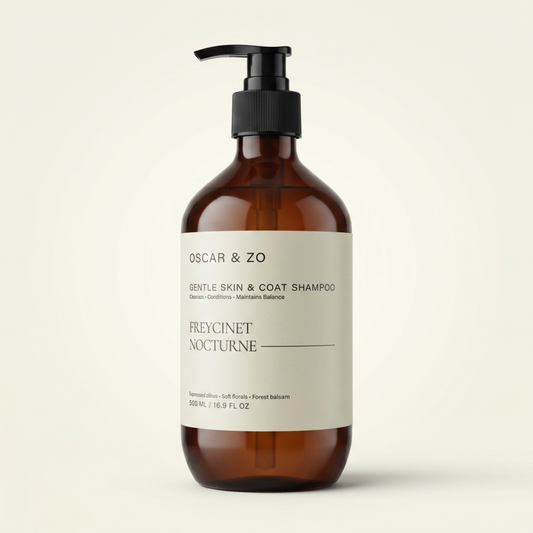
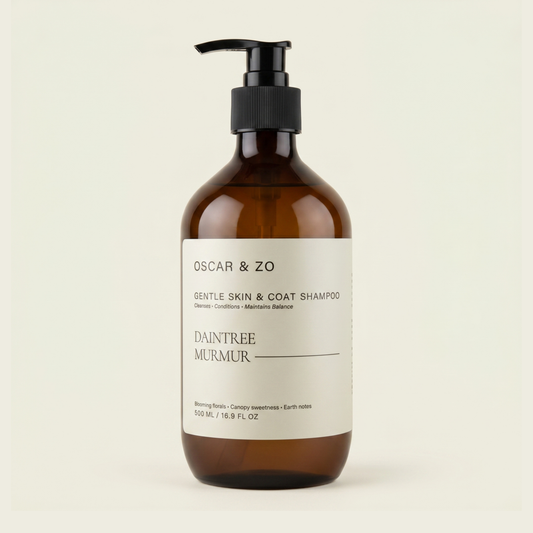
Oscar & Zo: Skin & Coat Shampoo
Oscar & Zo Skin & Coat Shampoo can be part of your dog’s bathing routine once brushing has loosened tangles and loose hair. Work it through the coat as directed on the label, then rinse thoroughly so residue doesn’t remain near the skin. Dry the undercoat fully after bathing.
Shampoo supports a clean coat, but it doesn’t remove the need for regular brushing or make shaving suitable for managing seasonal shedding. Keep the routine gentle, and speak with your veterinarian about ongoing itching, odour or irritated skin. For a considered bath-time addition to your dog’s coat-care routine, visit oscarandzo.com.au.
Make coat care a gentle routine
Let your dog’s comfort guide each grooming session. A calm, repeatable routine can make coat care feel less like a task and more like a familiar moment together. Keep noticing how your dog responds, and adjust the pace when brushing or bathing seems uncomfortable. If skin irritation, persistent itching or unusual odour continues, speak with your veterinarian.
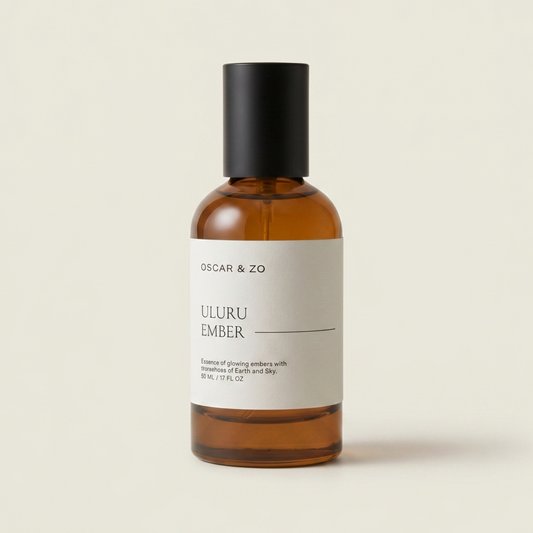
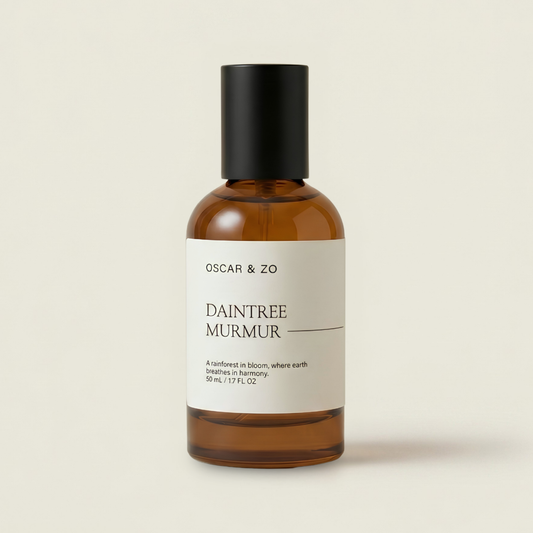
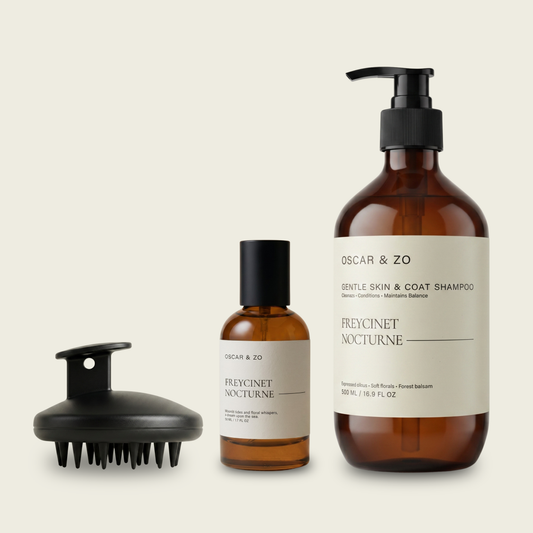
As you settle into grooming a double-coated dog, focus on consistency rather than trying to manage every loose hair at once. Choose practical care that fits your home routine, from Skin & Coat Shampoo for bath time to Pet Fragrance for a fresh finishing touch. Ritual Sets bring together grooming essentials for a more considered routine.
For a gentle next step, explore Oscar & Zo’s coat-care essentials and find options for your dog’s grooming routine. Small, thoughtful sessions can help make everyday care more comfortable for both of you.
Oscar & Zo for Double-Coat Grooming
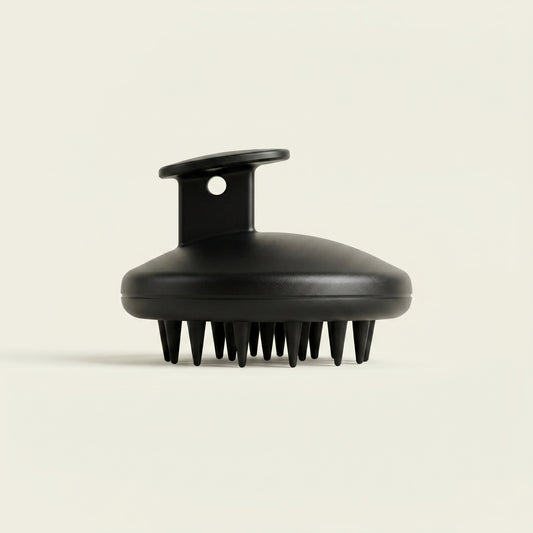
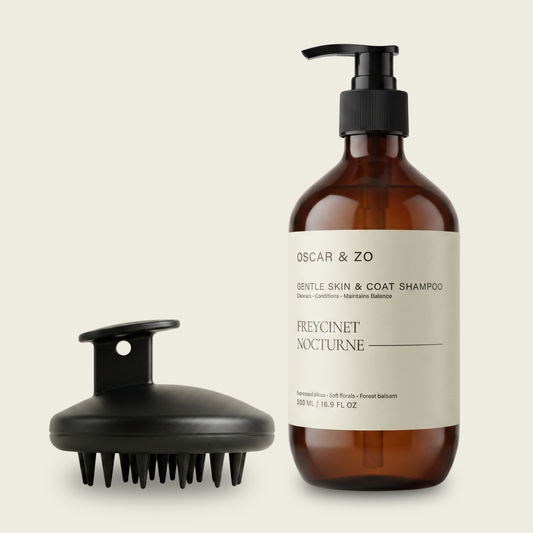
Oscar & Zo offers grooming products to consider after brushing and bathing your double-coated dog. Skin & Coat Shampoo fits the bathing step, while Grooming Tools support hands-on care.
For a finishing touch, explore Pet Fragrance or Ritual Sets. If you’re deciding what suits your grooming routine, Oscar & Zo’s Discovery Set is another option.
Frequently Asked Questions
To Shave or Not To Shave?
For routine care, avoid shaving the body coat. Before trimming, identify the specific area causing difficulty and consider whether a small tidy would solve it. Hair around the paw pads, for example, may need attention if it collects debris. A close body clip is different and shouldn’t be used simply to make a dog look neater. If compacted hair keeps the skin damp, seek experienced grooming help rather than cutting into it at home.
What does dog grooming typically include?
Alongside coat care, a home grooming routine can include checking claws, dew claws, eyes, ears and teeth. Look for eye discharge each day, and inspect ears for dirt or signs of irritation at least monthly. Brush teeth daily where possible, using a soft toothbrush and toothpaste made for dogs. If you’re unsure about nail trimming, a veterinary nurse can show you a safe approach.
What if my dog doesn’t like to be groomed?
Make handling familiar before beginning a full grooming session. Let your dog sniff the brush, then briefly touch a shoulder or paw and reward calm behaviour. Repeat with one small step at a time, such as lifting an ear or holding a paw, and finish before your dog becomes distressed. With a puppy, gentle brushing and handling can begin once they arrive home.
Why Brush Double Coats?
Brushing gives you a chance to notice small changes while your dog is relaxed and standing naturally. Compare how the coat feels on each side, for example, and look for a new tender spot when parting the hair. You may also spot a grass seed or burr after a walk, before it becomes difficult to reach. Use your fingers to inspect delicate areas before bringing in a brush.
How often should you groom a double-coated dog?
Let the coat’s condition guide your schedule. If a comb repeatedly catches in the same places, add focused brushing there instead of waiting for a larger knot. Dogs with longer feathering may need more attention behind the ears or around the tail than dogs with shorter coats. Keep a simple note of where tangles form, then adjust your routine as the coat changes.
What tools are best for grooming a double-coated dog?
Choose tools that suit your dog’s coat length and comfort. A soft slicker is a gentler option for puppies, while an adult dog may tolerate a medium-strength slicker. Longer coats often need longer bristles and a wide-toothed comb to reach through the hair. Test a tool on a small area first, and stop if it scratches the skin or makes your dog pull away.
How to brush and deshed a double-coated dog step by step?
Prepare a calm space and let your dog settle. Work in small sections rather than tackling the whole coat at once, pausing to praise your dog before moving on. Watch their body language: turning away, licking lips or pulling a paw back can signal discomfort. Keep sessions brief enough for your dog to stay settled, and return to unfinished areas later.
Can you shave a double-coated dog, and what are the risks?
Shaving is generally unsuitable for routine coat care. If your dog has already been shaved, avoid repeatedly clipping uneven regrowth to make it look uniform, as this removes more coat. Protect the skin from direct sun and watch for irritation as the coat grows. Contact your veterinarian about persistent skin changes or discomfort, especially if regrowth is uneven.