



How to Groom a Border Collie at Home and Care for Its Coat

For a steady home routine, brush your Border Collie at least 2-3 times a week and bathe them about every 6-8 weeks. Knowing how to groom a Border Collie at home also means adjusting your brushing when the coat sheds more heavily in spring and autumn, when daily brushing may help.
A Border Collie’s thick double coat can leave loose hair around the house, especially during seasonal shedding. A calm, regular routine helps keep the coat comfortable and gives you a chance to spot tangles, burrs or grass seeds.
This guide explains how to groom a Border Collie at home, including which tools to use, how to brush gently, and how to bathe and dry the coat thoroughly. You’ll also find practical ways to manage shedding and keep grooming settled for both of you.
Key Takeaways
- Care for both layers of your Border Collie’s double coat, and avoid shaving the body.
- Brush out loose hair and tangles before bathing, then rinse and dry the coat thoroughly.
- During Australia’s spring and autumn coat blows, adjust your routine to help manage the undercoat release.
- Pay close attention to areas where tangles can form, and check your dog’s coat for grass seeds during the warmer months.
How Often Should You Groom a Border Collie?
Groom a Border Collie by brushing through the coat, checking sensitive areas, and bathing when needed. A rough-coated dog may need a full groom every 6 to 8 weeks; a smooth-coated dog is generally groomed every 8 weeks.
- Work with both coat layers. A Border Collie’s double coat has a soft undercoat and a coarser outer layer. Brush in sections from the skin outwards, lifting the longer hair to reach loose undercoat. Finish each section with a comb, especially behind the ears, under the arms and around the tail. This step-by-step approach helps you find tangles before they tighten.
- Set a routine for your dog’s coat. Rough- and smooth-coated Border Collies shed the same amount, although loose hair is more noticeable on a rough coat. Plan a full groom every 6 to 8 weeks for a rough coat, or every 8 weeks for a smooth coat. A wash and deshed every 8 weeks can also suit a regular maintenance routine.
- Adjust during seasonal shedding. Border Collies typically shed their undercoat in spring and autumn. During a coat blow, groom every 4 to 6 weeks and brush more often between sessions. Daily brushing can help lift loose hair before it collects in the coat or around your home. Check the undercoat carefully, as trapped dead hair can encourage tangles.
- Keep brushing gentle and methodical. Divide the coat into manageable sections and use short strokes rather than pulling through resistance. Pause at knots and ease them apart with your fingers before brushing again. Pay particular attention behind the ears, beneath the legs and at the base of the tail, where friction can gather loose hair.
- Trim nails gradually. Settle your dog on a non-slip surface and hold one paw gently. With dog nail clippers, remove only a small tip at a time, avoiding the sensitive quick inside each nail. If the nails are dark or your dog resists, pause rather than cutting further; a veterinarian can show you a safe technique.
- Clean around the eyes and ears with care. Use a soft, damp cloth to wipe visible discharge from the corners of the eyes. For the outer ear, gently wipe away visible dirt without inserting anything into the ear canal. Redness, discomfort or unusual discharge calls for veterinary advice.
- Leave the body coat unshaved. Shaving a Border Collie’s double coat is discouraged because the two layers help insulate the dog in warm and cold weather. Instead, brush out loose undercoat and tidy only areas that need practical attention, such as feet. This preserves the coat’s natural structure.
Brushing frequency and shedding seasons
Brush your Border Collie at least 2-3 times a week, using a slicker brush and comb. During seasonal shedding, increase brushing to daily sessions and work in small sections to lift loose undercoat and catch tangles early. Learning how to groom a border collie at home starts with a routine you can keep consistent.
-
Set a brushing routine
Set regular brushing days that suit your routine so loose hair is managed steadily. Border Collies typically shed their undercoat in spring and autumn; during these coat changes, daily brushing can help lift loose hair as it releases.
In Australia, the spring coat blow often falls around September and October, while the autumn blow runs through March and April. Brush more often if loose hair gathers quickly, but keep sessions calm and stop if your dog seems uncomfortable.
A slicker brush can help loosen surface hair, while a comb checks whether the coat is clear through to the undercoat. For maintenance brushing, lightly mist the coat with water and conditioner or use a grooming spray. Avoid forcing a brush through a dry coat, which can pull at the hair.
-
Brush through mat-prone areas
Start behind the ears, then check under the arms and at the base of the tail. Hair can mat in these areas where it rubs during movement. Separate the coat with your fingers, then brush a small section at a time, working from the ends towards the skin.
Use short, gentle strokes and pause if the brush catches. Don’t yank at a knot or drag a comb through it; first tease the hair apart with your fingers. A wide-tooth comb can help you check for small snags after brushing, especially beneath longer feathering.
Check the skin as you work. If a mat is tight or close to the skin, don’t cut it out with scissors, as the skin can be difficult to see beneath the coat. Work on manageable areas and return to loose sections later.
-
Manage shedding and prevent mats
Part the coat into narrow lines and brush each exposed strip from the skin outwards. Line brushing helps reach loose undercoat beneath the longer outer hair, rather than smoothing only the surface. Work across the body section by section, checking each line before moving on.
During spring and autumn coat changes, daily brushing can help remove shedding hair before it gathers into clumps. Pay particular attention behind the ears, under the arms and around the tail. Ease out any burr gently so it doesn’t tighten into a mat. Adjust your brushing as the coat changes through the seasons.
Finish with a slow comb-through of the areas you’ve brushed. If the comb moves through without catching, continue to the next section. If it snags, use your fingers and brush to work through that small area. This final pass helps you find remaining tangles before they become harder to loosen.
Bathing frequency and suitable shampoo
Common home-grooming mistakes include pulling at mats, leaving shampoo residue and not drying the undercoat thoroughly. Arrange professional grooming if mats are difficult to loosen. Contact your vet about a red, weeping or itchy hot spot.
- Brush before the bath. Work through loose hair and tangles before wetting the coat, because knots can tighten when wet. Check behind the ears, under the arms and around the tail. For a burr, apply grooming oil or conditioner, leave it for a minute, then ease it out with a comb.
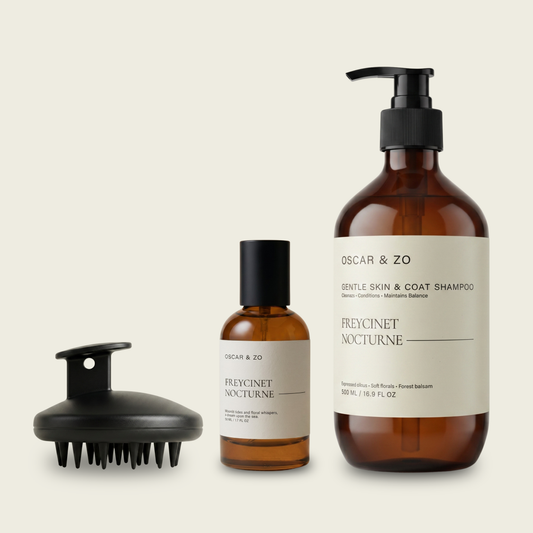
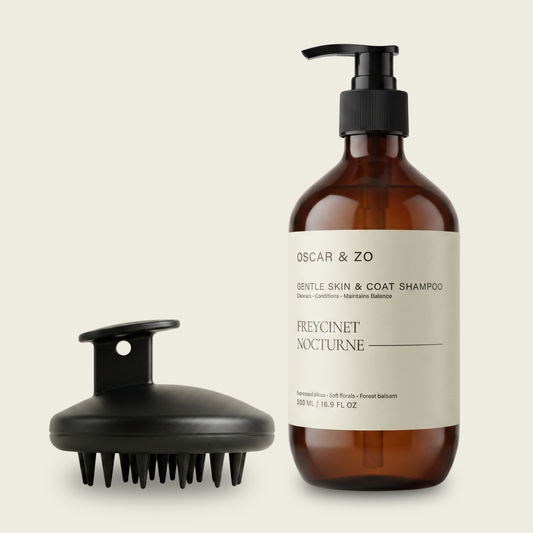
- Choose a dog shampoo. Use shampoo made for dogs, not household soap or human shampoo. Choose a product intended for canine use and follow its directions. Keep shampoo away from the eyes and inside the ears. Oscar & Zo Skin & Coat Shampoo can be part of the bath routine.
- Set a bathing rhythm. A Border Collie generally needs a bath every 6-8 weeks, with the timing adjusted for mud, dirt or coat condition. Brush first, then wet the coat thoroughly and work shampoo through the outer coat and undercoat. Avoid bathing more often than needed, as frequent washing can remove natural oils from the skin and coat.
- Rinse until the water runs clear. Work through the coat in sections, lifting longer hair so water reaches the undercoat. Rinse around the chest, belly, legs and behind the ears, where product can be missed. Shampoo residue may irritate the skin, so rinse until the water runs clear and the coat feels free of product.
- Dry the undercoat completely. Press water from the coat with a towel, then dry the dense undercoat thoroughly. Check the chest, belly and areas beneath longer feathering, where damp hair can remain hidden. Let your dog rest somewhere warm and comfortable while drying, then check that the coat is dry close to the skin.
- Use professional help when needed. A rough-coated Border Collie may need a full groom every 6 to 8 weeks; a smooth-coated dog is generally groomed every 8 weeks. During a coat blow, grooming every 4 to 6 weeks can help manage loose undercoat. Seek a professional groomer for stubborn mats, and consult your vet if you find a red, weeping or itchy patch.
Another recommendation is to bathe a Border Collie only when necessary, usually every 8-12 weeks. Treat this as a general interval, not a reason to wash a coat that does not need it; the decision should remain tied to whether bathing is necessary.
Rinsing and drying deserve as much attention as shampooing. Rinse until the water runs clear, as shampoo residue may irritate the skin. After the bath, dry the undercoat thoroughly. Don’t stop when the outer coat feels dry; check close to the skin, where moisture can remain.

Recommended grooming tools
Gather a slicker brush, a comb and a suitable grooming spray before starting. Keep each tool nearby so you can work through your Border Collie’s coat calmly, without pulling or rushing.
-
Choose a slicker brush for loose coat hair. A slicker brush helps lift loose hair from the outer coat. Use light strokes in the direction of hair growth, without pressing firmly against the skin. Work on one small area at a time, such as the shoulder or flank, and pause if your dog shifts away.
A rough-coated Border Collie may need extra care around longer feathering on the legs and chest. A smooth-coated dog has shorter hair but still benefits from brushing to lift shedding undercoat. Choose a brush that feels manageable and moves through the coat without scraping.
-
Keep a comb for checking the coat. After brushing, gently draw a wide-tooth comb through the hair. It can reveal small snags a brush might smooth over, particularly behind the ears, under the arms and at the base of the tail. If the comb catches, stop and loosen the spot with your fingers.
A comb can also help ease out a burr. Apply grooming oil or conditioner, leave it for a minute, then comb carefully from the hair tips towards the burr. Don’t tug against the skin or force a knot through the teeth.
-
Use a light mist before maintenance brushing. A grooming spray can prepare the coat for brushing. Alternatively, lightly mist the hair with water and conditioner, then brush in sections. Use enough to lightly dampen the coat, not soak it. This helps reduce friction as the brush moves through longer feathering.
Follow product directions and keep sprays away from your dog’s eyes and nose. Avoid using a human hair product unless it’s specifically intended for dogs. A few light sprays are easier to distribute evenly than a heavy application.
- Prepare towels and a drying space. Keep absorbent towels within reach before bathing so you can gently press water from the coat straight away. Choose a calm, draught-free place for drying, especially in cool or wet weather. Check the dense undercoat closely, as dampness can remain beneath longer topcoat hair.
- Keep nail clippers separate from coat tools. Dog nail clippers are for trimming nail tips, not cutting mats or coat hair. Use them only when your dog is settled, removing a small tip at a time. Keep scissors away from the grooming area, especially when a tight mat hides the skin beneath it.
- Clean and store tools after each session. Remove collected hair from the slicker brush and comb before putting them away. Check for bent or damaged teeth that could catch the coat next time. Store sprays, conditioner and grooming tools together so everything is ready for your next brushing session.
Seasonal shedding and coat-blowing schedules
Border Collies typically shed their undercoat twice a year, in spring and autumn. In Australia, coat blowing often occurs around September and October, then again through March and April.
Track seasonal shedding
-
Mark the seasonal changes on your calendar. Note when loose undercoat starts appearing more heavily, then adjust grooming as the coat releases. Each seasonal shed can last a few weeks, so keep the routine flexible rather than expecting one session to clear everything.
In Australia, watch for the spring blow around September and October and the autumn blow through March and April. Shedding varies between dogs and seasons, so use the amount of loose hair and the coat’s condition to guide your schedule.
During these periods, make time for daily deshedding sessions of 15-20 minutes. Work gently and pause if your dog becomes uncomfortable. If the coat continues releasing loose hair after a session, return to it later rather than trying to remove everything at once.
Remove loose undercoat
-
Lift out released undercoat in small sections. Use a suitable grooming tool with light strokes in the direction of hair growth. Focus where loose undercoat gathers, and avoid repeatedly scraping the same patch. Aim to remove hair that has already loosened, not to pull out coat that is still attached.
Check the skin between strokes, especially beneath thicker feathering. Stop if you see irritation or your dog seems uncomfortable. Working slowly, section by section, helps you control pressure and notice tangles before loose hair packs around them.
In spring and autumn, brush through the coat daily during the active coat blow, keeping each session to 15-20 minutes. If a section still feels dense, leave it for the next session instead of increasing pressure. Consistent deshedding across the few weeks of seasonal release is gentler than one prolonged attempt.
Keep a separate seasonal check for grass seeds in Australia. From October to February, inspect your Border Collie’s coat daily, and check feathering after every walk. Look between the toes and around the ears, underarms, belly and chest, where seeds can be difficult to spot among loose undercoat. Remove only seeds sitting on the coat; consult your vet if one is embedded or your dog seems uncomfortable.
Shedding can vary with the season, but it does not necessarily mean a dog’s coat is helping body heat escape or allowing cool air to circulate next to the skin. Matting and tangling can occur at other times too, particularly if loose hair is not removed.
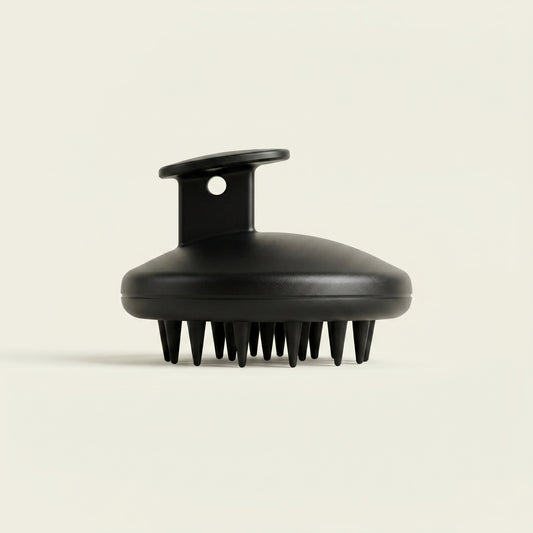
Oscar & Zo: Grooming Tools
Oscar & Zo offers Grooming Tools to support a steady at-home brushing routine for your Border Collie. Use suitable tools to work through the coat gently, check for tangles and lift loose hair during seasonal shedding.
For bath days, Oscar & Zo Skin & Coat Shampoo can be part of your wash routine. Follow the product directions, rinse thoroughly and dry the undercoat completely. Pet Fragrance is intended to refresh the coat between washes, while Ritual Sets bring grooming essentials together for everyday care.
Choose the steps and tools that suit your dog’s coat and comfort. If you’d like help finding a place to begin, you’re welcome to contact Oscar & Zo.
Make grooming a gentle routine
Think of each grooming session as a chance to notice what your Border Collie’s coat needs. A quiet space, patient handling and familiar tools can make care feel more settled over time. If you’re learning how to groom a Border Collie at home, let your dog’s comfort guide the pace and keep each step simple and consistent.
For the parts of the routine beyond brushing, Oscar & Zo offers Skin & Coat Shampoo, Pet Fragrance and Ritual Sets. Choose products that fit your approach to coat care and follow the directions as part of your dog’s routine.
Questions about incorporating these grooming essentials into your routine? Contact Oscar & Zo about grooming care. With a little patience and attentive care, grooming can become a comfortable part of life together.
Oscar & Zo for At-Home Border Collie Grooming
Oscar & Zo offers Skin & Coat Shampoo and Grooming Tools for the bath and brushing steps in your Border Collie’s grooming routine.
When you’re ready to choose products for those steps, explore Oscar & Zo’s Ritual Sets or Discovery Set. Pet Fragrance is also part of the range.
Frequently Asked Questions
What grooming tools do you need for a Border Collie at home?
Start with a slicker brush, a wide-tooth comb and dog nail clippers. Keep a towel nearby for bath days, along with a dog-safe grooming spray or water and conditioner for brushing. Before each session, check that brush pins and comb teeth are smooth and undamaged. If your dog is new to grooming, let them sniff each tool before you begin.
How often should you bathe a Border Collie and which dog shampoo is safe?
A Border Collie generally needs a bath every 6-8 weeks, or sooner if the coat is dirty or muddy. Choose a shampoo made for dogs, such as Oscar & Zo Skin & Coat Shampoo, and follow its directions. Wet the coat, work the shampoo through gently and rinse thoroughly. Keep it away from the eyes, ears and mouth, and discontinue use if irritation occurs.
Should you trim or shave a Border Collie’s coat, especially in summer?
Don’t shave a Border Collie’s body, even in summer. The double coat helps insulate against heat and cold, so shaving isn’t a substitute for sensible warm-weather care. Keep the coat brushed, provide shade and fresh water, and avoid strenuous activity during the hottest parts of the day. If feathering needs tidying, don’t cut close to the skin or try to trim out mats yourself.