



Grooming for long-haired cats: bathing, mats and coat care

What if the best coat-care routine for a long-haired cat begins with a brush, not a bath? For grooming for long-haired cats at home, regular brushing is the everyday essential: it helps keep the coat free of loose fur and tangles. Most cats don’t need frequent baths unless their coat becomes greasy or soiled.
It’s understandable to wonder whether a fluffy coat needs extra washing, especially when shedding and small knots appear. For grooming for long-haired cats at home, gentle, consistent brushing is usually a better place to start than bathing. If your cat needs a wash, use a cat-safe shampoo and rinse thoroughly with lukewarm water.
This guide explains how often to brush, how to manage shedding and what to do when you find a mat. You’ll also learn when a bath may help, how to make grooming calmer and more familiar, and when a tight or skin-close mat should be left to an experienced professional. A steady routine and a light touch can make coat care a comfortable part of life together.
Key takeaways
- Let your cat’s coat guide bath time. Most cats need a wash only when their fur becomes greasy or soiled, and shampoo should be made for cats.
- Check mat-prone areas regularly, including behind the ears, under the armpits and along the belly. Avoid cutting tight mats close to the skin.
- During heavier shedding, increase gentle brushing to help lift loose fur before it tangles in the coat.
- Keep grooming sessions calm and brief, using light strokes in the direction the fur grows and pausing if your cat seems uncomfortable.
- Choose a comb and brush suited to a long coat, then build a simple routine your cat can become comfortable with.
1. Do long-haired cats need baths?
Most long-haired cats don’t need frequent baths. Regular brushing is usually enough unless the coat becomes greasy or soiled. A healthy cat may need a bath only when necessary, perhaps once every few months. The right approach depends on the coat: a small patch of dirt may need gentle spot-cleaning, while widespread grease or mess may make a full bath more practical.
Check the coat before running water. If it’s clean and free of residue, brushing is often the better choice. Bathing a tangled coat can make knots harder to manage, so gently work through loose ones with your fingers first. Don’t pull at the skin or bathe over tight mats. Clippers aren’t a substitute for detangling; an experienced professional is better suited to handling close mats.
For a cat nervous around water, try a warm, damp sponge or bathing wipes on the soiled area. Cat-safe waterless shampoo is another option if it’s made for cats. Follow the product directions and keep it away from your cat’s eyes and mouth. These approaches can freshen a small area without immersing the whole coat.
If a bath is needed, prepare a calm, warm space and use lukewarm water with gentle, cat-safe shampoo. Wet the coat carefully, then work the shampoo through without scrubbing or tugging at long fur. Avoid human shampoo, dog products and products containing essential oils. Cats may lick their coats while grooming, so use only shampoo made for cats.
Rinsing is essential, not an afterthought. Rinse with lukewarm water until the coat feels free of shampoo, paying attention to the belly, chest and areas beneath longer fur. Residue can irritate the skin and attract dirt. Keep the water flow gentle, support your cat securely and pause if bathing becomes distressing.
After rinsing, gently squeeze excess water from the coat with your hands, then pat it with a towel rather than rubbing. Keep your cat in a warm, comfortable room while the coat dries, away from cold or draughty areas. Once the fur is dry, use a comb to check for tangles that may have tightened during bathing. If skin irritation appears, or bathing is needed for a skin condition, ask your veterinarian about suitable care.
2. Finding and safely handling mats
Check the coat with your fingers and a wide-tooth comb, working in the direction the fur grows. Pay particular attention behind the ears, under the armpits, along the belly and near the tail, where friction and movement can encourage tangles. Part the coat gently to see whether a knot is in the loose outer fur or close to the skin. A mat that feels tight, large or skin-close needs professional attention, not scissors at home.
For a small, loose knot, start with your fingers. Hold the fur around it and gently tease apart the outer strands, stopping if your cat pulls away or seems uncomfortable. Pulling can stretch the skin and cause pain, even when a tangle looks minor. Keep your cat settled on a stable surface and work in short, calm pauses rather than trying to remove every knot at once.
If the mat starts to loosen, support its base close to the skin with one hand. With the other, work from the ends of the fur inward, freeing a few strands at a time. This reduces pulling at the roots and helps you judge how close the knot is to the skin. A wide-tooth comb can then pass gently through the separated fur. Don’t force the teeth through resistance or use the comb to pull out a mat.
Stop if the knot doesn’t loosen with light handling, your cat reacts as though it hurts, or the skin is hidden beneath the mat. Tight mats can hold the coat against delicate skin, making it difficult to tell where fur ends and skin begins. Household scissors can injure skin caught in a knot. Clippers also need careful handling around loose skin and aren’t a safe shortcut for removing a close mat.
Blunt-nosed safety scissors may be used slowly to trim a small, loose mat only when the skin is clearly visible and well away from the blades. Keep the blades parallel to the coat, never pointing towards the body, and stop if your cat moves. If you can’t see the skin clearly or the mat is close to it, leave removal to a professional groomer experienced with cats. Avoid repeated attempts that pull at the same area.
After loosening a knot, comb the surrounding fur to check for smaller tangles connected to it. Check the skin for redness or tenderness, and pause grooming if you notice either. A brief check of the belly and tail during regular brushing can help you find knots while they’re still loose, making gentle removal easier and keeping the coat comfortable.
3. Grooming during shedding season
Long-haired cats may shed more at certain times of year, including spring and autumn, when seasonal coat changes bring loose fur into the brush. Shedding patterns vary between cats and can also be influenced by their environment. A thicker undercoat may leave loose hair caught beneath the longer outer fur, so brushing helps remove it before it forms tangles.
For cat owners in Australia, a practical approach is gentle, regular grooming with suitable tools, stopping if your cat becomes distressed. Seek veterinary advice if shedding occurs alongside skin changes such as redness, scabs or bald patches. These signs need more than a change to the brushing routine.
During heavier shedding, aim to brush your long-haired cat daily using light strokes. Focus on areas where loose undercoat can become trapped, such as the belly, chest and hindquarters. A comb can find knots beneath the surface, while a suitable brush lifts loose fur. Keep each session calm and brief, and pause if your cat shows discomfort.
An undercoat rake or other seasonal shedding tool can help remove loose undercoat during heavier shedding. Use it once or twice a week in heavy shedding seasons, rather than applying firm pressure every day. Move the tool gently through the coat and stop if it catches. A tool that pulls or irritates the skin can make grooming uncomfortable, so a regular comb may suit sensitive areas better.
Brushing also removes loose hair before your cat swallows it while self-grooming. Work methodically from one section to another, checking the brush between passes so shed hair doesn’t build up and tug at the coat. Don’t try to remove every loose strand in one sitting. Several gentle sessions are easier to keep comfortable than prolonged brushing.
Seasonal shedding isn’t the only reason a cat may lose fur. Coat type, the individual cat and changes in skin or coat condition can all affect what you see. Long-haired cats may need closer attention because loose undercoat can become caught in the outer coat. If you notice a sudden change, persistent scratching or a bald patch, contact your veterinarian rather than brushing more often or using a shedding tool more frequently.

4. Grooming schedules and brushing technique
Long-haired cats benefit from daily brushing to remove loose hair before it tangles. Add a thorough comb-through once a week to check beneath the top layer. Older cats, or those with limited mobility or flexibility, may need more frequent help because reaching their back, belly or hindquarters can be difficult.
Choose tools that suit your cat’s coat and the area you’re grooming. A metal comb with teeth that reach the undercoat can find knots beneath longer fur. Follow with a slicker brush or rubber mitt to lift loose hair. A deshedding tool is for occasional use, not every brushing: use it no more than once or twice a week.
Use short, light strokes in the direction the hair grows. Work from the front of the body towards the back, then check the chest, belly and areas behind the legs. Hold the coat near the skin as you brush so the skin doesn’t pull with each stroke. Use a two-sided comb carefully around sensitive areas such as the face, and stop if you notice skin irritation.
Make each session manageable. Initial grooming sessions can last 5 to 10 minutes, with time gradually increased as your cat becomes accustomed to handling. If your cat isn’t used to brushing, begin with just a few minutes and finish before they become unsettled. Keep the brush nearby, let your cat sniff it, then try a gentle stroke on an area they already enjoy being touched.
For kittens, introduce grooming early and make the first steps gentle and familiar. A small toothbrush can help a long-haired kitten get used to brushing. Begin on a favourite stroking area, such as the cheek or shoulder, and reward calm behaviour with a tiny treat. Gradually introduce a comb once the kitten accepts the sensation.
Watch your cat’s response throughout each session. Flattened ears, repeated attempts to move away or sudden sensitivity are signs to pause. Don’t brush over a mat that resists the comb, and never force your way through a knot. A comfortable routine depends on gentle handling, a suitable tool and your cat’s tolerance that day. Shampoo is for bathing, not detangling; brush the coat when it’s dry, and stop if grooming appears painful.
5. Long-haired cat coat care
A healthy coat needs more than brushing: regular, gentle checks help you notice changes. Part the fur in a few places, such as the shoulders, belly and base of the tail, and look for redness, flakes, scabs or small bald patches. Thick fur can conceal skin, fleas and ticks, so these checks are useful even when the outer coat looks smooth.
Notice how your cat grooms between care sessions. A cat that usually keeps its coat tidy but suddenly looks unkempt may be unwell or uncomfortable. Persistent licking, chewing or scratching, especially around the head and neck, can also point to a skin problem. Contact your veterinarian if you notice these changes, sores, unusual odours or a sudden reluctance to be touched.
For a simple coat check, pass a comb through the fur in the direction it grows, then gently against the direction in one small area. This can reveal flea dirt or debris hidden close to the skin. Keep the movement light, and stop if the comb catches or your cat reacts. Check the comb and part the fur to distinguish loose dirt from a change in the skin.
The rear coat deserves attention, too. Long fur around the hindquarters can collect litter or other residue, which may irritate the skin. Check beneath the tail and around the inner thighs after your cat uses the litter tray. If the fur repeatedly becomes soiled, ask your veterinarian or an experienced cat groomer about a suitable trim. Don’t use scissors near the skin if your cat is wriggling or the fur obscures the blades.
Some coat changes need veterinary attention rather than more grooming. Redness, scabs, bald areas, sores, foul-smelling fur or skin, and excessive biting or licking are reasons to seek advice. A veterinarian can assess the skin and coat and advise whether further care is needed. Avoid applying shampoos, sprays or other products to irritated skin unless your veterinarian recommends them.
Patience matters when your cat dislikes being handled. Choose a quiet moment, let them settle, then check one area at a time, such as the shoulders today and the tail base later. Keep notes of unusual changes, including where they appear and whether they persist. A balanced diet supports healthy skin and coat, while a steady routine helps you recognise what’s normal for your cat.
Oscar & Zo: Grooming Tools
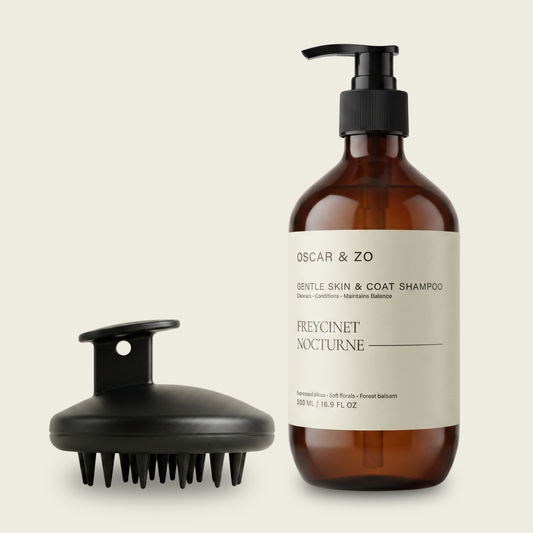
Oscar & Zo’s Grooming Tools can help make regular coat checks and brushing part of a calm home routine. Choose a tool suited to your cat’s coat, and use light strokes to lift loose fur without pulling at tangles. For bath time, Oscar & Zo’s Skin & Coat Shampoo is suitable for cats when their coat needs washing. Follow the label directions and rinse thoroughly.
These essentials support everyday coat care, but they don’t replace veterinary advice or professional help with tight, skin-close mats. Explore Oscar & Zo’s grooming essentials to choose products for your cat’s routine.
Make coat care a gentle ritual
A familiar grooming rhythm can become a quiet point of connection, shaped around your cat’s comfort and changing coat. Keep the routine flexible: some days may suit a careful check, while others are better kept brief. Patient, attentive care matters more than completing every task at once.
For grooming for long-haired cats at home, choose essentials that fit naturally into your cat’s routine. Oscar & Zo offers Skin & Coat Shampoo and Ritual Sets alongside its Grooming Tools. If you’re considering which care essentials may suit your household, you’re welcome to contact Oscar & Zo.
Take the next step gently, guided by your cat’s comfort and the small signs their coat gives you. A thoughtful routine can grow with you both, one calm moment at a time.
Frequently asked questions
Do long-haired cats need baths?
Usually, no. A bath is for a coat that’s become greasy or soiled, not a routine cats need simply because their fur is long. If only the paws or rear are dirty, clean the affected area rather than washing the whole coat. Your veterinarian may recommend a specific bathing plan for a skin condition, so follow their directions in that situation.
Is it time to call a professional groomer or your veterinarian?
Consider a cat-experienced groomer when coat care is difficult because of a close mat or your cat’s handling needs. A veterinarian is the right contact for changes that may involve health, including red or scabby skin, bald patches, sores or persistent licking. If you’re unsure whether an issue concerns coat care or health, start with your veterinarian.
Why should you regularly groom your long-haired cat?
Grooming gives you a chance to notice what’s normal for your cat, including how they respond to touch and how their coat feels. That familiarity can make a new change easier to spot. It can also help cats that struggle to reach their backs or hindquarters keep those areas comfortable. Grooming for long-haired cats at home works best as a calm, familiar part of everyday care.
How often should you brush a long-haired cat?
Daily brushing is useful for long-haired cats, with a thorough comb-through once a week. Adjust the routine to your cat’s comfort and ability to groom themselves. An older cat or one with limited flexibility may need extra help with hard-to-reach areas. For a kitten, short, positive introductions can help brushing feel familiar rather than like an unexpected handling experience.
What brushes and combs work best for long-haired cats?
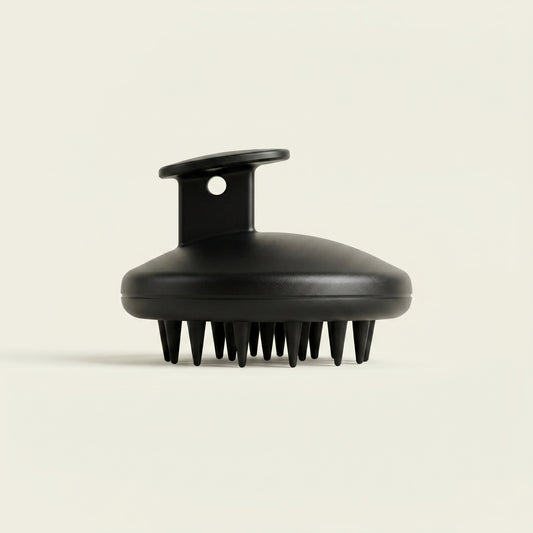
A metal comb can help you assess the coat, while a slicker brush or rubber mitt lifts loose fur. Choose a comb that reaches the undercoat without catching, and use a gentler touch around the face. A bath massage brush is for use with water and pet shampoo during bathing, not as a dry-grooming, detangling or deshedding tool.
How do you safely remove mats and tangles from a cat's coat?
Only try to loosen a small, soft knot that gives way easily. Support the coat close to the skin, then separate a few strands with your fingers. If your cat flinches, the knot feels firm or you can’t see the skin, stop. Repeated pulling can make grooming unpleasant and strain your cat’s trust, so leave difficult mats to a cat-experienced groomer.
How do you bathe a long-haired cat at home, and how often?
Prepare a quiet space and have a towel ready before bringing your cat to the bath area. Use lukewarm water and cat-safe shampoo, then rinse carefully so no residue remains in the coat. Most cats need a bath only when their fur is greasy or soiled, perhaps once every few months. If bathing is for a skin concern, follow your veterinarian’s advice.
What are the risks of shaving or cutting a cat's mats at home?
Scissors can cut skin caught within a mat, even when the fur looks easy to trim. Clippers can also catch loose skin, particularly if your cat moves suddenly. Removing the whole coat can expose skin and affect temperature regulation. Leave tight or skin-close mats to a professional groomer, and only shave the coat if a veterinarian or groomer recommends it.