


Dry a Dog After a Bath: Choose Between a Towel and Dryer

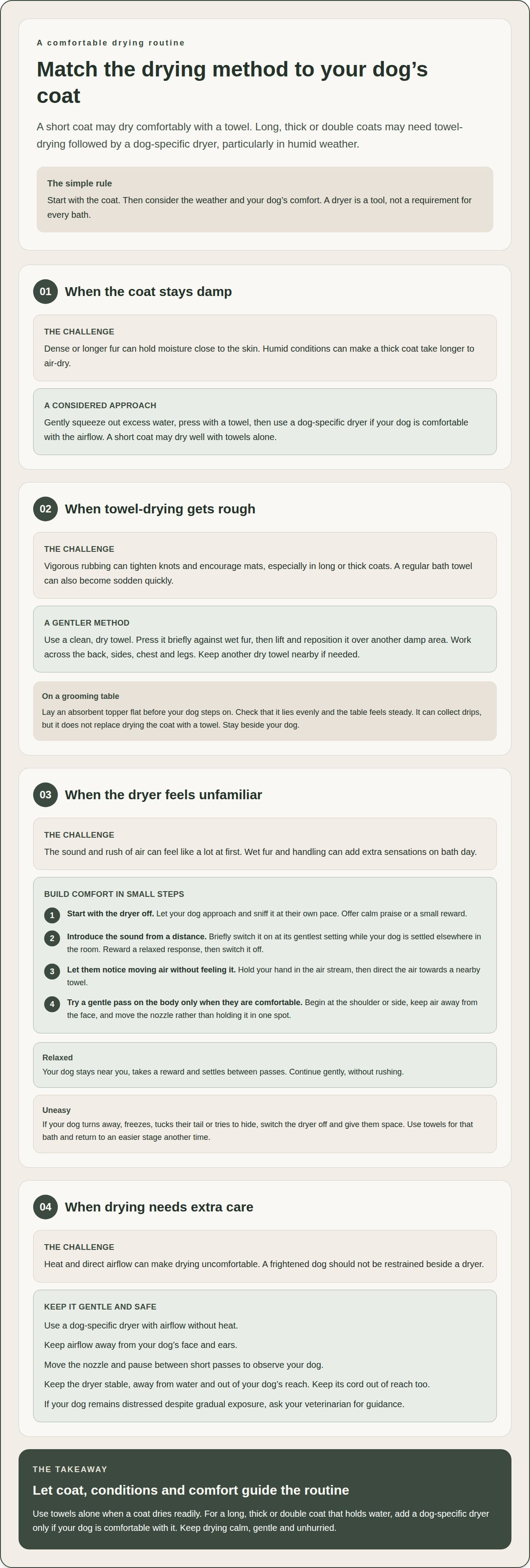
A towel may not be enough after bath time. The best way to dry a dog after a bath depends on coat type and weather: long or thick coats may need gentle towel-drying followed by a dog-specific dryer, while a short coat may dry comfortably with a towel. Introduce a dryer gradually, so your dog can get used to its sound and airflow.
It’s understandable if the noise or rush of air feels like a lot at first. A calm, unhurried introduction can help your dog feel more comfortable. When a dryer isn’t needed, careful towel-drying is a gentle alternative.
This guide explains why a dog dryer can be useful, how to introduce one in small steps, and how to keep drying comfortable and safe. It also compares towels with an absorbent grooming table topper, helping you choose a routine that suits your dog’s coat, comfort and home environment.
Key Takeaways
- Choose between towel-drying and a dog dryer based on your dog’s coat and the weather, with thicker coats often needing both.
- Introduce dryer noise and airflow gradually, allowing your dog to get comfortable before a full drying session.
- Press towels gently against wet fur to absorb water, rather than rubbing and risking tangles.
- Use airflow without heat and keep it away from your dog’s face and ears.
- Dry each area thoughtfully, and use the process to notice any changes on your dog’s skin that may need veterinary attention.
Why Use a Dog Blow Dryer?
A dog blow dryer can help remove moisture from coats that stay damp after towel-drying. The best method depends on your dog’s coat and the weather: a short coat may dry well with towels, while a long, thick or double coat may need towel-drying followed by a dog-specific dryer. In humid conditions, a dense coat can take longer to air-dry, with moisture lingering close to the skin.
Drying thoroughly supports comfort as well as appearance. A damp coat can tangle or mat, and lingering moisture may contribute to skin problems. Drying also gives you a chance to notice changes such as a scrape or irritation. A dog-specific dryer moves air through the coat to dislodge water without relying on heat. Avoid human hairdryers, which can expose a dog’s sensitive skin to excessive heat.
Choose shampoo that suits your dog’s coat and skin-care routine. A coat-cleaning shampoo removes dirt before drying, while some coats may benefit from conditioner. Consider whether your dog’s coat needs it, as a heavy conditioner can hold moisture and add drying time. Follow the product directions and rinse thoroughly, since leftover product can leave the coat feeling coated and harder to dry.
In Australia, options include absorbent dog towels, ordinary bath towels and dog-specific blow dryers. Prices vary by product type, material and size, so one figure cannot fairly compare them. Professional blow-drying or grooming may suit a dense, long coat that’s difficult to dry at home. A short-coated dog who is comfortable with towels may need less help.
| Option | Coat and weather fit | What to consider |
|---|---|---|
| Bath towel | Short coats and initial water removal | Can become sodden quickly; press rather than rub. |
| Absorbent dog towel | First drying step for many coats | Microfibre towels are lightweight and absorbent. |
| Dog-specific dryer | Long, thick or double coats, especially in humid weather | Introduce noise and airflow gradually; use airflow without heat. |
| Air-drying | May suit a short coat in comfortable conditions | Less suitable for thick coats or humid weather. |
Choose a method based on coat type, then consider humidity and your dog’s comfort. Use towels alone for a coat that dries readily, or add a dog dryer if dense fur holds water.
For a long coat, gently squeeze out excess water, press with a towel, then use a dog dryer if your dog is comfortable with the airflow. A dryer is a tool, not a requirement for every bath. Match your method to the coat, the conditions and your dog’s response.
Gradually acclimating dogs to dryer noise and airflow
Your dog can get used to a dryer before bath day, when wet fur and handling aren’t adding extra sensations. Start with the dryer switched off. Let your dog approach and sniff it at their own pace, then offer calm praise or a small reward. Keep the appliance stable and its cord out of reach.
Next, let your dog hear the sound from a distance. With your dog settled elsewhere in the room, briefly switch the dryer on at its gentlest setting. If they remain relaxed, reward them and switch it off. Repeat calmly over separate familiarisation sessions. If your dog moves away, freezes, tucks their tail or tries to hide, turn off the dryer and give them space.
Once the sound feels familiar, let your dog experience airflow without directing it at them. Hold your hand in the air stream first, then direct the air towards a nearby towel. Your dog can hear the motor and notice the moving air without feeling it on their coat. Keep the dryer on a stable surface, away from water and your dog’s reach.
Only introduce airflow to your dog’s body when they’re comfortable with the earlier steps. Start at the shoulder or side, keeping the air away from the face. Move the nozzle rather than holding it in one spot. Pause between short passes to observe your dog’s response and offer a quiet reward.
- Relaxed response: Your dog can stay near you, take a reward and settle between passes. Continue gently without rushing to cover the whole coat.
- Uneasy response: Your dog turns away, becomes still or tries to leave. Switch the dryer off, allow a break and return to an easier stage next time.
- Comfortable with the sound: Practise the same routine in the bathroom or drying area, with the appliance still at a distance.
Don’t restrain a frightened dog to keep them beside the dryer. Forcing an introduction can make the sound and airflow harder to tolerate. Use towels for that bath and practise again when your dog is dry and settled. If they remain distressed despite gradual exposure, ask your veterinarian for guidance.
Keep each practice calm and predictable: use the same room, familiar voice and gentle sequence, so these cues become part of a familiar grooming routine.
Using a towel or absorbent topper on the grooming table
Gently squeeze water from your dog’s coat with your hands, working from the shoulders towards the body and legs without twisting or pulling the fur. This removes loose water before you reach for a towel. If your dog is on a grooming table, stay beside them and keep a hand close throughout the drying process.
Lay an absorbent topper flat across the table before your dog steps onto it. It can collect drips beneath the coat and provide a dedicated drying surface. Check that it lies evenly and the table feels steady before positioning your dog. A topper helps manage moisture, but it doesn’t replace drying the coat itself with a towel.
Choose a clean, dry towel and gently press it against wet fur. Hold it briefly, then lift and reposition it over another damp area. Repeat across the back, sides, chest and legs. Avoid vigorous rubbing, especially on long or thick coats, as friction can tighten knots and encourage mats. A regular bath towel can become sodden quickly, so keep another dry towel nearby.
Microfibre dog towels are lightweight and absorb more water than an average bath towel. They can be useful for dense coats or when a household towel gets wet before you’ve finished. For a smaller dog, fold the towel into a manageable section. For a larger dog, work methodically across the coat, using a fresh dry area as the towel absorbs water.
- Prepare the surface. Place the absorbent topper flat on a stable table, then bring over dry towels.
- Remove excess water. Gently squeeze the coat with your hands before towel-drying.
- Press, lift and move. Work over one area at a time, pressing the towel rather than scrubbing.
- Change to a dry section. Replace a saturated towel or use an unused area to continue absorbing moisture.
- Wrap briefly if helpful. A short, comfortable wrap lets the towel absorb more water before you continue.
Keep your dog comfortable as you dry them. If they shift repeatedly or seem unsettled on the table, pause and let them stand somewhere secure before continuing. You can also use a towel on the floor if your dog is more at ease there. For a long coat, separate sections with your fingers and gently press each area instead of rubbing the fur into tangles.
After towel-drying, feel close to the skin beneath the coat, especially around the chest and legs. If those areas still feel damp, use another dry towel or continue with your chosen drying method. A dry topper and fresh towel make the process more comfortable and help keep bath water contained.
Avoiding heat and keeping airflow away from the face and ears
Use airflow, not heat, to dry your dog’s coat. A dryer’s warmth can burn skin, and dogs may not move away quickly enough to avoid discomfort. Choose an airflow-only setting if your dog’s dryer has one. If it doesn’t, use towels instead of warm air. A human hairdryer is not a suitable substitute for a dog-specific dryer.
Before starting, check the dryer setting and point the nozzle away from your dog. Keep it moving over the body rather than directing air at one patch of skin. Hold the nozzle a couple of inches from the fur, allowing airflow to pass through the coat without concentrating in one place. Check your dog’s response as you work.
Keep the air stream away from the face and ears. These areas are delicate, and direct airflow can hurt them. Use a soft, dry towel for the head instead. Gently press it against the fur around the cheeks and forehead, avoiding the eyes, nostrils and ear openings. Don’t point the nozzle towards the ears, even briefly.
- Set up first. Place your dog on a secure surface, then check that the dryer is set to airflow without heat.
- Begin at the body. Start at the shoulder or side, with the nozzle directed along the coat and away from the head.
- Keep the nozzle moving. Use steady passes over the back, sides and legs. Avoid holding airflow on one spot.
- Watch for discomfort. If your dog flinches, turns away or tries to leave, stop the airflow and give them a break.
- Dry the head with a towel. Press gently around the face and ears, keeping fabric and airflow away from the eyes and ear openings.
Short passes make it easier to notice your dog’s response. If your dog relaxes while air moves along the back but turns away when it reaches the neck, stop before approaching the head. Return to a comfortable area or finish with a towel. Don’t hold your dog in place to continue drying.
Check the coat as you go. Part longer fur with your fingers and feel near the skin for dampness, especially beneath the chest and around the legs. If you find a wet patch, direct airflow across nearby fur, not towards the face or ears. Keep the nozzle moving, then check the area again. A dry towel is a useful choice for sensitive spots or a dog unsettled by the dryer.
How do you safely dry a dog’s ears, face, paws, and coat?
Work through your dog’s coat in sections, using a towel for sensitive areas and suitable airflow over the body. Start with the back and sides, then dry the legs and paws. Keep the face and ears out of the dryer’s air stream. A calm, consistent sequence makes it easier to spot damp patches and changes to the skin.
- Dry the body. Move the dryer across the coat, keeping its nozzle a couple of inches from the fur. Avoid heat and keep airflow moving rather than fixed on one spot. Part long fur with your fingers to help check the coat near the skin.
- Pause to brush. When your dog is about halfway dry, pause and brush the coat before resuming. This helps you work through tangles while the fur is still being dried. Use a gentle stroke, especially where longer hair catches behind the legs or around the chest.
- Use a towel for the face. Press a clean, soft towel against the cheeks and forehead, then lift it away. Avoid rubbing around the eyes and nose, and don’t direct dryer airflow at the face.
- Dry ears gently. Use the towel to absorb moisture on the outer ear only. Keep air away from the ear openings, and don’t insert fabric or tools into them.
- Finish with the paws. Press a towel around each paw and between the toes. Check for moisture caught in the fur, without pulling at it or forcing your dog’s toes apart.
Quick-drying sprays are designed to help water wick away from the coat and reduce drying time. If you use one, follow its label directions and apply it only as directed. A spray doesn’t replace careful drying, particularly beneath a thick coat or around the paws. Gently part the fur to check for dampness instead of judging dryness from the surface alone.
As you work, look over the skin for changes such as lumps, bumps, scrapes, scabs or irritation. Drying is a useful time to notice them, especially beneath longer fur. Note anything concerning and speak with your veterinarian about changes that may need attention.
Let your dog shift position or take a break if they become unsettled. If they pull a paw away, for example, pause and return to it after drying another area with a towel. Finish by checking the chest, legs and spaces between the toes. These sheltered areas can hold moisture even after the visible coat feels dry.
Oscar & Zo
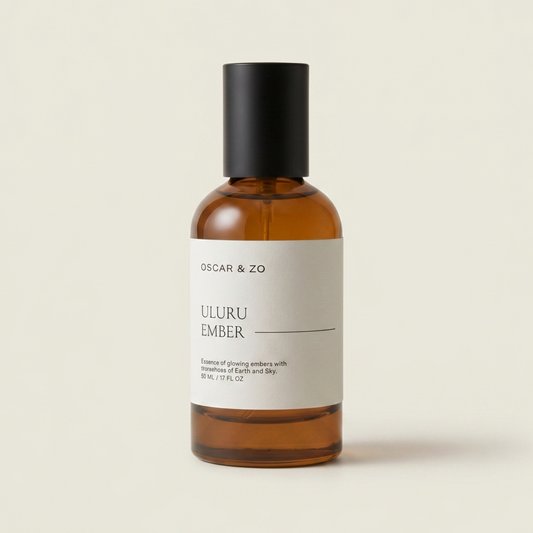
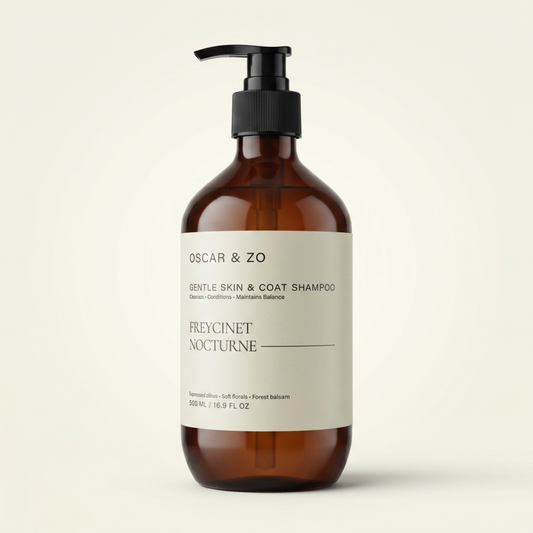
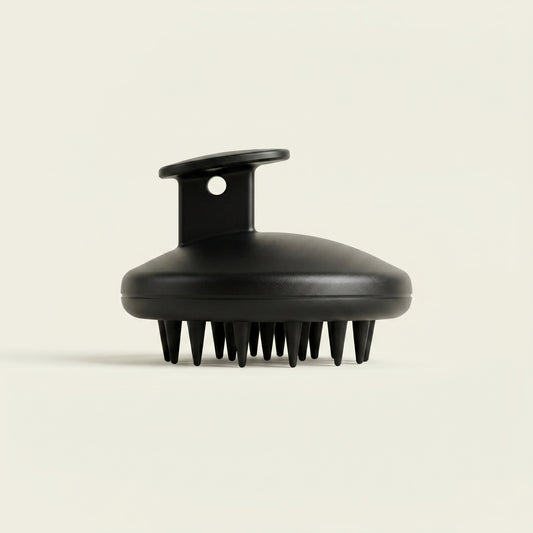
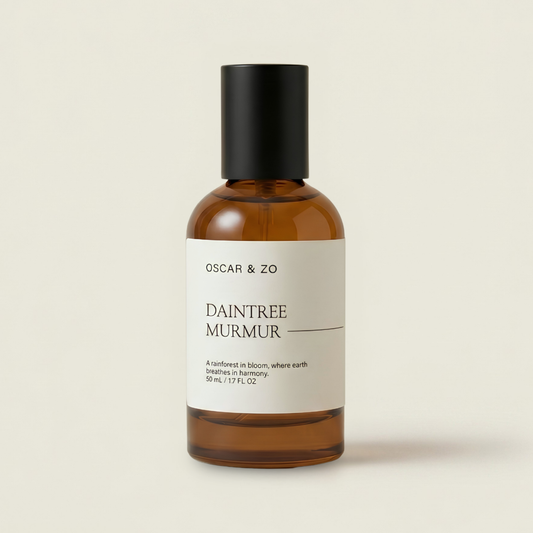
Oscar & Zo supports thoughtful at-home grooming with essentials for your dog’s care routine. A gentle bath begins with Skin & Coat Shampoo, followed by patient towel-drying or a gradual introduction to a dog-specific dryer. Grooming Tools can help with practical coat care, while Ritual Sets bring selected grooming essentials together. Pet Fragrance is an optional finishing touch once your dog’s coat is dry, not a substitute for thorough drying.
Choose the drying method that suits your dog’s coat, comfort and the weather, then keep each step calm and unhurried. If you’d like guidance on making bath time a considered part of your routine, contact Oscar & Zo.
Make the next bath feel more familiar
Each bath is a chance to notice what helps your dog feel settled. Keep the routine gentle and adjust it to their coat, comfort and response. Familiar steps can make drying a calmer part of everyday care. The best way to dry a dog after a bath isn’t one fixed routine, but an approach that suits your dog.
For care around bath time, Oscar & Zo brings together Skin & Coat Shampoo, Pet Fragrance and Ritual Sets. Choose the essentials that suit your routine, and leave out anything your dog doesn’t need. Pet Fragrance is a finishing touch, not a substitute for a fully dried coat.
If you’d like to explore thoughtful grooming essentials for your dog’s routine, contact Oscar & Zo. Small, considered steps can make the next bath feel easier for you both.
Frequently Asked Questions
What is the best step-by-step way to dry a dog after a bath?
Prepare your drying area before bath time ends, with fresh towels and any suitable dryer ready. Once your dog is out, choose the method that fits their coat and comfort. Keep the routine steady and allow a quiet space to settle afterwards. A familiar mat or bed can help your dog relax while you put wet towels aside and tidy the room.
How do you towel-dry a dog effectively without irritating its skin?
Choose a clean towel with a soft surface, and replace it if it becomes damp or gritty. Pay particular attention to areas where sand or dirt may remain after an outdoor adventure, such as the paws and lower legs. If your dog has a tender or irritated area, avoid rubbing it and ask your veterinarian how best to manage bathing and drying.
Are dog hair dryers or human hair dryers safe, and what temperature and distance should you use?
A dog-specific dryer is preferable to a human hairdryer, whose heat can burn a dog’s skin. Use airflow without heat, keep the nozzle a couple of inches from the coat, and keep it moving. Before switching it on, inspect the cord and plug, and keep electrical equipment away from wet surfaces. If the dryer can’t run without heat, use towels.
How do you dry a dog that is afraid of the dryer?
Use towels rather than insisting on a dryer if your dog is frightened. Avoid crate dryers, as being enclosed with a running dryer may add stress. Keep the drying area open and let your dog move away. A second person can calmly offer reassurance while you finish with a towel. If fear appears suddenly or comes with signs of pain, speak with your veterinarian.
How long does it take for different dog coat types to dry?
Drying time varies from coat to coat. A clipped coat, dense undercoat and long, full coat hold different amounts of water, while room humidity also affects how quickly moisture leaves the fur. Bathing technique and how thoroughly you rinsed the coat can influence drying too. Judge progress by the coat’s texture and depth, not a set time.
What are the risks of leaving a dog’s coat damp, including skin infections and matting?
Moisture trapped beneath fur can contribute to tangles and matting, while a damp coat may create conditions associated with skin irritation or infection. After drying, look for changes such as persistent redness, scabs, sores or unusual discomfort. These signs don’t identify a cause on their own. If you notice a concerning change, contact your veterinarian for advice rather than applying a grooming product to the area.
How should you dry a dog in hot or humid Australian weather?
In humid conditions, avoid drying your dog in a steamy bathroom with the door closed. Choose a comfortable indoor space with moving air, and use a vent fan or dehumidifier to reduce moisture in the room. On hot days, keep the drying area out of direct sun. Let your dog settle indoors afterwards rather than leaving them outside to dry.