


Dog Shampoo Shelf Life and Signs It May Have Expired

Yes, dog shampoos can expire, and whether dog shampoos expire matters because an old formula may become less effective or irritate your dog’s skin. Most dog shampoos have an approximate shelf life of 2-3 years from manufacture, while the packaging may give a shorter period after opening, such as 12M. The label is the best place to start.
A bottle can look familiar on the bath shelf and still be past its useful life. Changes in smell or colour can offer clues, but they don’t tell the whole story. A foul or rancid smell is a reason to discard it, and persistent changes in texture deserve attention.
This guide explains what affects shampoo shelf life, how expired or deteriorated shampoo may affect your dog, and how to store a bottle carefully. You’ll also learn what to do if your dog shows discomfort after a bath, helping keep grooming a calm, comfortable part of your routine.
Key Takeaways
- Use the bottle’s date or period-after-opening label to guide when to replace shampoo, rather than relying on appearance alone.
- Heat, sunlight and poor storage can affect a shampoo’s condition, so keep the bottle somewhere cool and dry.
- Notice changes in smell, texture or how your dog’s skin feels after a bath. A foul or rancid smell is a reason to discard the shampoo.
- Close the cap and spout after each use to help limit air exposure and contamination.
- If your dog develops irritation or discomfort after bathing, stop using the shampoo and speak with your veterinarian.
Does Dog Shampoo Expire?
Yes, dog shampoos do expire. Check the label’s use-by date or period-after-opening symbol to know when to replace a bottle.
Reading expiry and opening labels
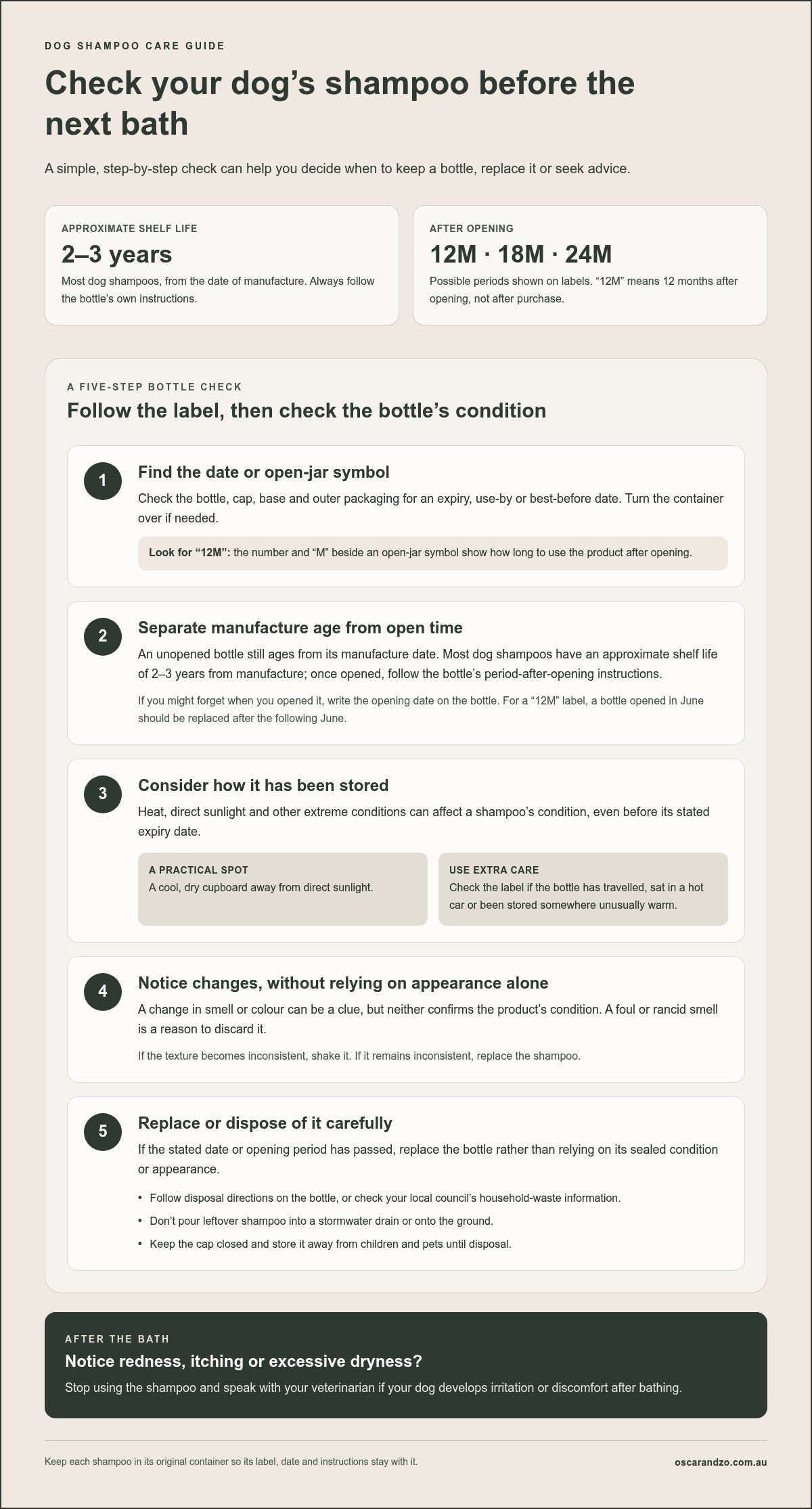
An expiry date gives a date to follow, while a period-after-opening symbol tells you how long to use a product after opening. Look for an open-jar icon marked “12M”, which means 12 months after opening. Some shampoo containers state 18 or 24 months after opening. These details matter because opening a bottle starts a different use period from its manufacture date.
Write the opening date on the bottle if you might forget it. For example, a bottle marked “12M” opened in June should be replaced after the following June. Follow the label if it gives a shorter period or a specific use-by date.
Opened and unopened shampoo lifespan
An unopened bottle has not been exposed to repeated opening, but it still ages from its manufacture date. Most dog shampoos have an approximate shelf life of 2-3 years from manufacture. Once opened, follow the bottle’s period-after-opening label, which may specify 12, 18 or 24 months.
An unopened bottle may have more of its shelf life remaining, but it isn’t usable indefinitely. Check the package date, then consider when you opened it. If either period has passed, replace the bottle rather than relying on its sealed condition.
Checking expiry and best-before dates
Check the bottle, cap, base and outer packaging for an expiry date, use-by date or best-before date. Manufacturers may print dates in different places, so turn the container over and inspect its label carefully. If there’s a period-after-opening symbol, note the number and “M” beside it. “12M” means 12 months after opening, not 12 months after purchase.
If you can’t find a date or opening symbol, contact the manufacturer for guidance. Don’t estimate a bottle’s age from its appearance alone. A change in smell or colour can be a clue, but neither confirms the product’s condition.
Disposing of expired pet shampoo
In Australia, discard dog shampoo that has passed its expiry date rather than using it. Check the bottle for disposal directions and follow them. If there are none, consult your local council’s household-waste information for the appropriate disposal method.
Keep the cap closed while setting the bottle aside, and store it away from children and pets until disposal. Don’t pour leftover shampoo into a stormwater drain or onto the ground. If the bottle is leaking, contain it in a sealed bag while arranging disposal according to the label or local council guidance.
What can affect the shelf life of shampoo?
Dog shampoo shelf life depends on its formula, preservatives and storage conditions. Natural, medicated and flea shampoos don’t share a universal expiry period, so use each product’s label as your guide.
Storage conditions and shelf life
Storage conditions can shorten a shampoo’s usable life, even before its stated expiry date. Heat, direct sunlight and other extreme conditions can affect the formula, so keep the bottle in a cool, dry place away from a sunny window.
A bottle left on a warm windowsill, for example, faces different conditions from one stored in a shaded cupboard. Close the cap after use, and don’t leave the bottle where temperatures change sharply. These small steps help protect the shampoo between baths.
Typical dog shampoo lifespan
Most dog shampoos have an approximate shelf life of 2-3 years from the date of manufacture. This is a general estimate, not a substitute for the product’s own expiry or opening instructions.
Brand, ingredients and preservatives all affect how long a formula remains usable. Two bottles bought together may have different dates or directions, so check each container individually, especially if you keep more than one shampoo at home.
Ingredients and preservatives vary between products, which affects the formula. A natural label alone doesn’t determine a shampoo’s expiry, and medicated or flea shampoos don’t automatically share a set lifespan. Follow the date and storage directions on that specific container.
Storage matters after opening, too. Each use exposes the container to air and handling, so close the cap and spout tightly after bathing. Don’t leave the lid open while washing your dog or place the bottle beside a heater.
In an Australian home, a cool, dry cupboard away from direct sunlight is a practical storage spot. A bathroom shelf exposed to sun or a laundry near a heat source may be less suitable. Choose a steady, shaded place instead.
Check the label if the bottle has travelled, sat in a hot car or been stored somewhere unusually warm. Extreme conditions can cause shampoo to deteriorate before its stated date. If its texture becomes inconsistent, shake it. If it remains inconsistent, replace it.
Use the printed expiry date and any period-after-opening directions alongside the bottle’s storage history. A bottle kept in a cool cupboard still needs replacing when its stated period has passed. One exposed to prolonged heat may need closer attention, even if its date appears current.
Keep shampoo in its original container so the label’s instructions and date information stay with it. Decanting can separate the product from that context. If you do transfer it, record the product name and opening date on the new container, then store it closed in a shaded, dry place.
Effects of using expired shampoo
Expired dog shampoo may not work as intended because its active ingredients can become less effective over time. A product that no longer cleans consistently may leave your dog’s coat feeling different after a bath. Changes in the formula can also contribute to skin irritation, particularly if the shampoo has deteriorated or become contaminated.
Possible skin reactions
Redness, itching and excessive dryness after bathing can signal an adverse reaction. These symptoms may be associated with deteriorated or contaminated shampoo, but they don’t identify the cause by themselves. If your dog starts scratching after a bath with an older bottle, for example, stop using that shampoo.
Rinse your dog’s coat thoroughly with clean water if shampoo remains on the skin. Don’t apply another grooming product to cover the discomfort. If irritation or discomfort continues after the bath, contact your veterinarian for advice. Note the product and timing of the reaction to help explain what happened.
Changes to ingredients and effectiveness
Age and extreme temperatures can affect ingredients in some dog shampoos. Some formulas using amines may break down into nitrosamines when expired or exposed to extreme temperatures. Nitrosamines are known carcinogens linked to cancer in humans and animals, and can be absorbed through a dog’s skin during bath time.
This doesn’t mean every expired shampoo contains nitrosamines. Sodium nitrite can degrade into nitrosamines under conditions such as high heat or acidic environments; sodium nitrate can also break down under specific conditions. These examples show why a formula’s ingredients and storage history matter, rather than indicating the same risk in every bottle.
When to stop using a bottle
Don’t use shampoo that has passed its expiry date, smells foul or rancid, or remains inconsistent after shaking. These signs can point to deterioration, while contamination may not always be visible. A normal smell or colour doesn’t prove the formula is still suitable.
If your dog develops redness, itching or unusual dryness after a bath, stop using the shampoo and speak with your veterinarian. Keep the bottle or note its name and expiry details so you can share the relevant information. Don’t try the same product again to see whether the reaction returns.
A fresh, in-date shampoo used as directed is a more considered choice than a bottle in uncertain condition. Take particular care with products exposed to extreme temperatures, and follow the label for use and storage. If a bath is followed by skin discomfort, pause the routine and seek veterinary guidance instead of adding more products.
Proper shampoo storage
Store dog shampoo in a cool, dry place away from direct sunlight, and close it carefully after each bath. A closed cap and spout help limit exposure to air and contamination between uses.
Choose a steady storage spot, such as a shaded cupboard, rather than a sunny bathroom ledge. Direct sunlight and extreme conditions can affect shampoo before its printed date. Keep the bottle away from heaters and places that become unusually warm.
After bathing, wipe shampoo from the bottle’s outside and around the cap. Residue near the opening can make the bottle slippery and harder to close properly. Check that the spout is shut, then tighten the cap before returning it to storage.
Keep the original container and label together. The label carries the product’s directions and date information, which can be difficult to follow if shampoo is moved into an unmarked bottle. If you have several products, place each one with its label facing out for easy identification.
- Keep the bottle in a cool, dry cupboard away from direct sunlight.
- Close the cap and spout after every use.
- Wipe residue from the bottle opening before storing it.
- Keep the original label visible and readable.
Bath time can make storage less orderly. A bottle left open beside the bath, for example, may collect water around its spout or remain exposed while you wash your dog. Set it upright in a dry spot between uses, then return it to its usual cupboard when bathing is finished.
Use clean, dry hands when handling the cap and spout. If shampoo has spilled around the opening, wipe it away before closing the bottle. These steps help keep the dispensing area cleaner and make it easier to seal the container fully.
Check the storage spot the next time you reach for the shampoo. If the bottle has shifted beside a sunny window or near a heat source, move it back to a cooler, shaded place. Storage can’t restore a product that has already deteriorated, so keep following its label directions.
If you keep shampoo in a travel bag, return it to suitable storage after an outing rather than leaving it in a hot car. Before the next bath, make sure the cap and spout are closed and the label remains readable. A consistent place and simple routine make these checks easier to remember.
Do dog shampoos expire, and how long do they last?
Dog shampoos do expire, but there isn’t one lifespan for every bottle. Most have an approximate shelf life of 2-3 years from manufacture, while the formula, preservatives, storage and opening instructions affect the useful period. Treat that estimate as a starting point, then follow the directions and dates on the individual container.
To judge a bottle, consider its date, opening history and condition together. A “12M” period-after-opening symbol indicates 12 months after opening; some shampoo containers specify 18 or 24 months. These periods differ by product, so one bottle’s label can’t determine when another should be replaced.
Appearance and smell can offer clues, but neither establishes whether shampoo is safe. A bottle’s condition may not always reveal whether its contents are still suitable to use. A foul or rancid smell is a reason to discard the shampoo. If the formula looks lumpy, shake it; if it recombines, it should be okay to use, but replace it if it remains inconsistent.
Age can affect performance, too. Expired shampoo’s active ingredients may become less effective, so the product might not work as intended. A familiar appearance and smell don’t prove its ingredients remain effective. Follow the printed date and opening period instead.
Consider what happened to the bottle between baths. Shampoo exposed to extreme conditions or stored improperly can deteriorate before its stated expiry date. A bottle left in a hot car, for example, has a different storage history from one kept as directed. If the shampoo is expired, dispose of it rather than testing it on your dog.
If you’re concerned about finishing a bottle before its date, choose a smaller size or a shampoo with a longer stated shelf life. Note when you open it and keep the label available for future checks. This makes it easier to track its opening period rather than estimate from memory.
After bathing, watch for redness, itching or excessive dryness. These reactions may indicate deterioration or contamination, though they don’t confirm the cause. Stop using the shampoo if your dog shows irritation or discomfort, and consult your veterinarian. Keep the bottle’s name and date information handy when describing the bath and your dog’s response.
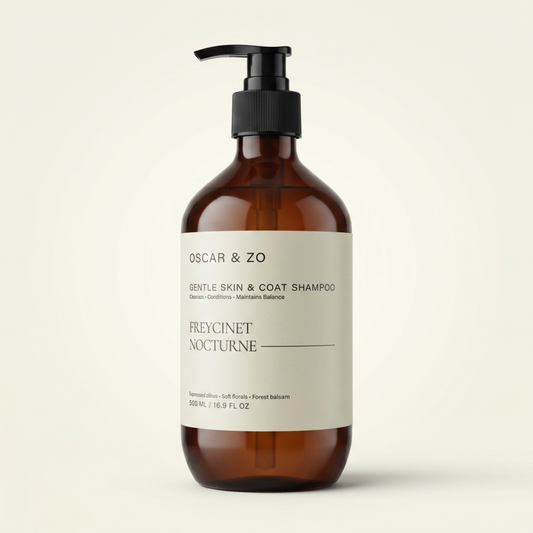
Oscar & Zo: Skin & Coat Shampoo
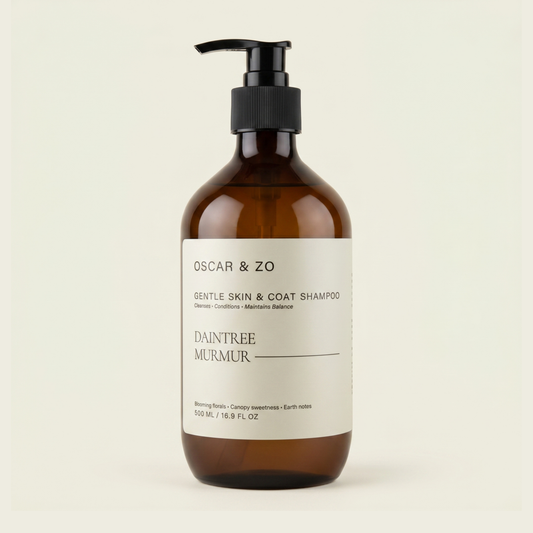
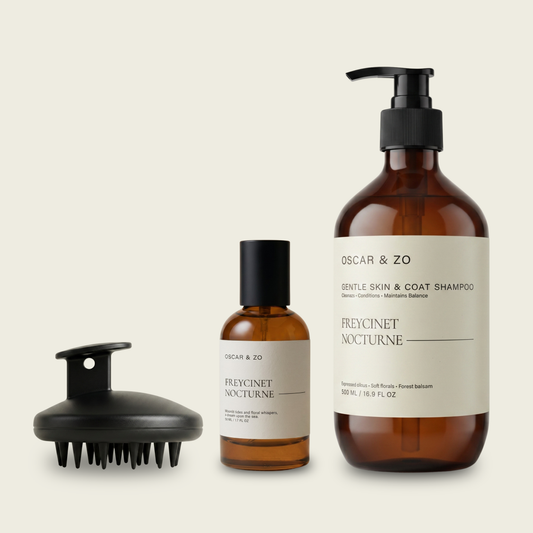
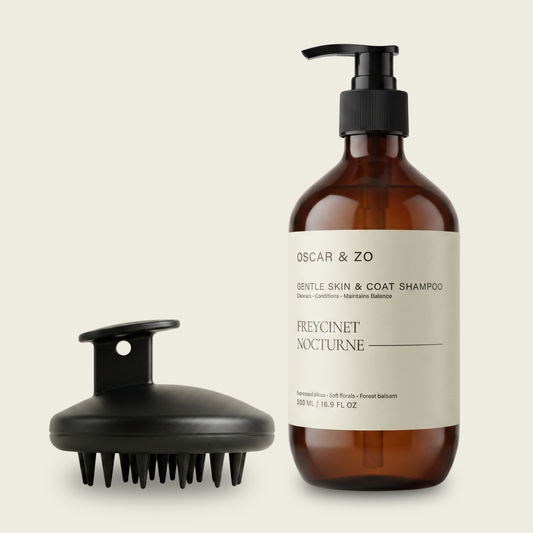
Oscar & Zo Skin & Coat Shampoo offers a fresh option for your dog’s bathing routine when an older bottle has expired or changed in condition. Choose a new shampoo for regular coat care, and follow its label for use, storage and opening guidance. Keep the bottle closed between baths and note when you first open it, so its period-after-opening instructions are easy to follow.
A calm grooming routine can be simple: prepare the shampoo, bathe your dog, then store the bottle in a cool, dry place away from direct sunlight. If your dog develops skin irritation or discomfort after bathing, stop using the product and consult your veterinarian.
You’re welcome to visit oscarandzo.com.au to explore Skin & Coat Shampoo.
Make grooming a considered routine
Knowing that dog shampoos can expire helps make bath time more intentional. Let grooming become a quiet moment to notice what your dog enjoys, prepare at an unhurried pace and build a routine that suits your household.
Each dog has their own comfort cues. A gentle approach, familiar surroundings and a little patience can make grooming feel more settled for both of you. If your dog has ongoing skin discomfort, speak with your veterinarian about appropriate care.
If you’d like to learn more about Oscar & Zo, you’re warmly invited to contact Oscar & Zo. May your next grooming moment feel calm and caring.
Frequently asked questions
How can you tell if your shampoo has gone bad?
No single look or smell can reliably establish whether shampoo has gone bad. A foul or rancid smell is a reason to discard it, but a normal appearance doesn’t confirm its condition. Consider the bottle’s history as well as its current state: note if it was left in extreme heat or has passed its labelled use period. If you’re unsure about a batch, give the manufacturer the product details and batch code.
How can you find the expiry date or period-after-opening symbol on dog shampoo?
Check the container and its packaging, then take a clear photo of any date or open-jar symbol for reference. This is useful if the bottle’s label becomes wet or starts peeling during bath time. An expiry date and a period-after-opening symbol give different timing information, so record both if present. If the carton and bottle show different details, follow the product’s directions and ask the manufacturer to clarify the label.
What does an Australian dog shampoo batch code or PAO symbol mean?
A batch code identifies a production batch, while a PAO symbol indicates the stated use period after opening. Don’t treat the code as an expiry date or try to translate it into one. If you need help identifying a bottle, provide the manufacturer with its exact product name and batch code. The PAO symbol is separate: its number and “M” indicate months counted from opening.
How can you tell if dog shampoo has gone bad?
Assess the product alongside its label and handling history, rather than relying on one visual clue. A shampoo with no obvious change may still be past its use period, while a rancid smell is a clear reason to discard it. If the product’s condition is uncertain, don’t use it for a test bath. Keep the bottle available until you’ve noted its name and batch information.
Is it safe to use expired dog shampoo on a dog?
It’s best not to use shampoo past its expiry date. A familiar-looking formula can’t show whether its ingredients remain effective or whether it has been contaminated. If the only shampoo at home is expired, postpone the bath rather than substitute human shampoo, which can cause dryness, itching or allergies in dogs. Choose an in-date product intended for dogs, and follow its directions for use.
What skin irritation or other risks can expired dog shampoo cause?
Expired shampoo may be less effective, and a deteriorated or contaminated formula may be associated with redness, itching or excessive dryness. These signs don’t prove the shampoo caused the reaction, so note when they appeared and which product was used. Stop using that bottle and consult your veterinarian if your dog shows irritation or discomfort. Share the product label and batch details during the conversation.
How should dog shampoo be stored to extend its shelf life?
Follow the storage directions on the bottle, and choose a dry cupboard rather than a ledge beside the shower where splashes may reach it. Keep the product in its original container so its label stays with it. If you have several bottles, place the one opened first at the front and newer bottles behind it. This simple arrangement makes it easier to use products in order.