


Dog grooming routine at home: a gentle step-by-step guide

What if the best dog grooming routine at home starts with a pause, not a bath? Take a moment to check your dog’s coat, comfort and mood. That can help you choose what they need today, rather than follow a fixed, salon-style schedule.
It’s understandable to feel unsure where to begin, especially if bath time has been stressful or your dog is sensitive to brushing. A gentle routine can make grooming more manageable for you both, while giving you a chance to notice changes in your dog’s skin, coat or comfort.
This guide walks you through the main steps in a practical order, from a coat check and brushing to bathing, drying and ongoing care. You’ll learn how to adapt the routine to your dog’s coat, keep each session unhurried and recognise when it’s better to pause. If grooming causes ongoing distress, you find painful matting or notice a skin concern, speak with your veterinarian or a professional groomer about a suitable next step.
Key Takeaways
- A dog grooming routine at home should suit your dog’s coat and comfort, rather than follow a fixed schedule.
- Before grooming, let your dog settle, check their coat and choose one manageable task.
- Brush gently before bathing, but don’t force out difficult mats. Use a product intended for pets, follow its label and rinse thoroughly.
- Finish bath time with gentle towel drying. Avoid heat or handling that unsettles your dog.
- Keep grooming consistent but flexible, and pause if your dog seems uncomfortable or distressed.
A dog grooming routine at home begins with comfort
A dog grooming routine at home is a calm sequence of coat and hygiene care suited to your dog. Its purpose is everyday care and comfort, not a salon-style finish. One session might focus on brushing; another might include a bath or a gentle check of the coat and skin. You don’t need to complete every task at once.
Your approach depends on your dog’s coat type and condition, how comfortable they are with handling, and their usual activities. A long or dense coat may need more regular attention to help prevent tangles, while a short coat may need less brushing. A dog who spends time outdoors may come home with debris in their coat, while another may simply benefit from a quiet check.
Grooming can include brushing, bathing and checking the coat. A general overview of dog grooming practices offers useful context, but a home routine can stay simple and responsive. Let your dog’s coat and comfort guide what you do, rather than trying to complete every task in one session.
A dog-led routine is more useful than a rigid timetable because it responds to your dog’s coat, comfort and needs in the moment. If your dog moves away, becomes tense or seems uncomfortable, pause and give them space. You can return to the task later, try a gentler approach or seek advice if you’re unsure what’s causing the discomfort.
What home grooming can include
Think of brushing, bathing and a gentle visual check as separate parts of routine care. Brushing can help you notice tangles or debris. Bathing may be useful when your dog needs cleaning. A visual check gives you a chance to look over the coat and notice anything unusual. Not every session needs to include all three. Leave nail care and other delicate tasks for dedicated guidance rather than rushing through them as part of an all-in-one session.
Set up a calm grooming space
Choose a familiar, comfortable spot with enough room to move around your dog without crowding them. Gather only the tools and products you need for the task, so you can stay focused and avoid unnecessary handling. Keep the sequence predictable: invite your dog into the space, let them settle, show them the tool, then begin gently. A clear routine can help your dog understand what’s happening, though it won’t mean every dog enjoys grooming.
Keep the first step modest. You might begin with a brief look over the coat or a few gentle brush strokes, then finish while your dog is still coping comfortably. A settled space, a clear sequence and room to pause can make grooming more manageable for both of you.
Prepare your dog and coat before grooming at home
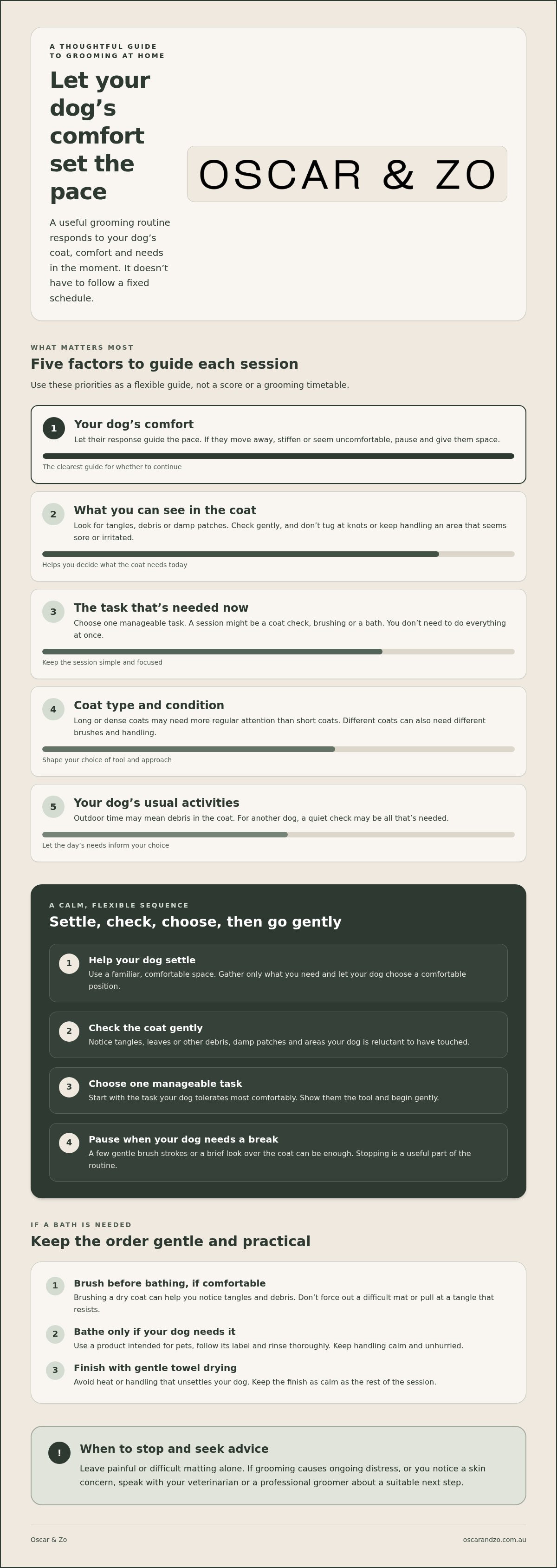
A little preparation can make the next step clearer and more comfortable. Before you reach for a brush or turn on the tap, follow a simple sequence: help your dog settle, look over their coat, then choose one manageable task. This gives you a chance to notice what the coat needs and how your dog is responding before grooming begins.
Keep your movements unhurried. Let your dog stand, sit or lie in a position that seems comfortable, and avoid pulling them into place. If they shift away, pause rather than holding them still. Calm handling won’t guarantee that every dog enjoys grooming, but it can help you notice when they’re ready to continue and when they need a break.
A quick coat check helps you choose the next grooming step according to what you can see and how your dog feels. This is a practical observation, not a veterinary assessment. General guidance from the American Humane Society's pet grooming advice also discusses brushing, bathing and the discomfort that can come with matted fur.
Check the coat and your dog’s comfort
Look gently over the coat before brushing or bathing. Notice tangles, leaves or other debris, damp patches and areas your dog seems reluctant to have touched. If your dog is comfortable, part the coat lightly with your fingers to see the skin beneath. Don’t tug at knots or keep handling a spot that appears sore, irritated or difficult to reach.
Pay attention to your dog as well as their coat. Stiffening, moving away or repeatedly turning towards your hand can be a cue to stop and reassess. If your dog seems distressed, or an area appears painful or irritated, leave it alone and speak with your veterinarian. Difficult matting is not something to force through with a brush.
Choose an appropriate starting point
Start with the task your dog tolerates most comfortably, rather than insisting that every session follows the same order. Your dog may be relaxed with a gentle visual check but unsure about a brush, or comfortable with brushing but unsettled by water. Begin where handling feels easiest, and pause if their response changes.
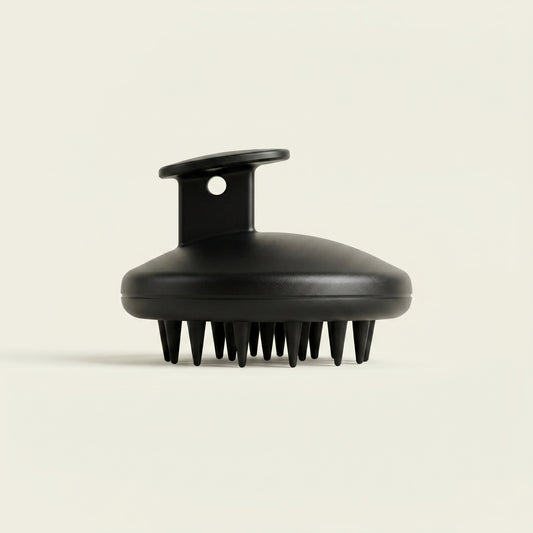
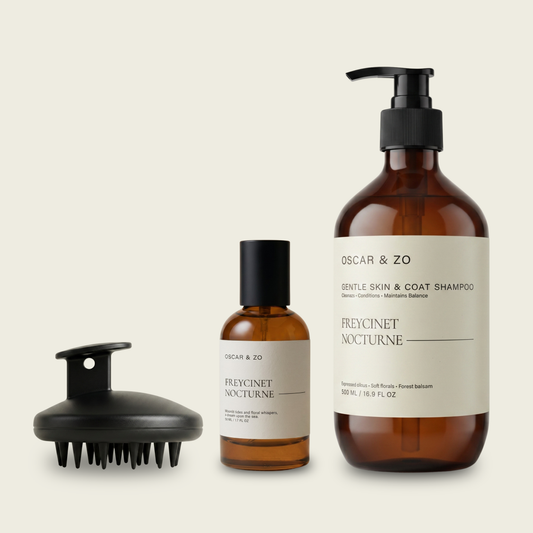
Coat type can affect which brush and brushing approach are suitable. A smooth coat, a long coat and a dense undercoat may each need different tools and handling, so don’t assume one brush or technique suits every dog. Choose only the essentials for the task you’ve selected. Oscar & Zo’s grooming tools may help you find tools for your routine, while the guide “Pet grooming set: A guide for Australian pet parents” can help you think through what belongs in a practical set.
Preparation doesn’t need to become another long grooming task. Settle, check, choose, then let your dog’s response guide you. If they’re comfortable, move on gently; if not, stopping is a useful part of the routine too.
Brush and bathe your dog in a gentle, practical order
For many dogs, brushing before a bath is a useful place to begin. It lets you notice tangles and debris while the coat is dry, so you can decide whether brushing is comfortable or whether an area needs a gentler approach. It isn’t a reason to work through every knot. If a tangle resists, stop rather than pulling at it.
Bathing can follow if your dog needs it and is coping comfortably. Use a product intended for pets, apply it according to its label and rinse the coat thoroughly. Follow the shampoo’s own directions, because there isn’t one universal set of bathing instructions for every product and dog.
Brush slowly and work within your dog’s tolerance
Choose a brush suited to your dog’s coat, then use gentle strokes and check how your dog responds as you go. Work carefully around sensitive areas, such as the belly or behind the ears, and avoid brushing over skin that looks irritated. If the brush catches, pulls or seems to cause discomfort, pause. Don’t make your dog stay in place to finish.
Some tangles can be eased with patient, gentle brushing, but severe or close matting may be painful and difficult to manage safely at home. Don’t try to cut mats out with scissors, as it can be hard to tell where the skin lies beneath the coat. If matting is extensive or close to the skin, seek help from a professional groomer or speak with your veterinarian.
Make bath time simple and thorough
Keep the bathing area and handling comfortable for your dog. Use water at a comfortable temperature, move calmly and take care to keep shampoo out of the eyes and ears. If your dog becomes worried, pause and reassess rather than rushing to complete the bath. A partial wash or a break may be more comfortable than insisting on a full routine.
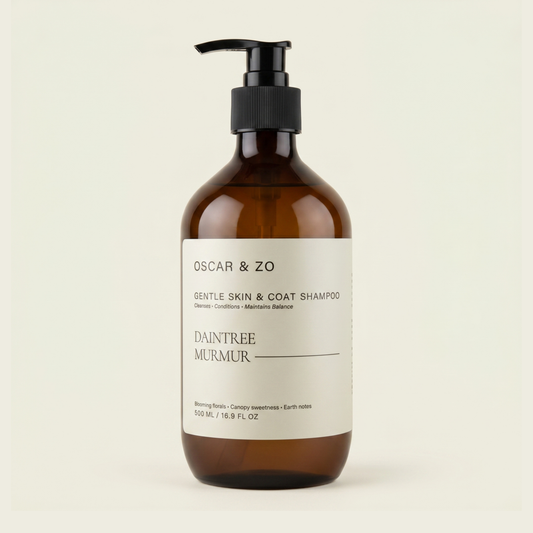
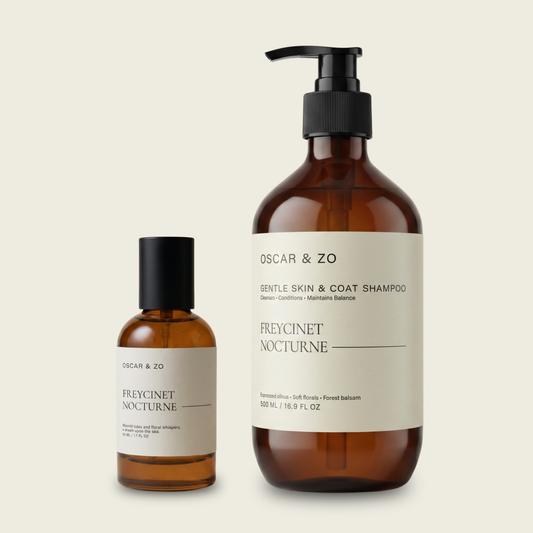
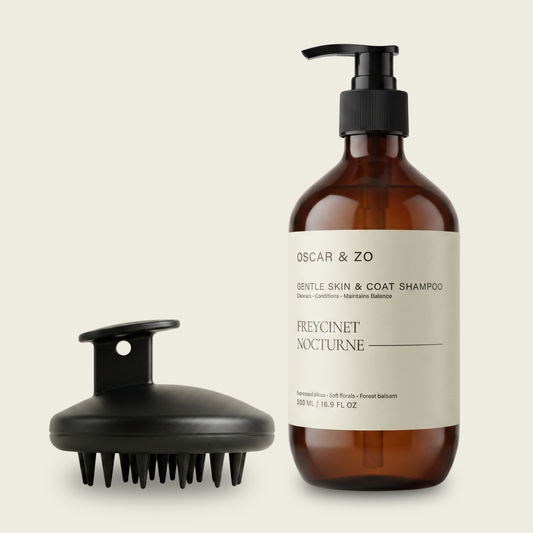
Oscar & Zo Skin & Coat Shampoo is thoughtfully crafted for sensitive skin and coats. If you choose it for bath time, follow the product label and rinse thoroughly. For any shampoo, don’t assume how much to use or how to apply it. Follow the directions on that specific product. If you’re unsure which type of shampoo suits your dog, ask your veterinarian for guidance.
A calm dog grooming routine at home doesn’t have to include a bath every time. Brushing and bathing are separate parts of coat care, and your dog’s comfort can help you decide whether to continue, pause or leave the next task for another session. Finish the wash gently, without turning an everyday care moment into a test of endurance.
Dry, check and finish the grooming session calmly
After a bath, gentle drying helps bring the grooming session to a comfortable close. There’s no single drying method or timing that suits every dog and coat, so pay attention to how your dog responds and what their coat needs. A towel may be enough for one dog, while another may need a different approach.
Dry without making the experience stressful
Use a clean towel to gently blot the coat rather than rubbing vigorously. Take your time around areas that hold moisture, such as beneath the collar or between the legs, and only dry as far as your dog comfortably allows. If your dog wriggles, turns away or seems tense, pause and give them room to settle.
If you choose to use a dryer, consider its noise and airflow from your dog’s point of view. Introduce it gently and watch their response. Stop if the sound or sensation unsettles them. Avoid using heat or holding the dryer close to the coat, and don’t insist on a dryer if your dog is uncomfortable. A calm towel-dry may be a better fit.
Coat type and your dog’s tolerance can affect what feels practical. Rather than aiming for a particular finish, choose a gentle method that lets you dry them without rushing or causing distress. If you’re unsure how to manage a particular coat, a professional groomer or your veterinarian can offer guidance suited to your dog.
Finish with a gentle check-in
Once your dog is dry enough to settle comfortably, take a quiet look over the coat. Notice any damp patches, tangles that have become easier to see, or signs your dog has had enough. This isn’t a reason to restart grooming straight away. If your dog seems ready for a rest, let the session end there.
Keep sensitive areas and nail trimming outside this general bath routine unless you have suitable guidance and your dog is comfortable with the handling. These tasks can require a different approach, and they don’t need to be added simply to make one session feel complete.
Let your dog’s response help shape the next session. If they settle soon afterwards, remember what worked; if they remain unsettled, consider making the next session shorter or simpler. A dog grooming routine at home can end with a calm word, a quiet moment together or a reward your dog enjoys. Comfortable participation matters more than completing every task at once.
This gentle finish reflects a broader mindful approach to everyday care, similar to the ideas explored in “Mindful pet care: gentle everyday care for dogs and cats”. For grooming essentials to support your routine, explore Oscar & Zo’s grooming tools.
Build a dog grooming routine at home that suits your dog
A dog grooming routine at home works best when it fits your dog, not an idealised schedule. Coat type and condition influence which tasks are useful and how often they may be needed. A long coat may need regular attention to help keep tangles from building up, while a short coat may call for a lighter approach. Your dog’s comfort matters just as much as their coat.
Instead of copying another dog’s routine, notice what changes from one session to the next. Is brushing still comfortable? Are there new tangles, or does your dog seem more sensitive about being touched? These observations can help you choose a manageable task without treating a change in coat or behaviour as a diagnosis. If you’re concerned about what you notice, ask your veterinarian for advice.
Adapt the routine to coat and comfort
Think of grooming as a flexible rhythm rather than a fixed list to complete. You might brush when the coat needs attention, bathe when your dog needs cleaning, or keep a session to a brief check if that feels more comfortable. Make small adjustments based on your dog’s response. If they’re settled, continue gently; if they’re restless, shorten the session or leave the next task for another time.
Consistency doesn’t require grooming on the same day or at the same interval as another household. It means returning to suitable care in a way you can maintain, while staying attentive to your dog. A simple note of which tasks were comfortable and where you noticed tangles can help you recognise patterns without turning grooming into a strict timetable.
Know when home grooming is not enough
Pause if your dog shows distress, pain or strong resistance. Don’t hold them in place or press on with brushing when it catches or seems uncomfortable. If there’s a wound, an area of irritated skin or another health concern, avoid working over it and seek advice from your veterinarian. A vet can help assess concerns about your dog’s skin or comfort.
Difficult matting, especially close to the skin, can be hard to manage safely at home. If you’re unsure how to handle it, or the task is beyond your confidence, stop and seek help from a professional groomer. Choosing support is a thoughtful part of caring for your dog, not a failure to complete the routine yourself.
Over time, a gentle approach can help you understand which grooming moments suit your dog and when they need a pause. Let coat condition, comfort and your own confidence guide each session. For bath time, explore Oscar & Zo Skin & Coat Shampoo, thoughtfully crafted for sensitive skin and coats, as one considered part of your dog’s grooming routine.
Let comfort guide your next grooming session
Let each grooming session teach you what feels manageable for your dog. You may find that a brief, familiar ritual is easier to return to than trying to do everything at once. Over time, these small moments can help you make thoughtful choices about care while keeping your dog’s comfort at the centre.
A dog grooming routine at home doesn’t need to look the same every time. Stay attentive to your dog, adapt as their coat and needs change, and pause when you’re unsure. If a concern arises, your veterinarian or a professional groomer can help you decide on a suitable next step.
For bath time, Oscar & Zo Skin & Coat Shampoo is thoughtfully crafted for sensitive skin and coats. Oscar & Zo is an Australian-owned, vet-founded pet care and wellness brand. Explore Oscar & Zo Skin & Coat Shampoo as you shape a considered grooming ritual for your dog.
Keep it gentle, keep it flexible, and let your dog’s comfort set the pace.
Frequently asked questions
How often should I groom my dog at home?
How often you groom depends on your dog’s coat, lifestyle and comfort, so there isn’t one interval that suits every dog. A dog who regularly explores bushy or sandy areas may benefit from more frequent coat checks than one who spends most of their time indoors. Use your dog’s coat condition to guide your dog grooming routine at home, and adjust if tangles or debris build up between sessions.
How often should I bathe my dog?
There’s no universal bathing interval for every dog. Consider how dirty your dog gets, their coat and whether bathing seems comfortable for them. A muddy walk may call for a rinse or clean-up, while a full bath may not be needed each time you brush. Use a shampoo made for pets and follow its label. If your dog has ongoing skin concerns or you’re unsure about bathing frequency, ask your veterinarian.
Can I brush my dog before a bath?
Yes, brushing before a bath can help you spot loose debris and tangles while the coat is dry. It also gives you a chance to see whether your dog is comfortable with brushing before adding water to the routine. Choose an approach suited to their coat, and stop if the brush catches or your dog reacts uncomfortably. Don’t use bath time as a reason to force through a knot.
What should I do if my dog has a mat in its coat?
Don’t pull hard at a mat or cut it out with scissors, as the skin can sit close beneath the tangled hair. If it’s small and your dog is relaxed, you may be able to gently loosen it with your fingers, stopping if it tugs or causes discomfort. For a tight, extensive or skin-close mat, seek help from a professional groomer. Ask your veterinarian if the area looks sore or irritated.
How can I help my dog feel more comfortable with grooming?
Let your dog become familiar with the grooming setting and tools without immediately starting a full session. For example, allow them to sniff a brush, then reward calm interest before putting it away. Later, you can try a gentle touch with the brush and stop while your dog is still settled. If fear or resistance continues, ask your veterinarian or a qualified behaviour professional for individual guidance.
Should I trim my dog’s nails as part of a home grooming routine?
Nail trimming can be part of ongoing care, but it doesn’t need to be added to every coat-grooming session. If you haven’t been shown how to trim safely, ask your veterinarian or a professional groomer to demonstrate an appropriate approach for your dog. Stop if your dog struggles or you’re unsure where to trim. A separate, unhurried session can be more manageable than combining unfamiliar tasks.
When should I ask a veterinarian about my dog’s skin or coat?
Contact your veterinarian if you notice a wound, persistent redness, unusual coat changes, repeated scratching or signs that touching an area causes pain. A grooming check can help you notice something that warrants attention, but it can’t identify the cause. Avoid applying grooming products to broken or irritated skin unless your vet advises you to. If the concern appears suddenly or is getting worse, seek veterinary guidance promptly.